Oru Sutton
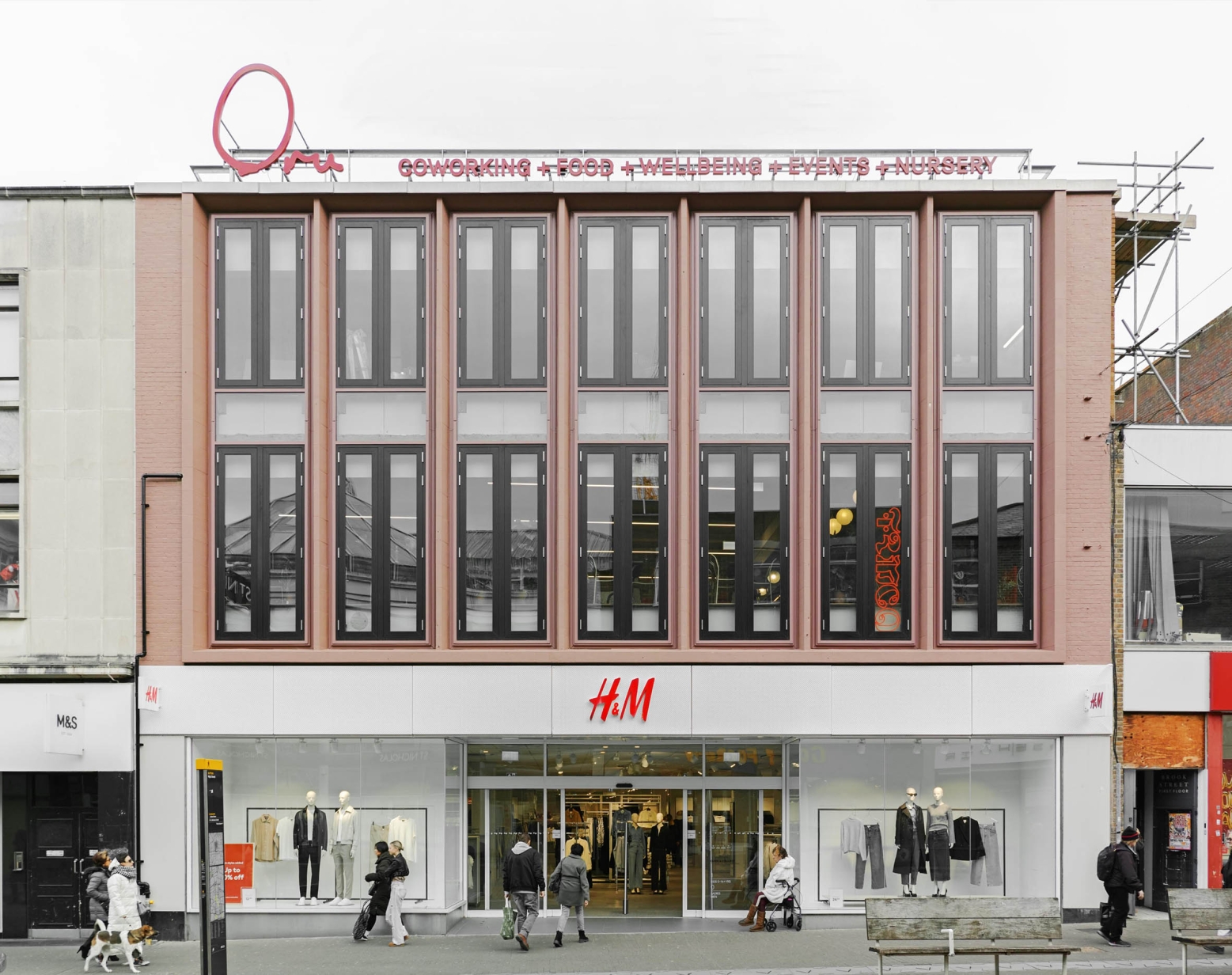
Following an open competition, Oru Space were selected by Sutton Council as the delivery partner to refurbish and operate the upper floors of an old BHS store on Sutton High Street. Oru Sutton is the first of the Council’s groundbreaking regeneration schemes to open its doors to the public on Sutton high street bringing together spaces for collaborative business working, wellbeing, leisure and hospitality.
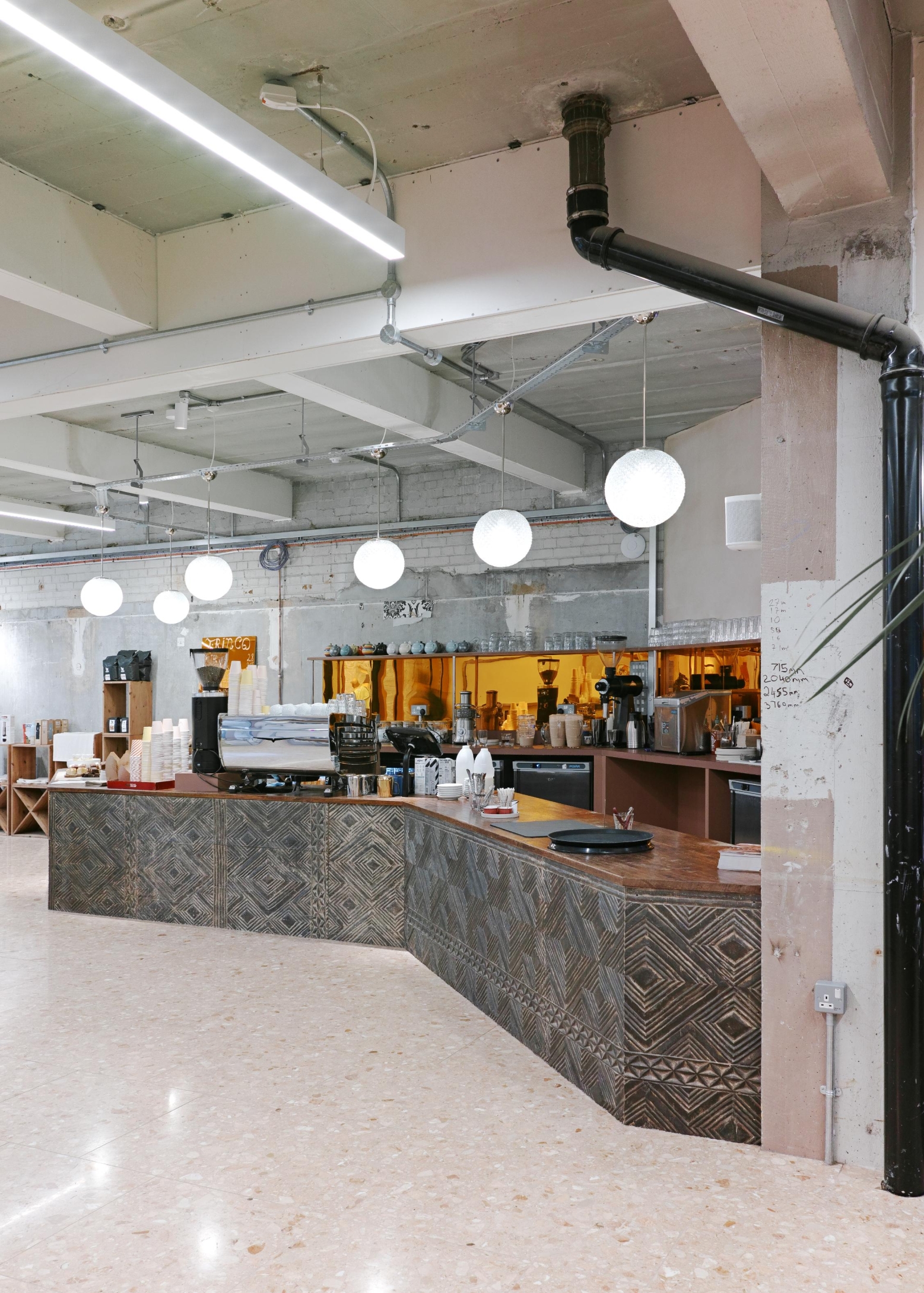
t-sa worked with Sam Chisholm Studio to design and deliver the complete overhaul across four floors of accommodation, providing coworking space, yoga and fitness studios, nursery, event space, retail units, a café restaurant and a large rooftop community garden.
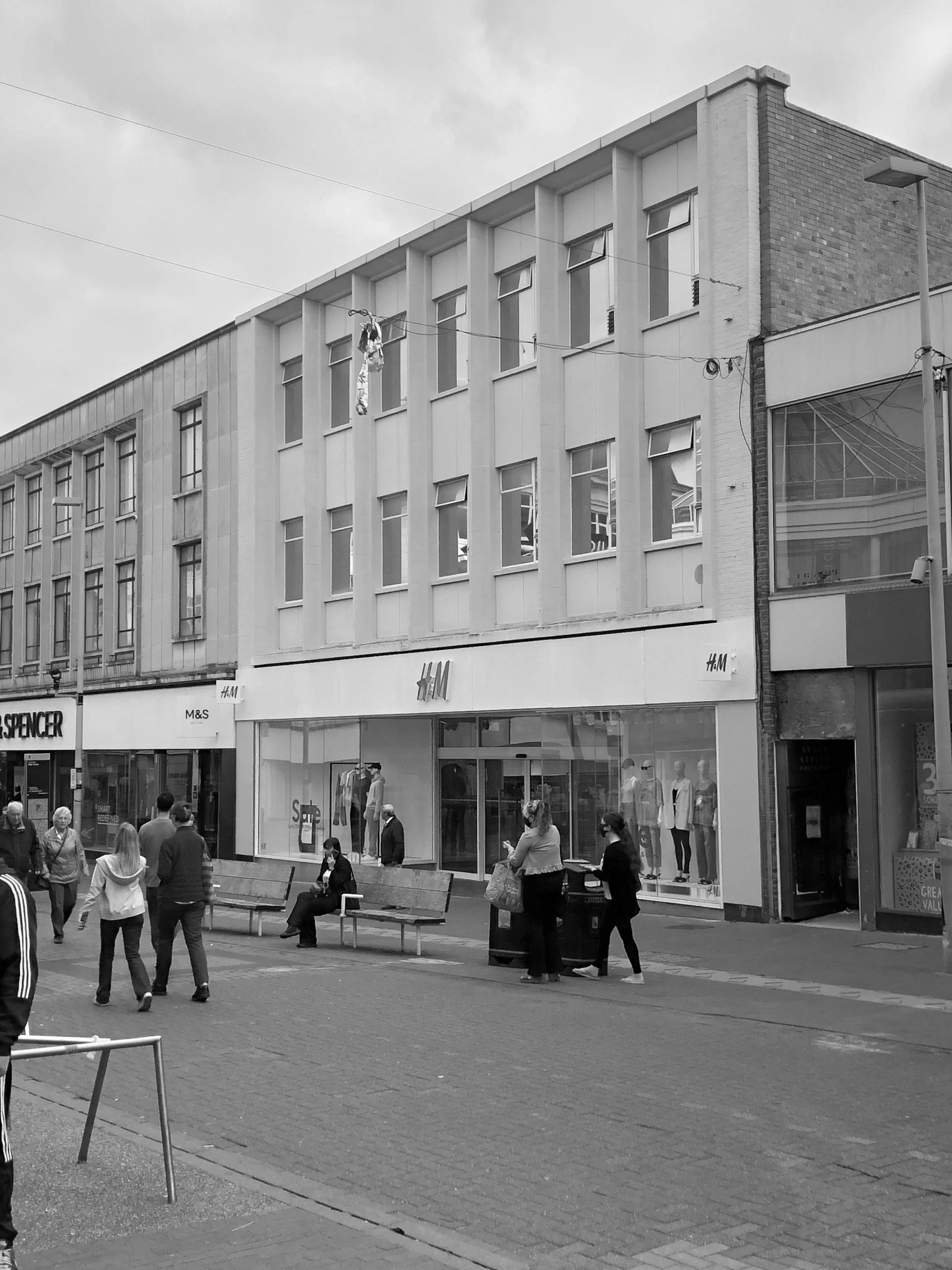
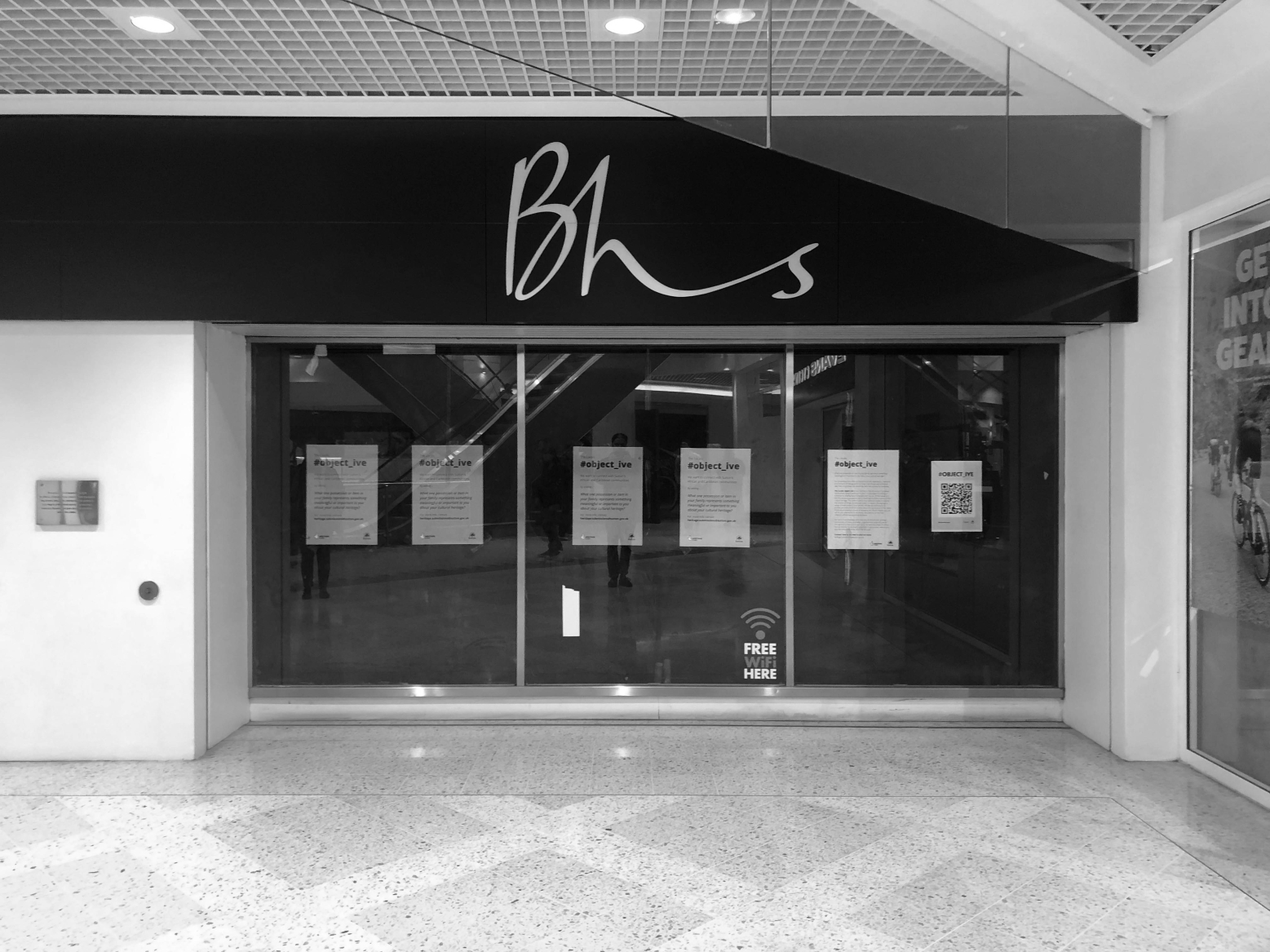
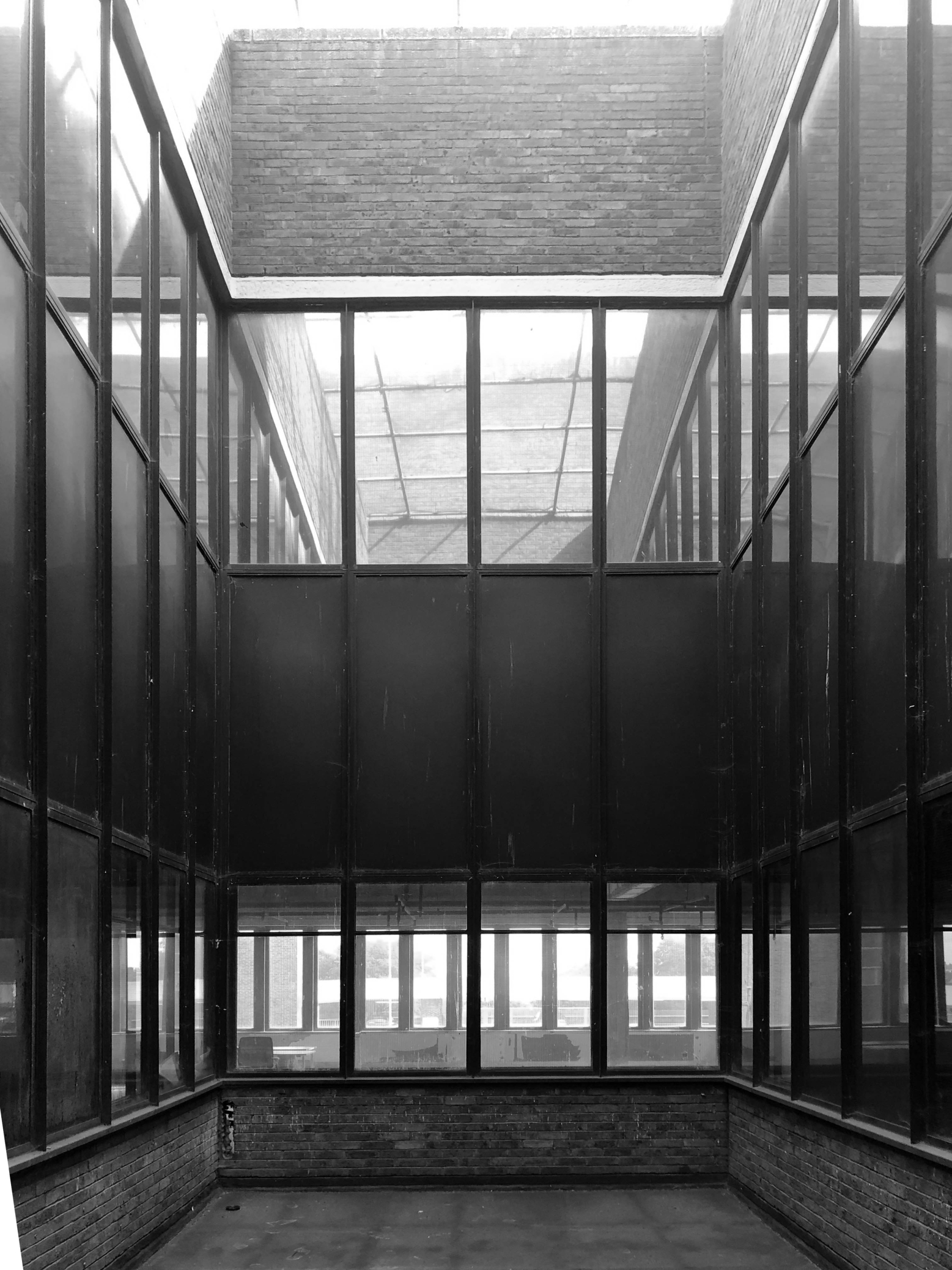
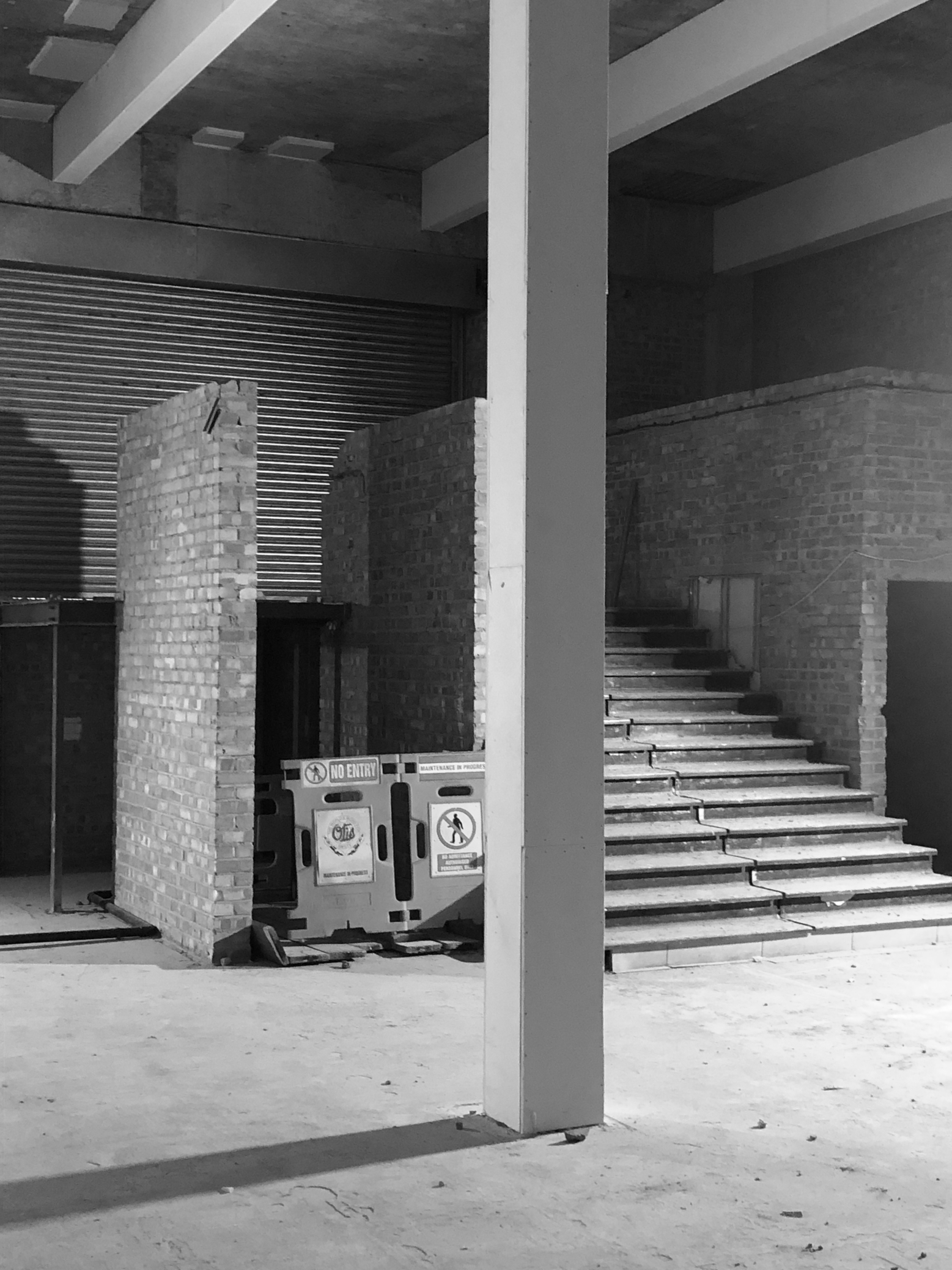
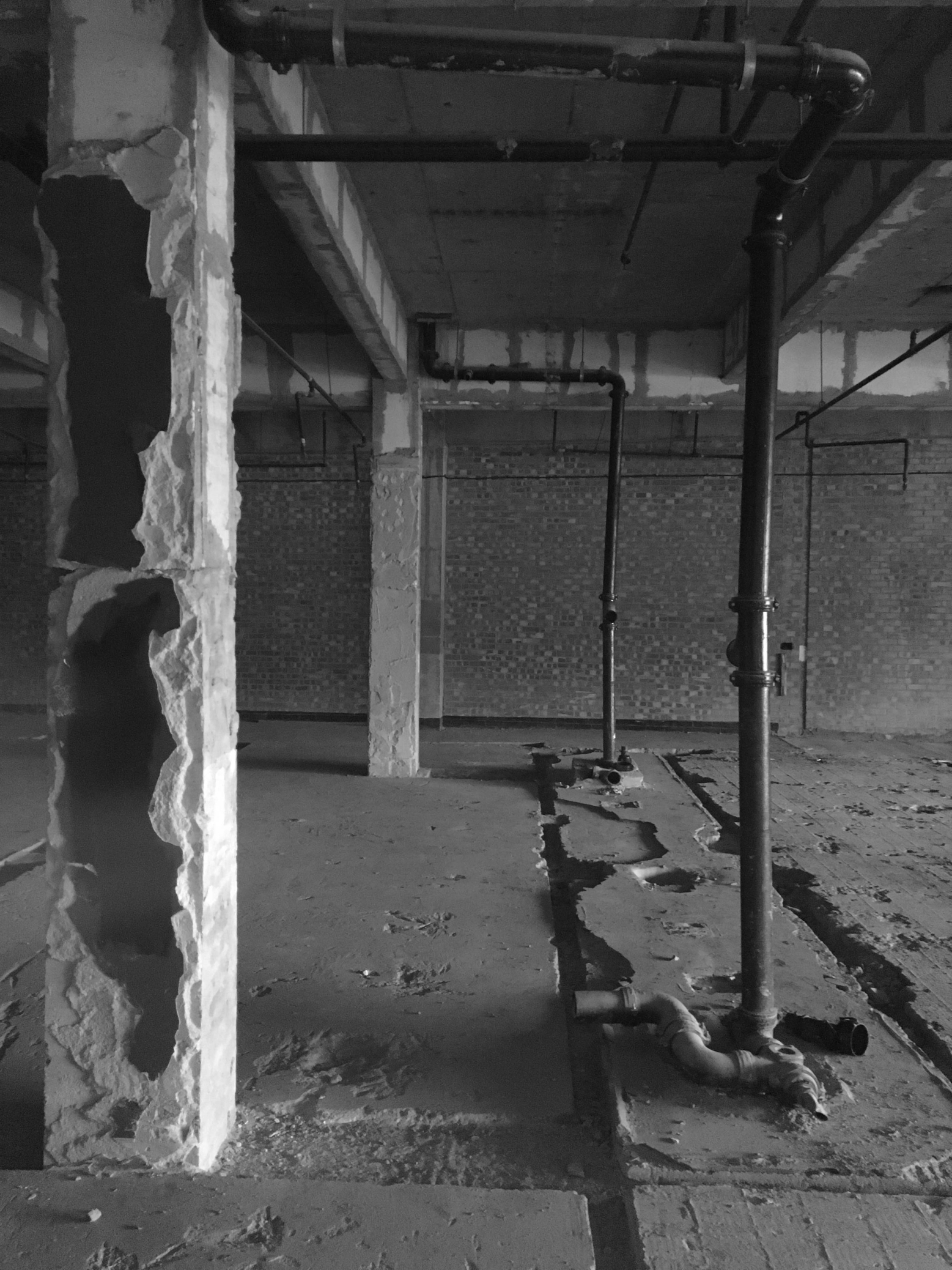
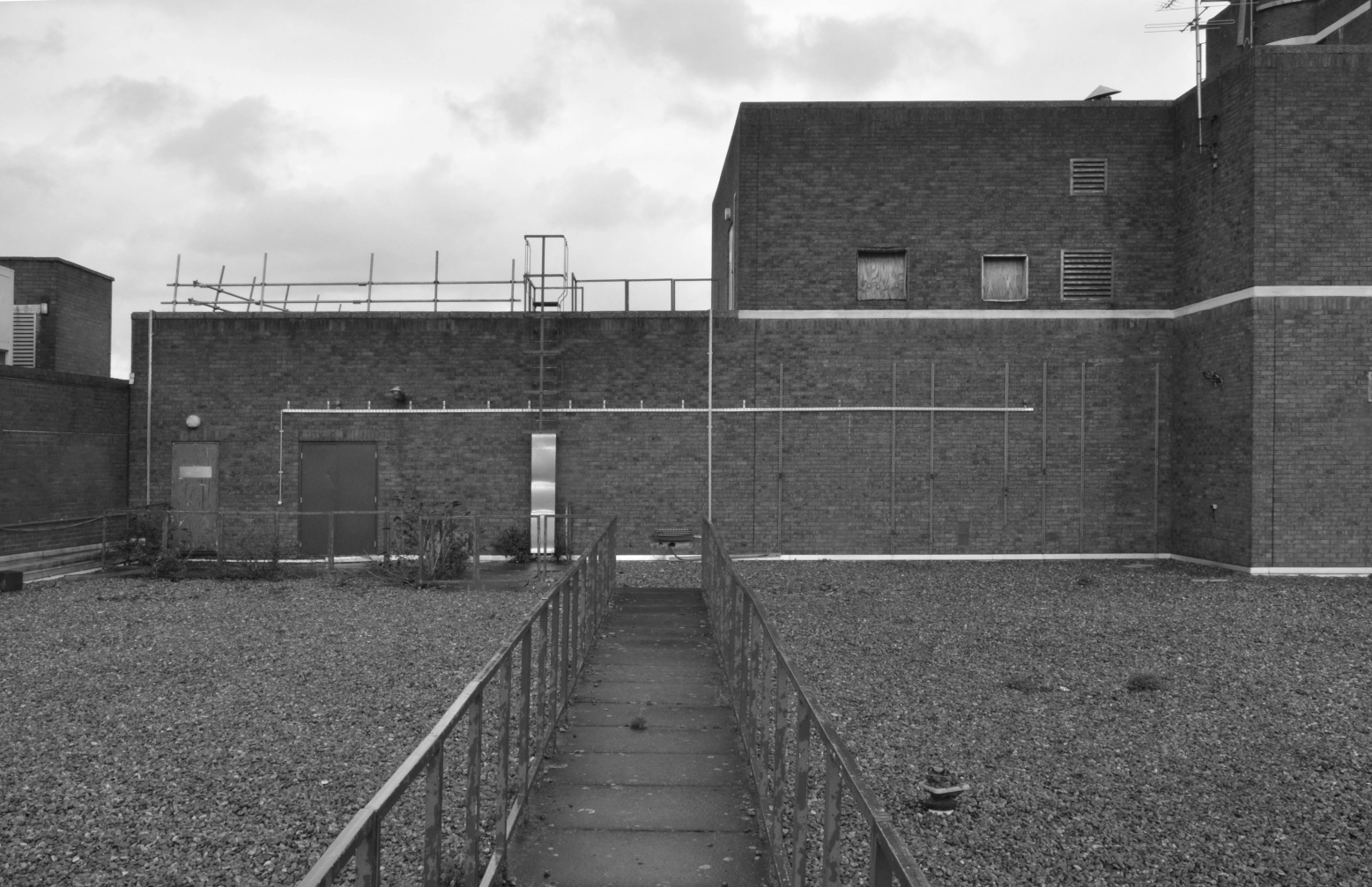
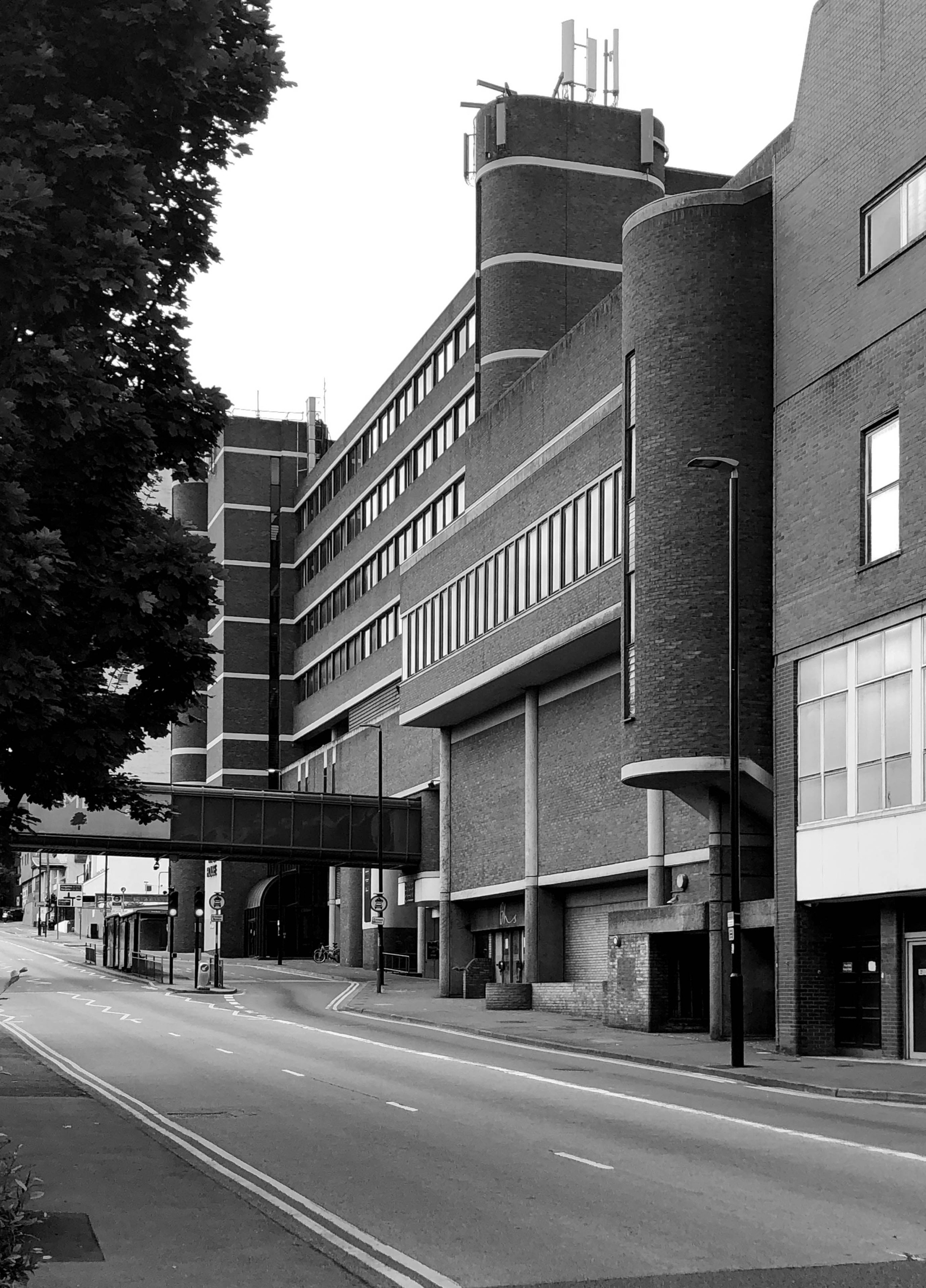
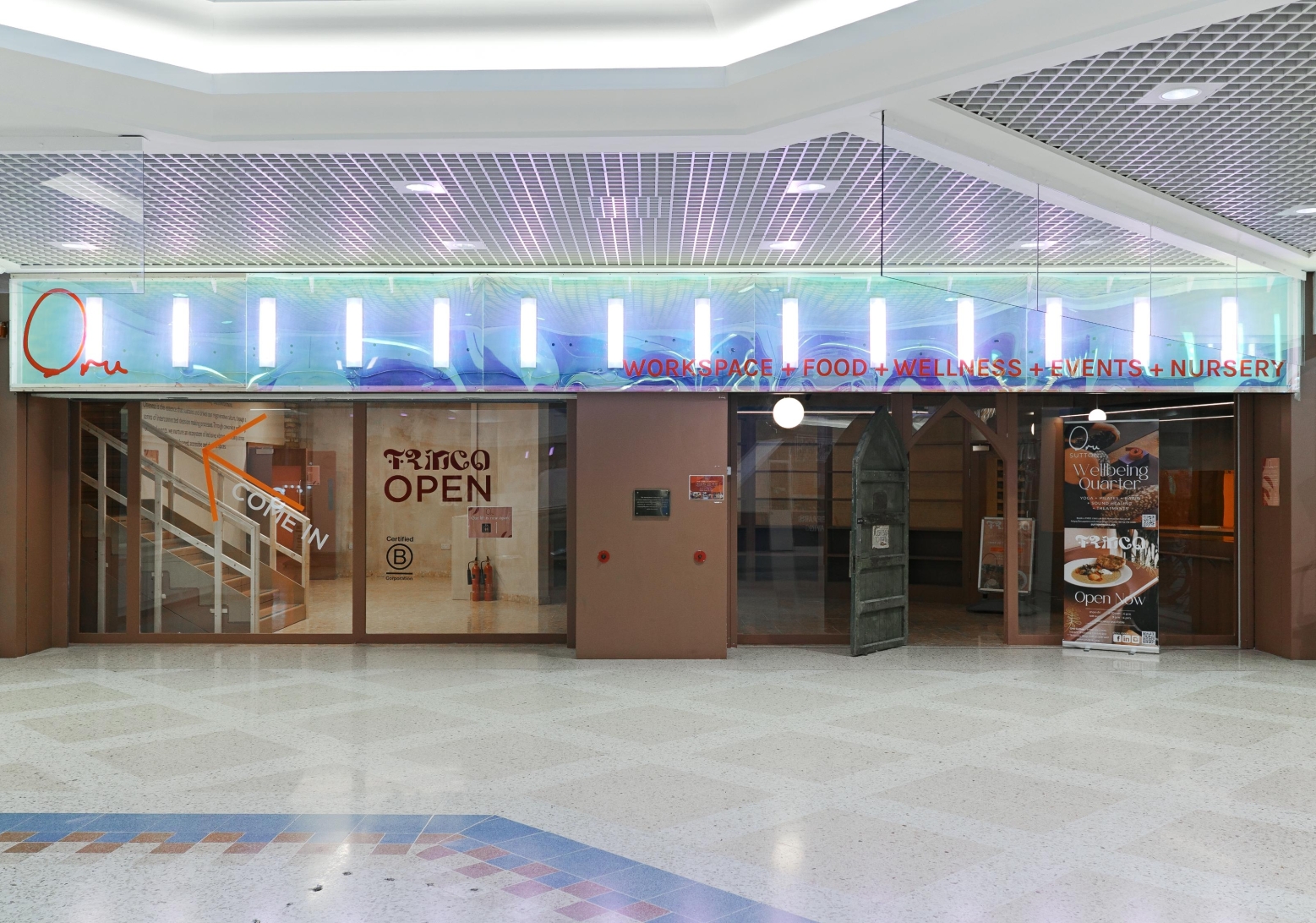
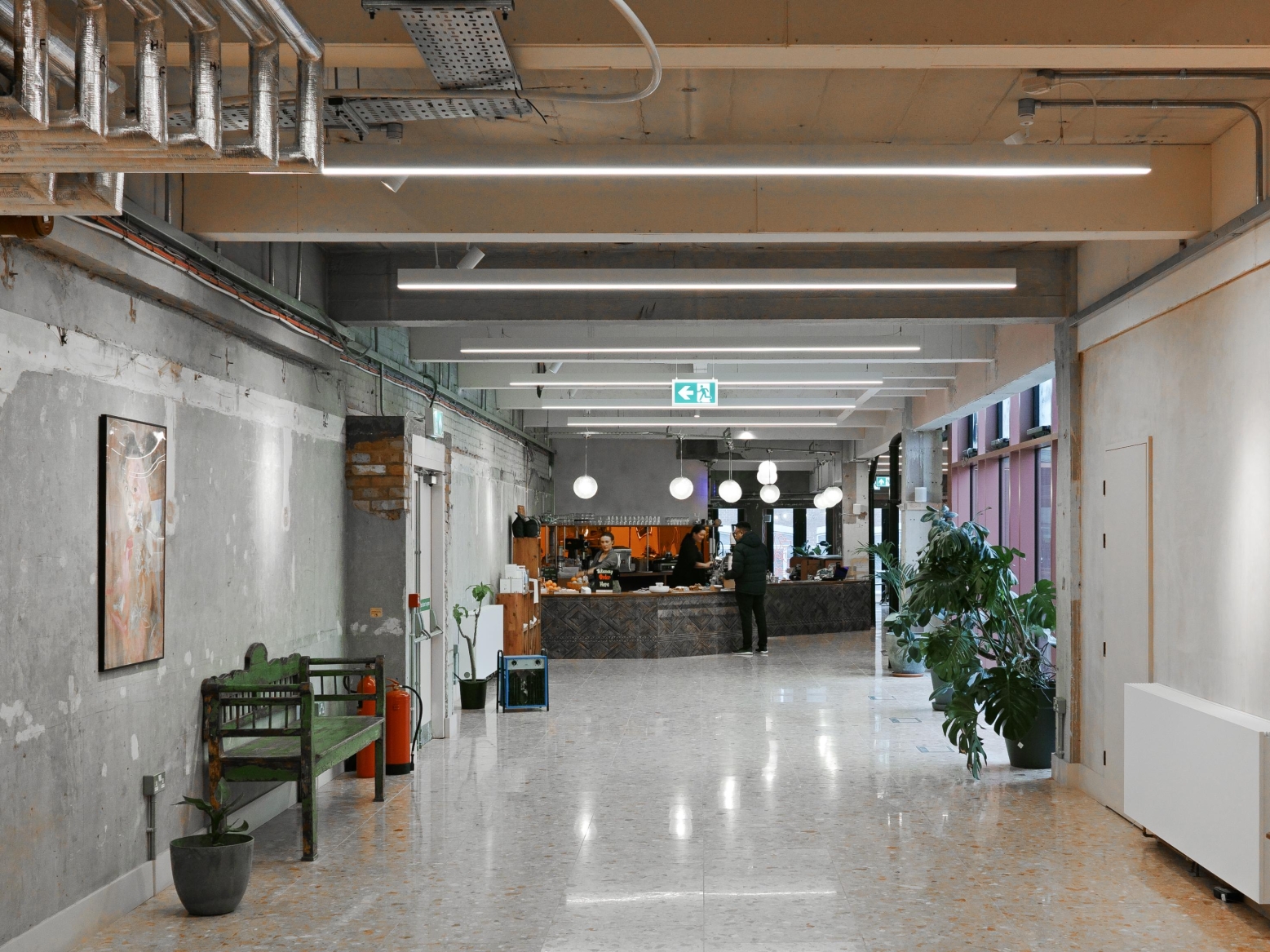
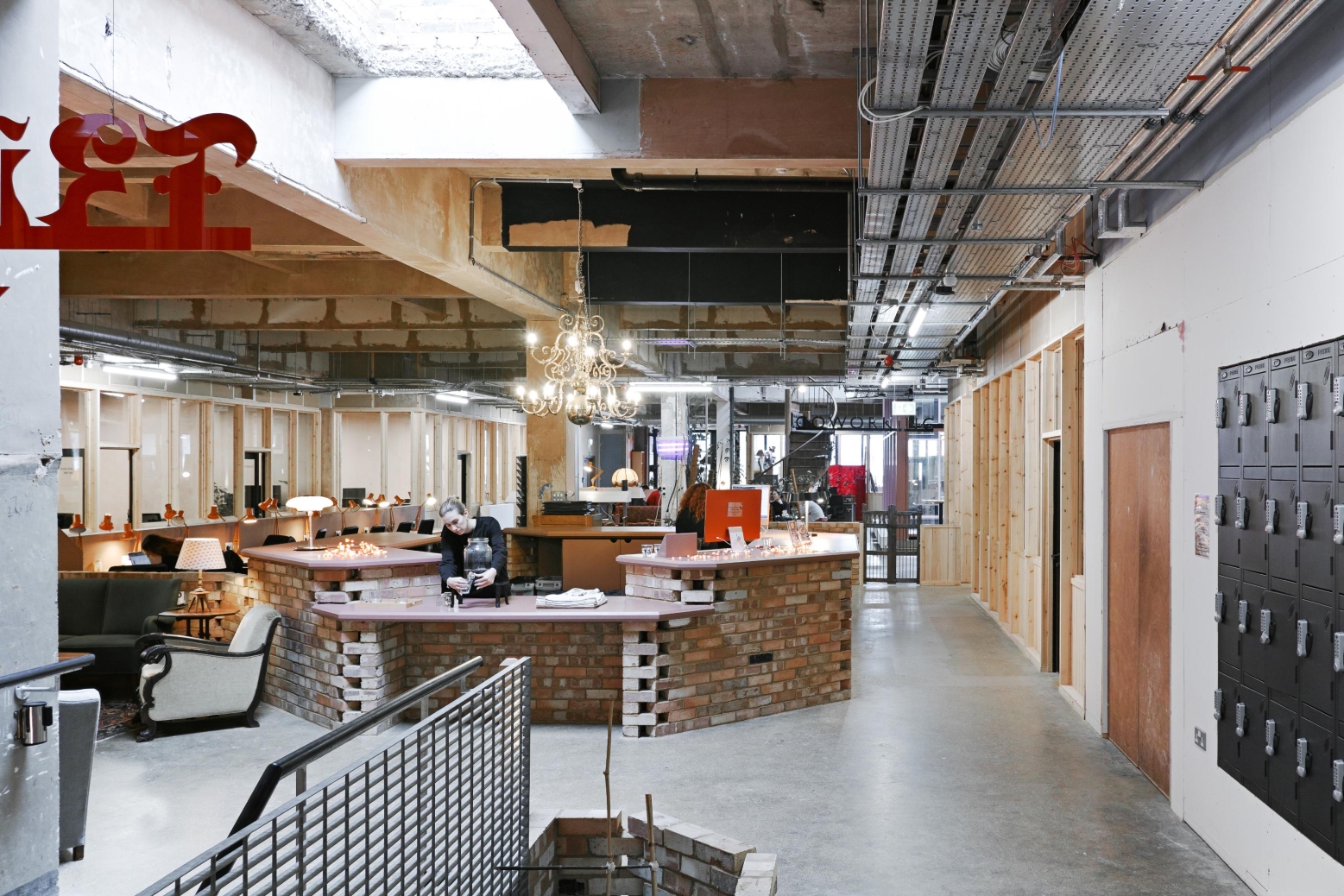
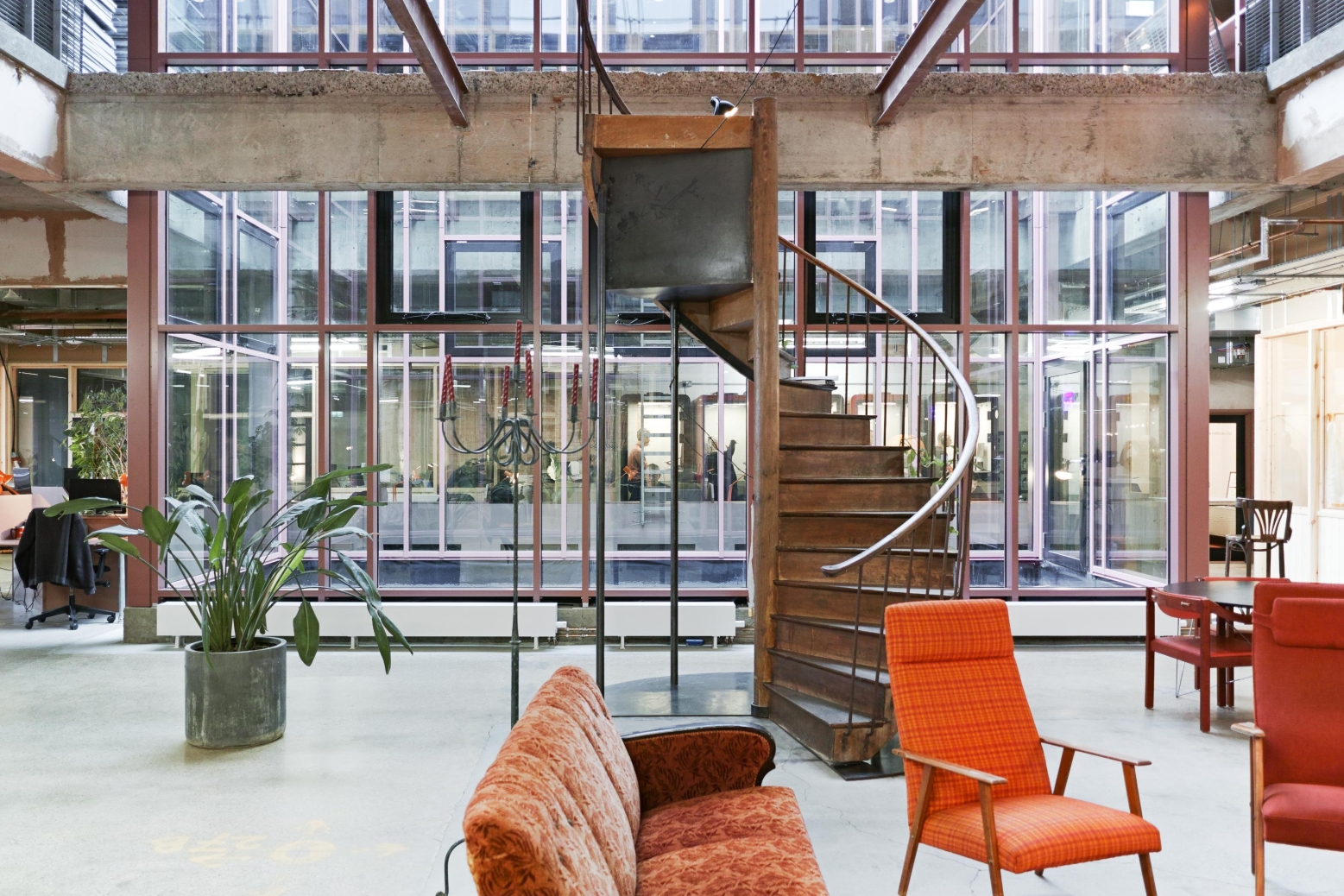
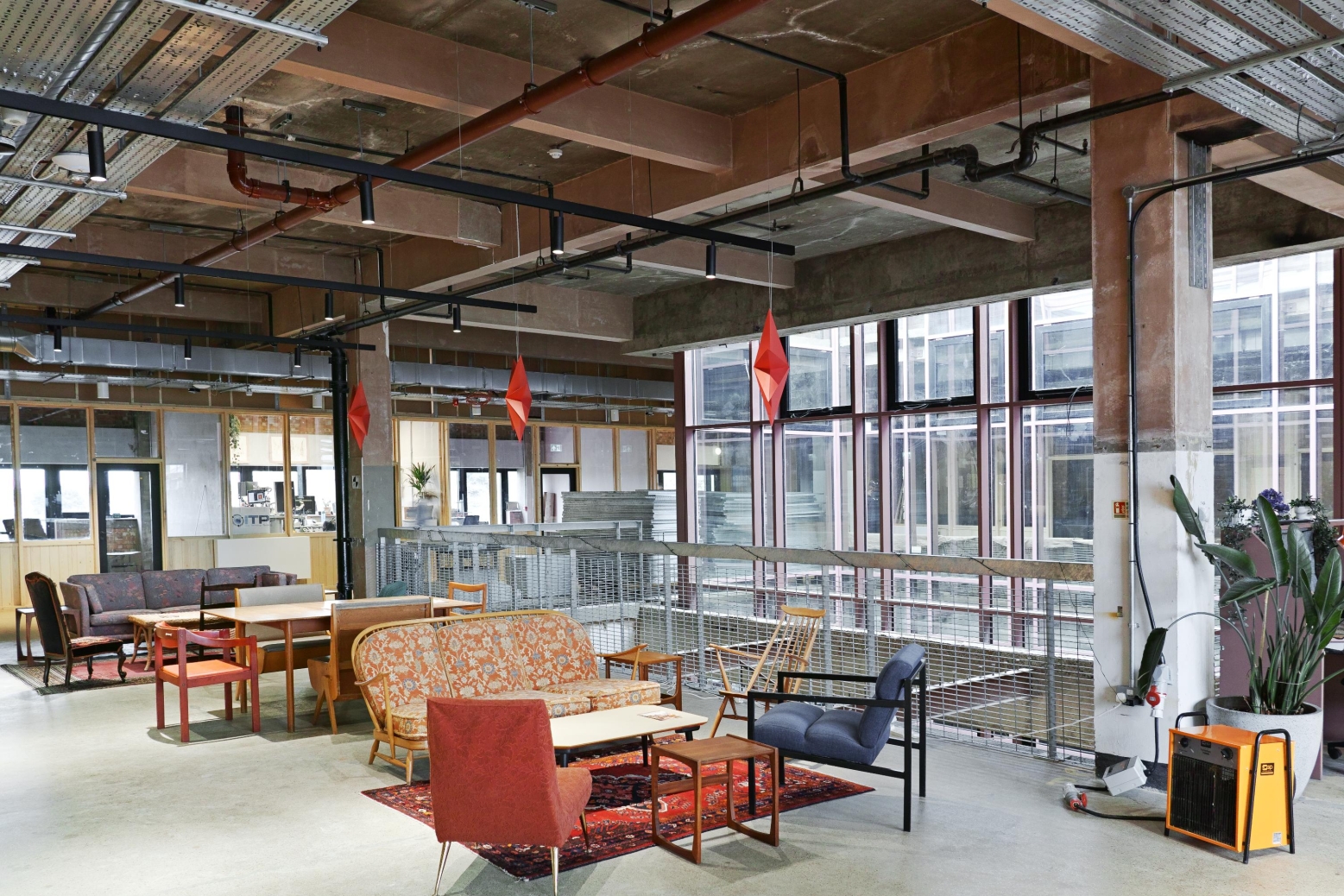
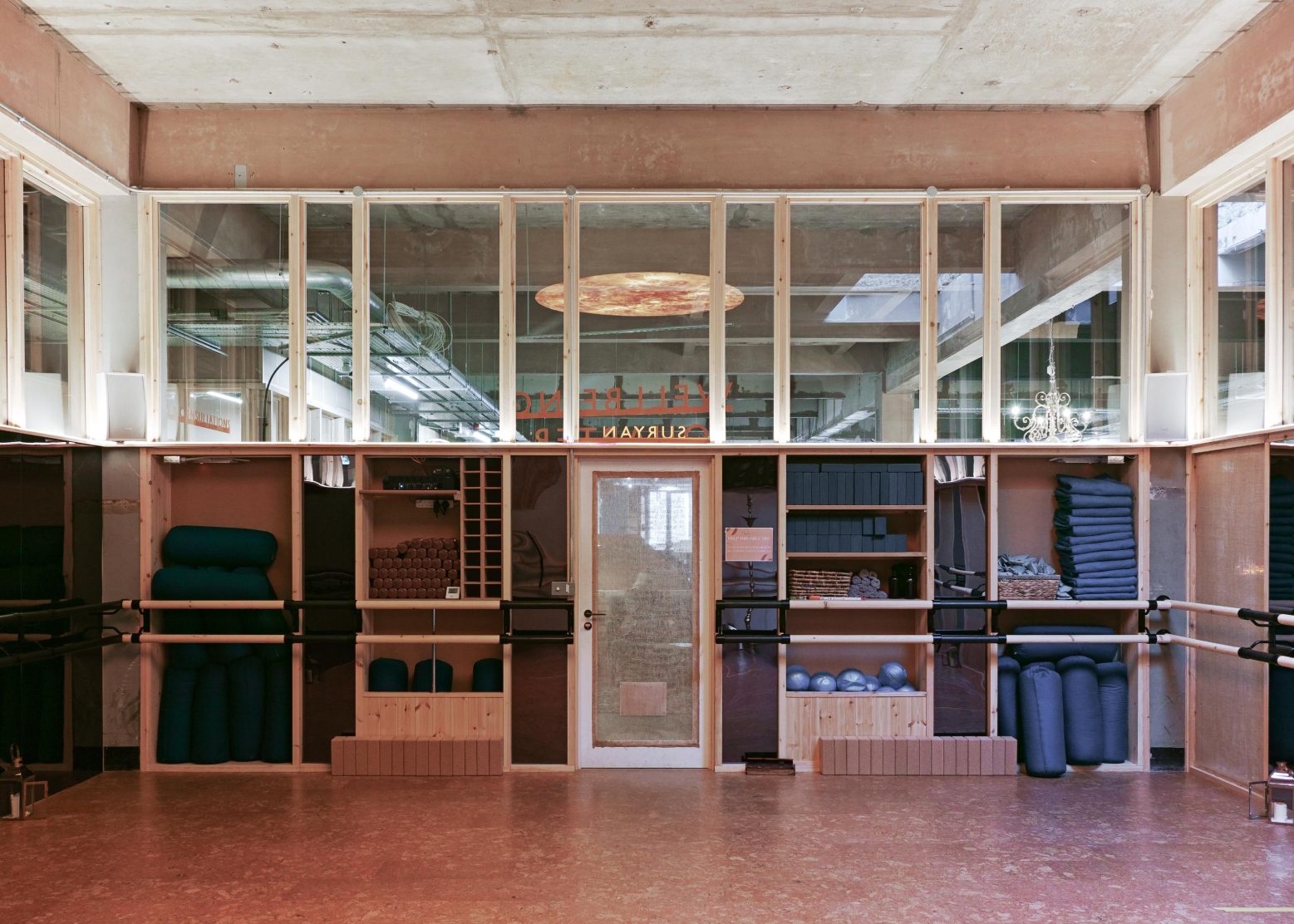
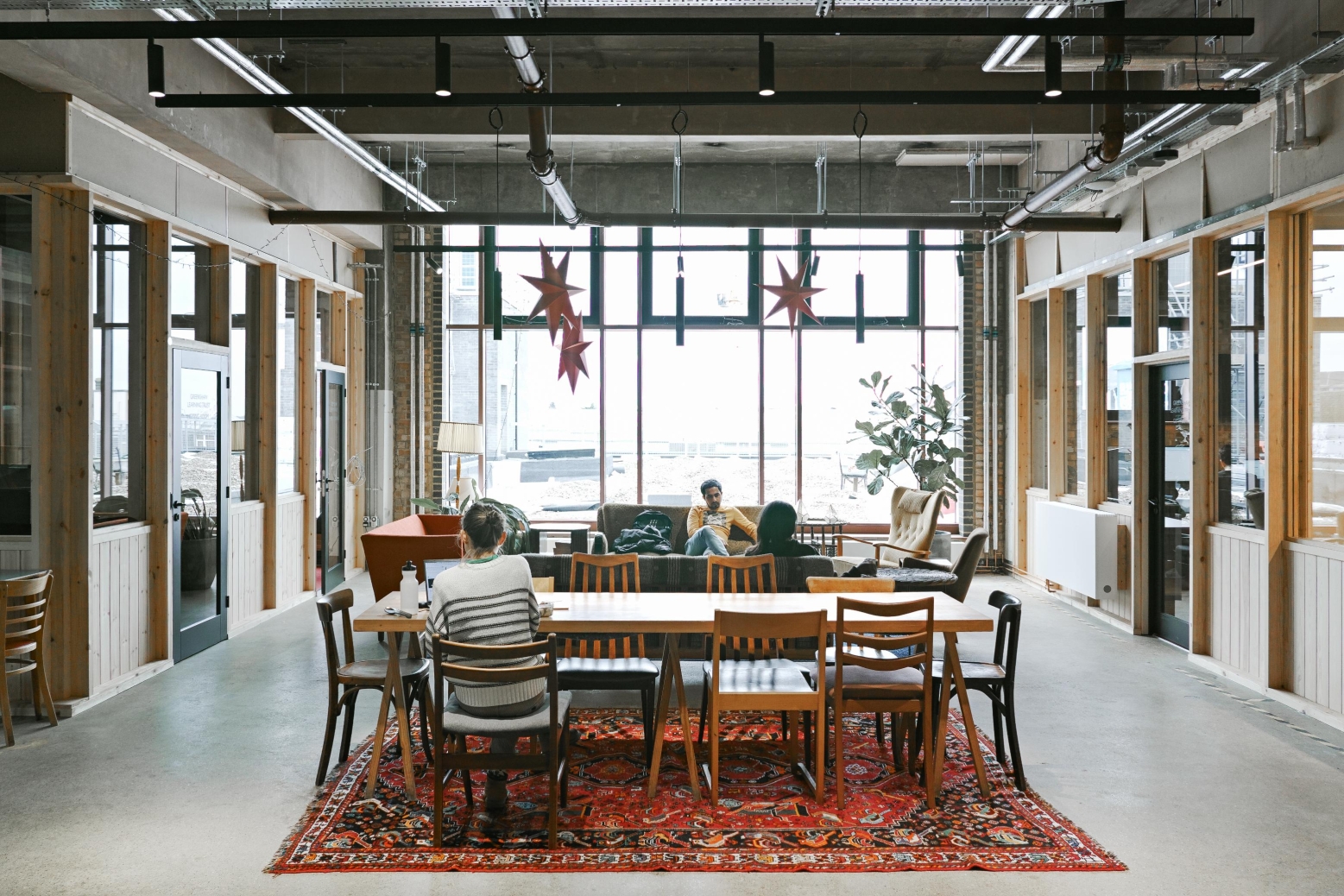
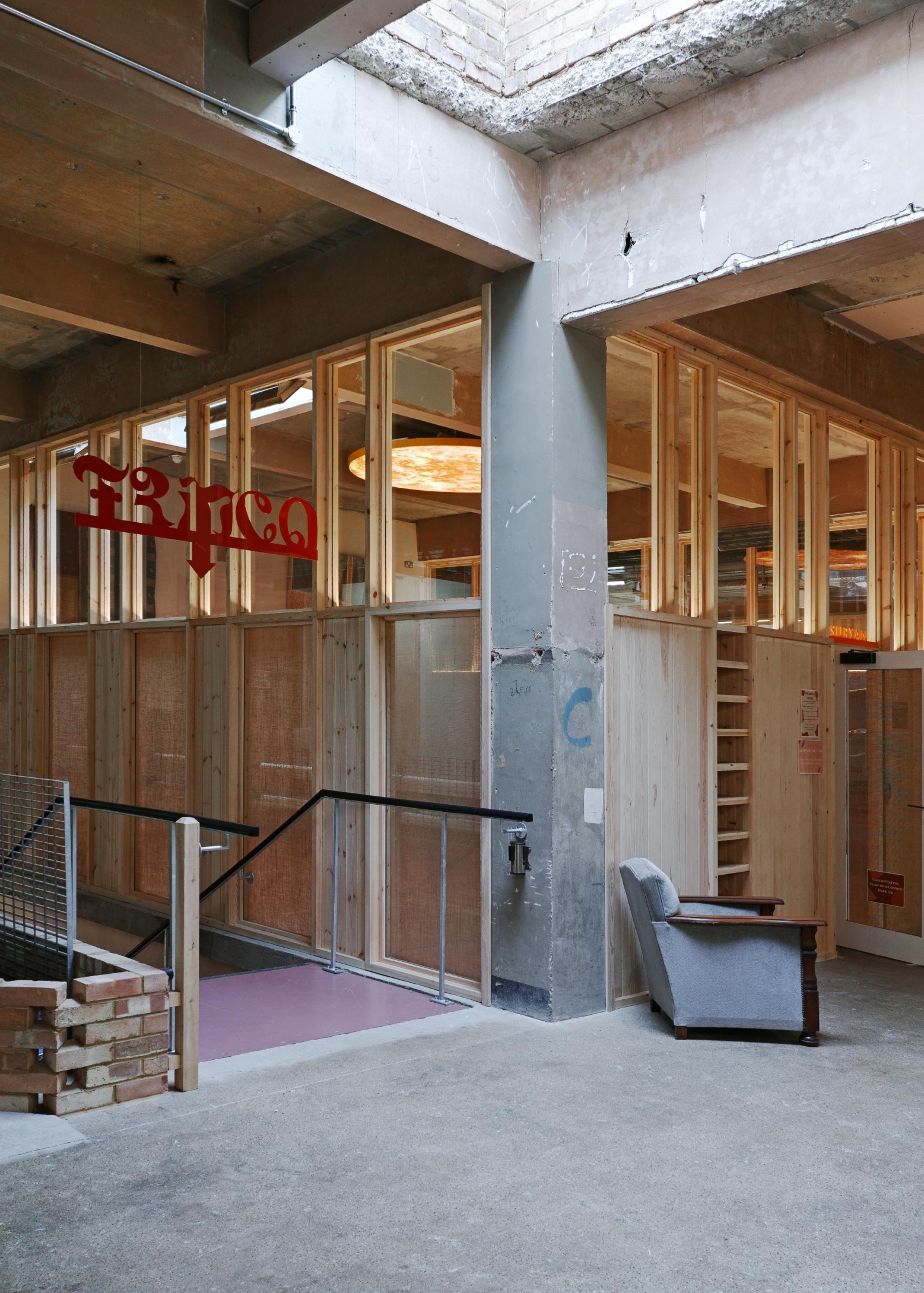
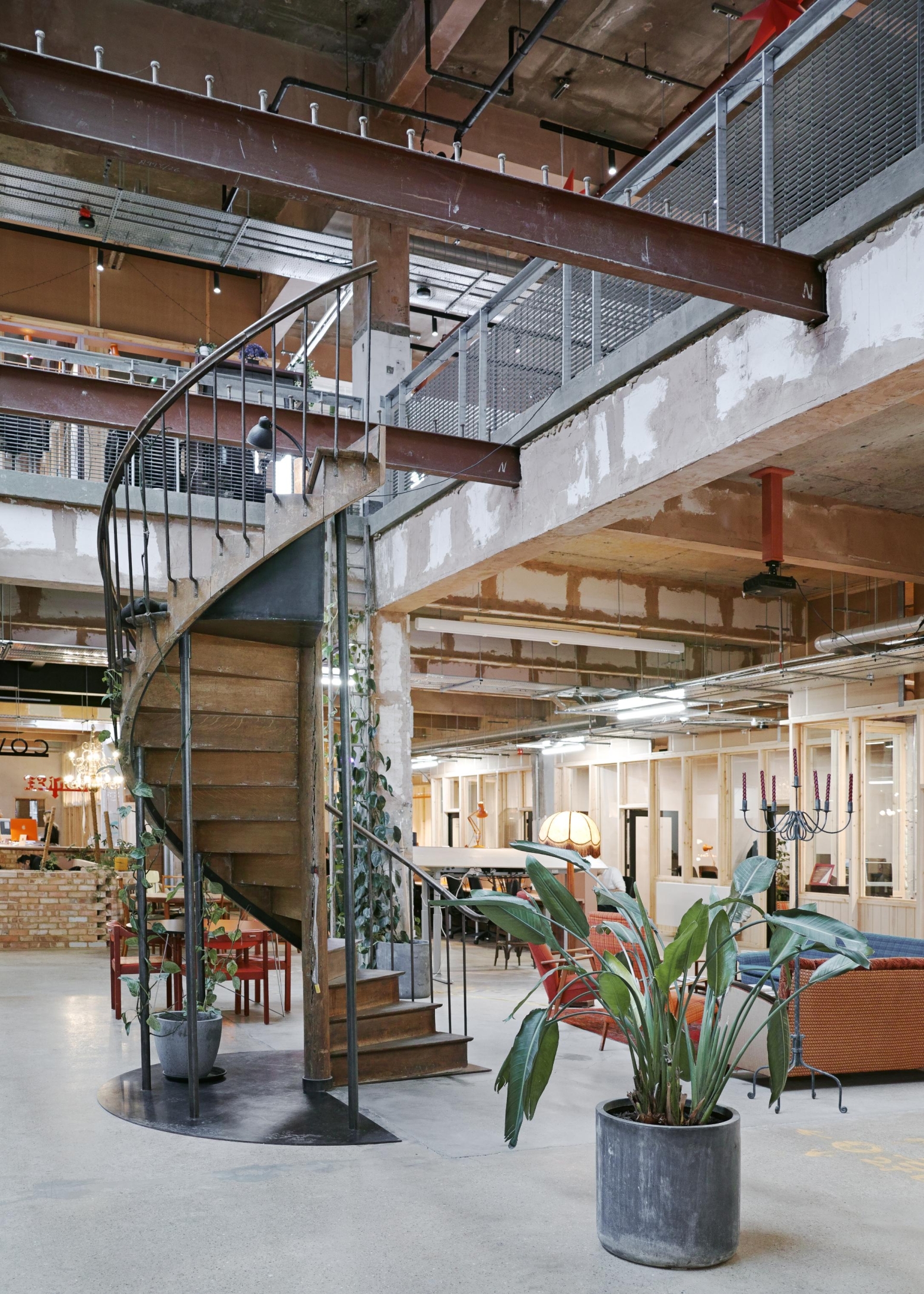
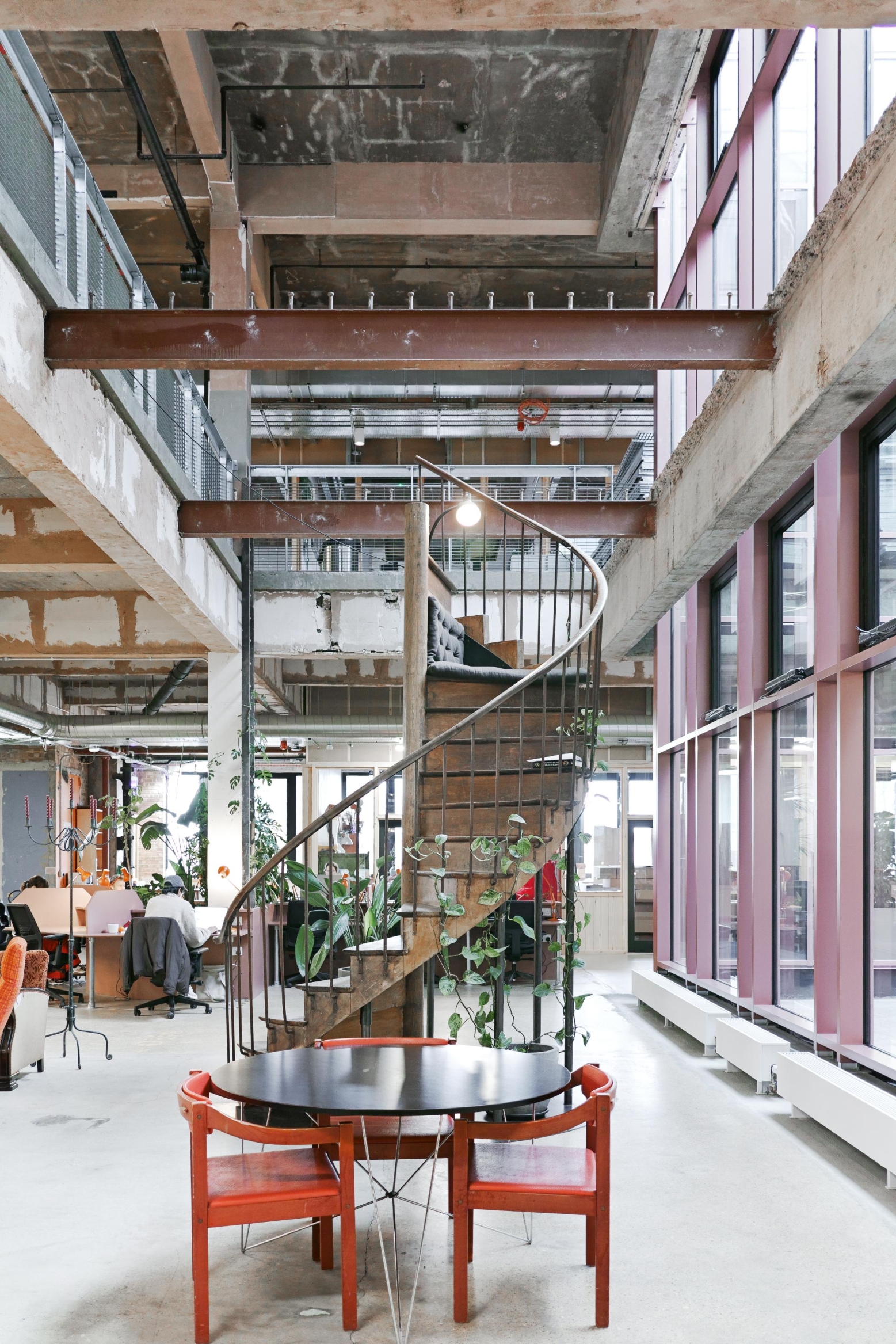
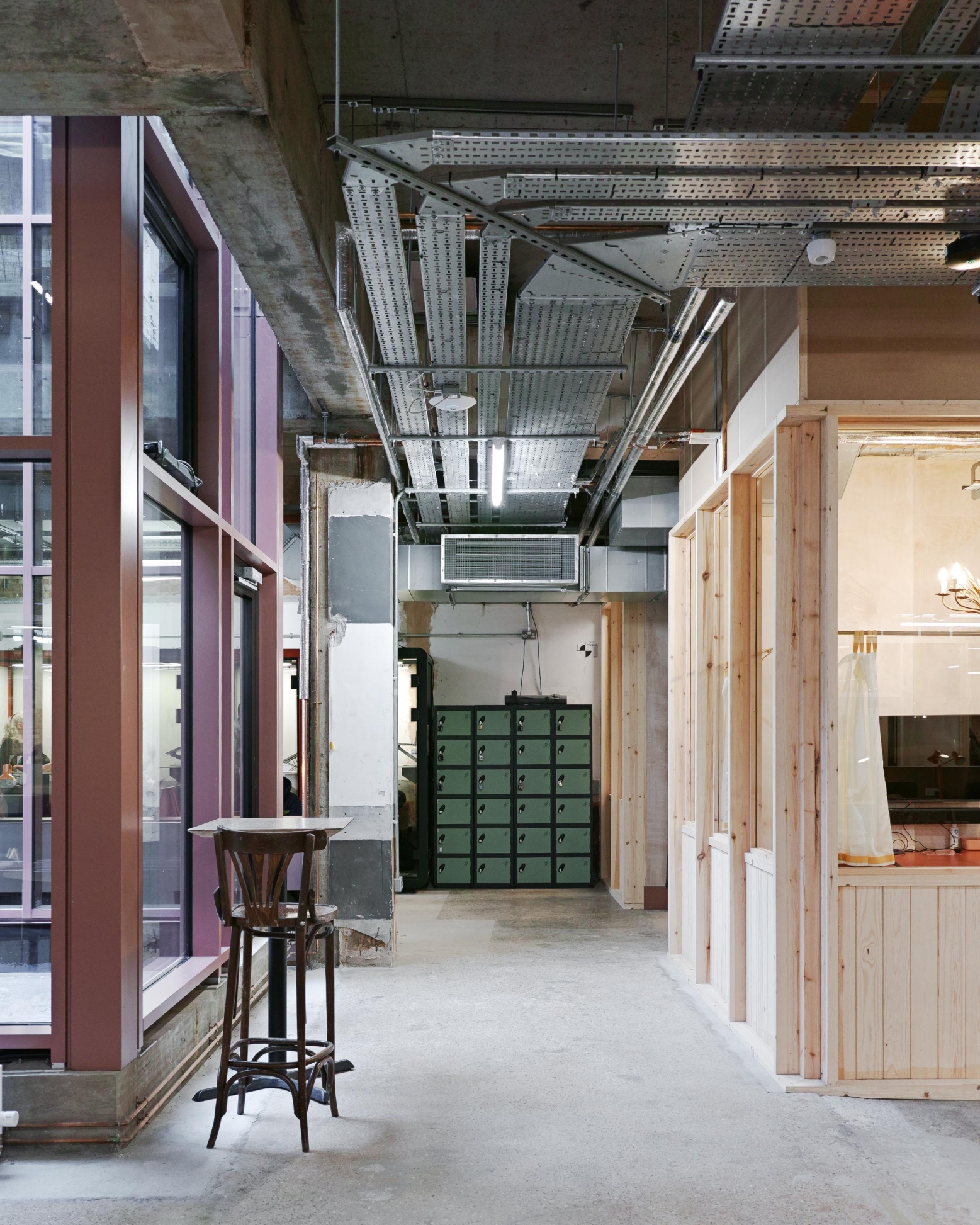
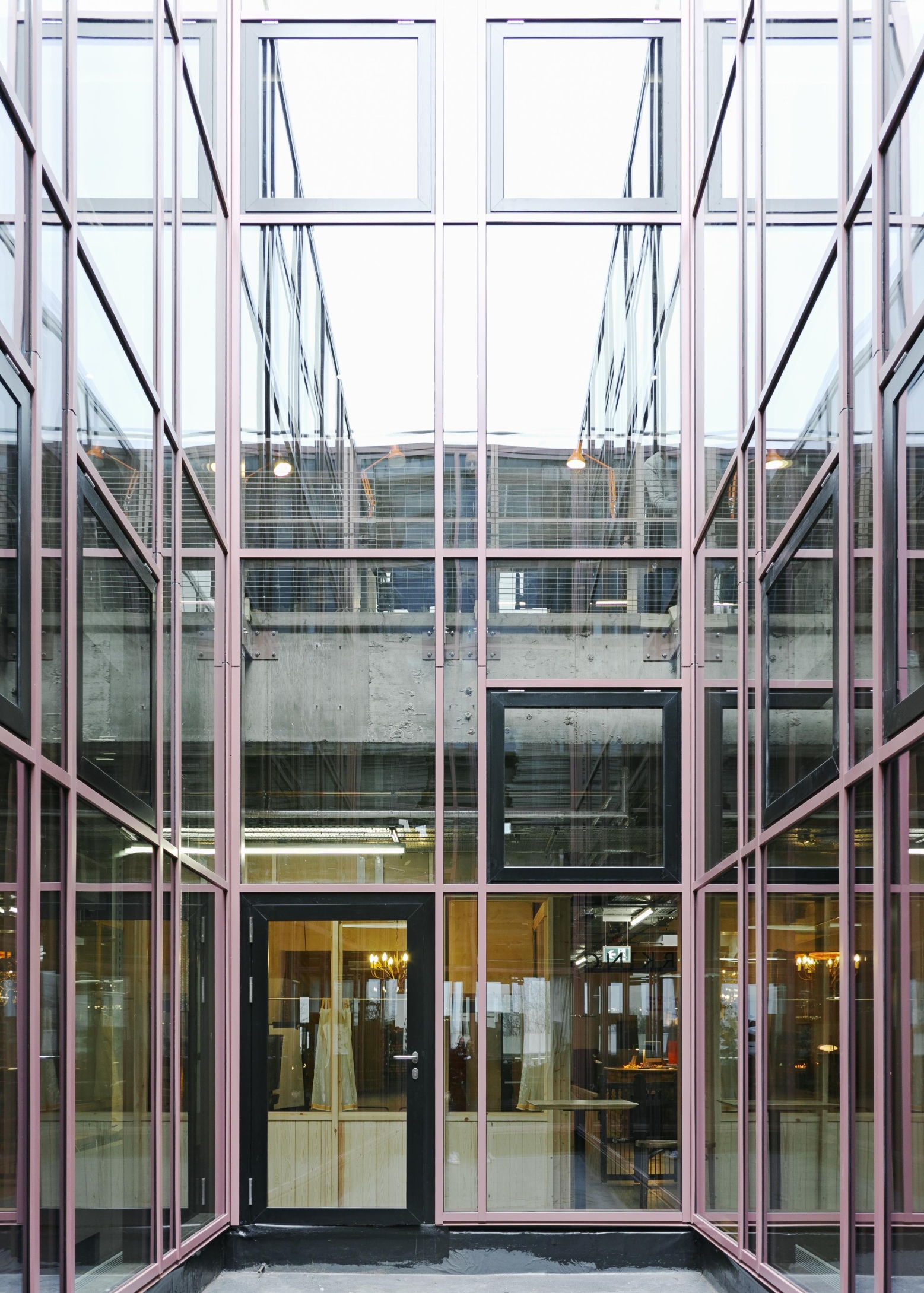
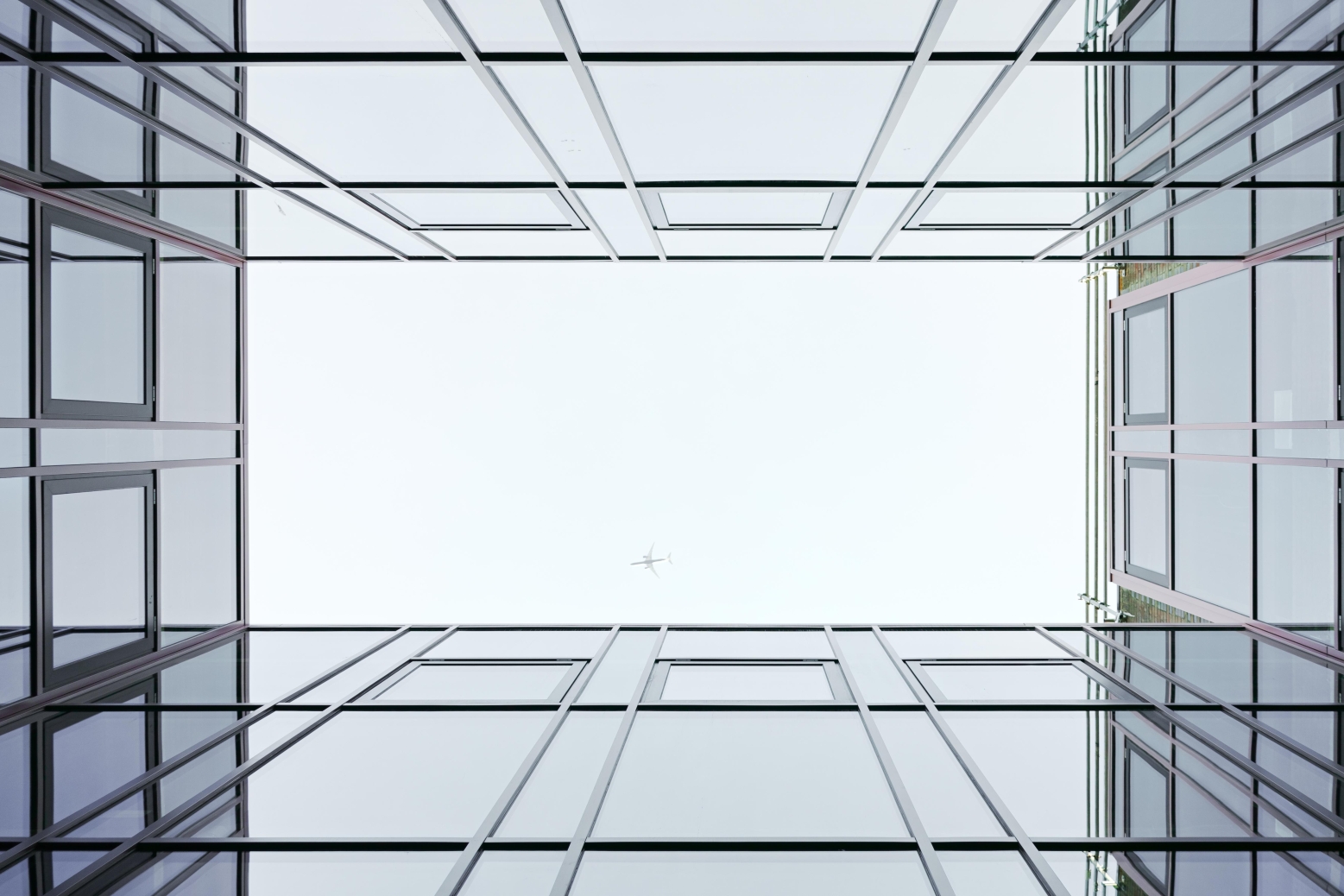
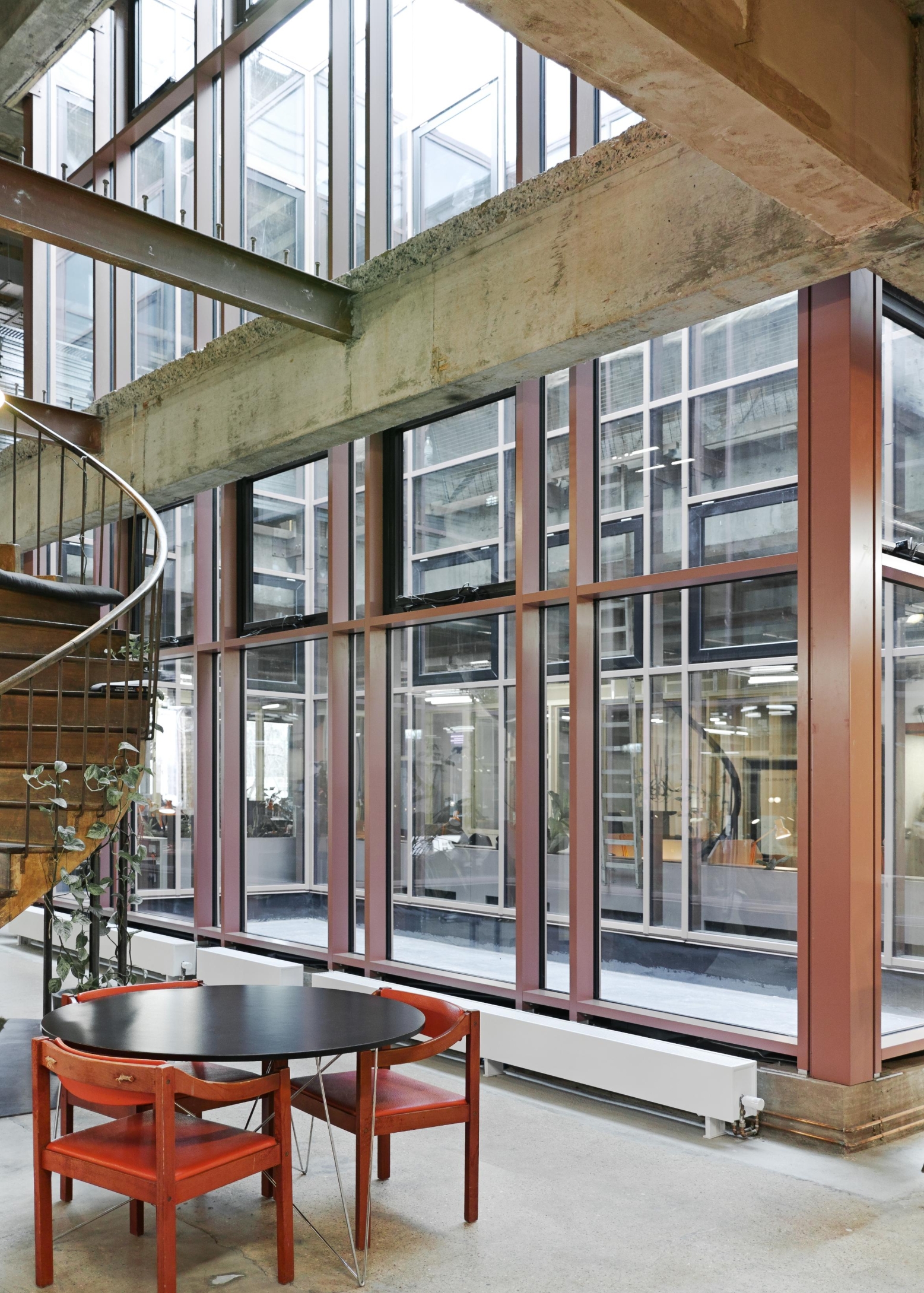
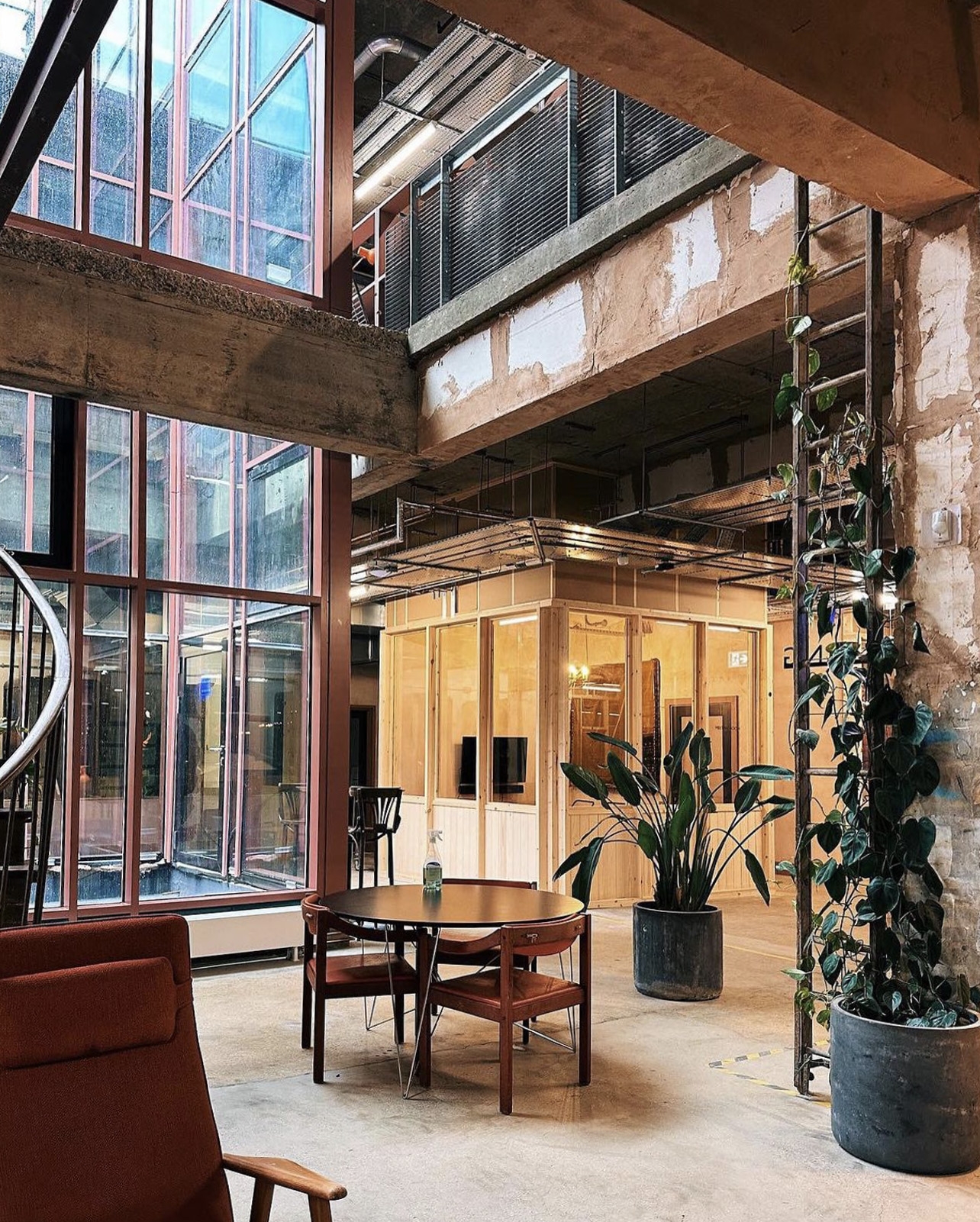
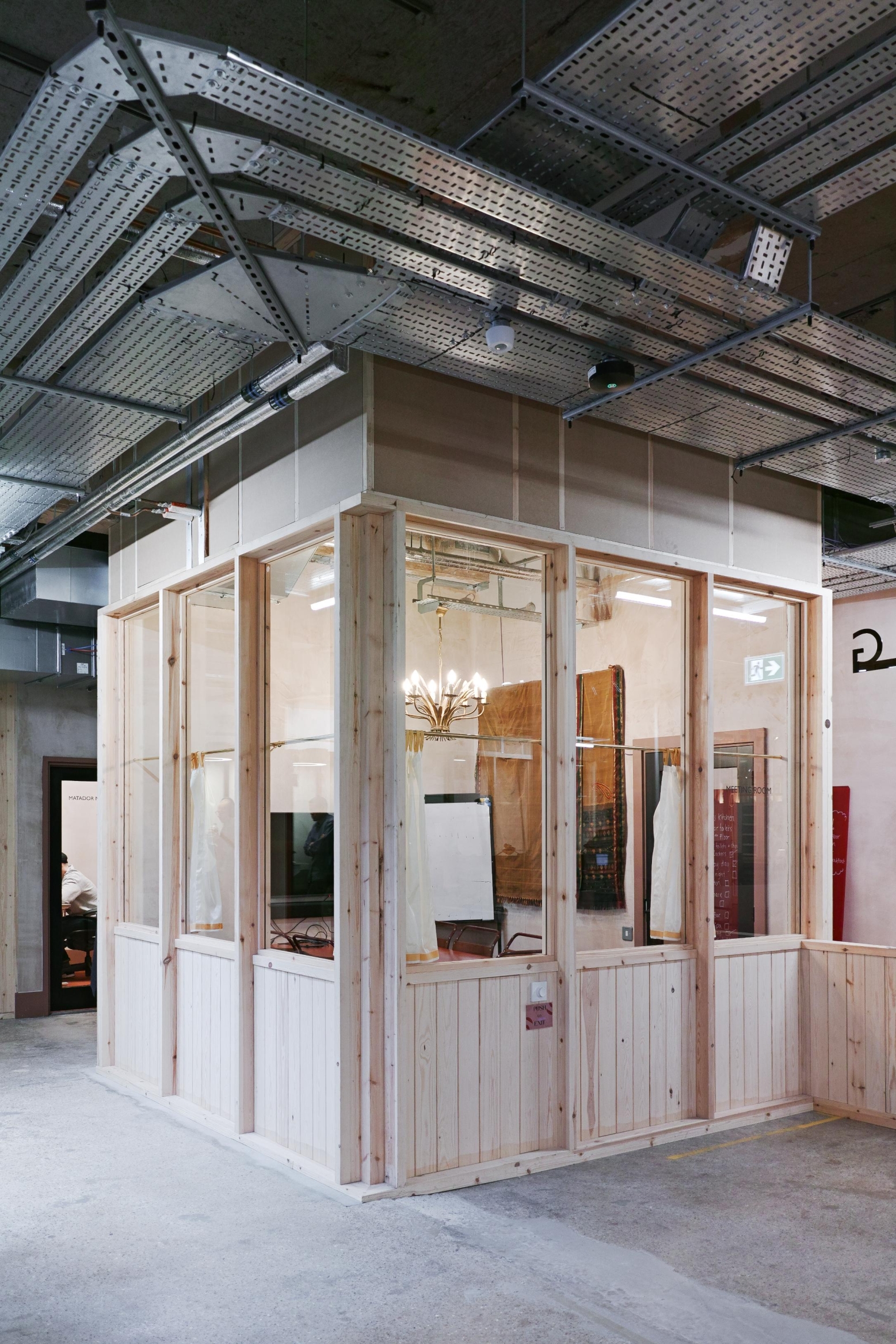
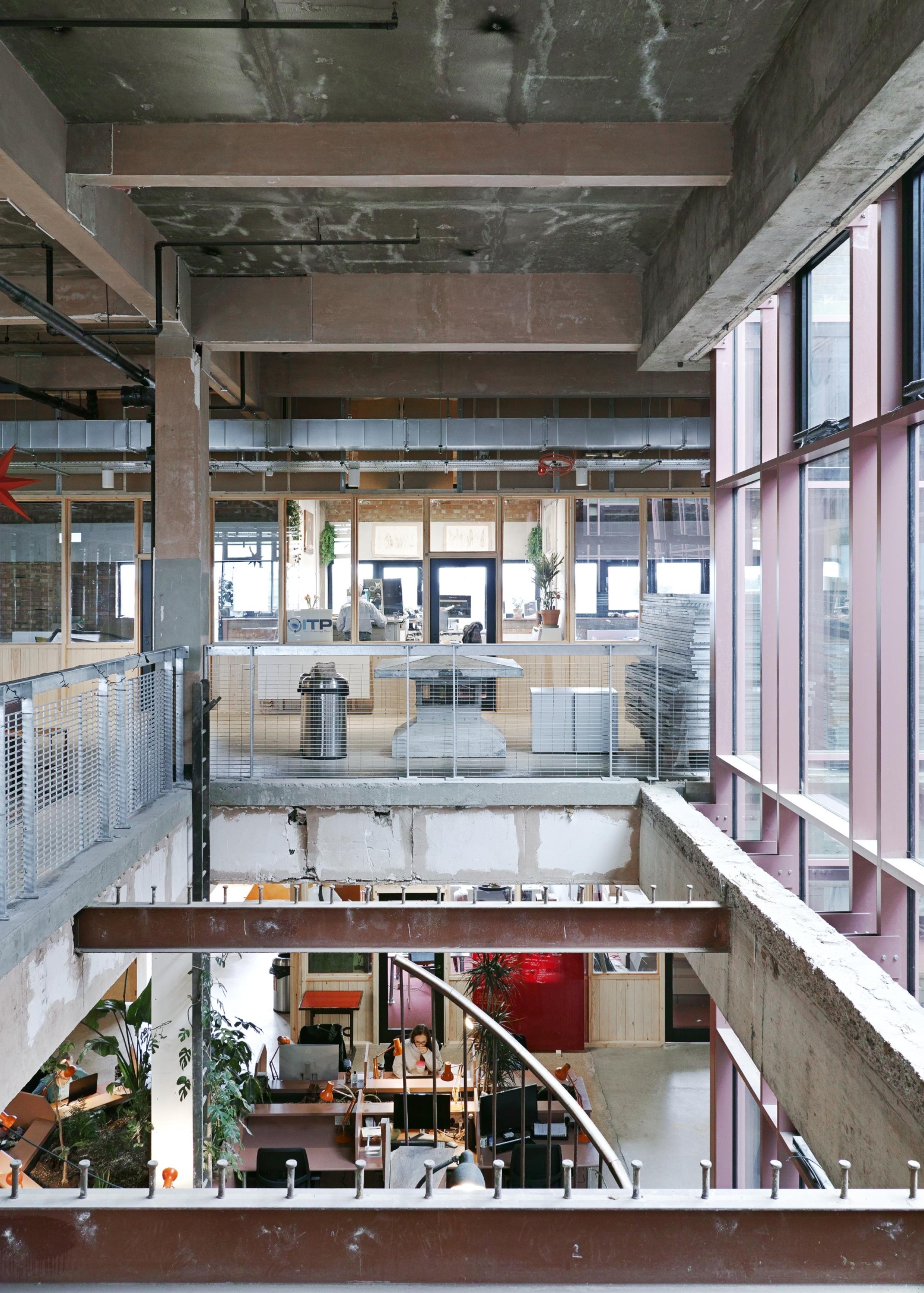
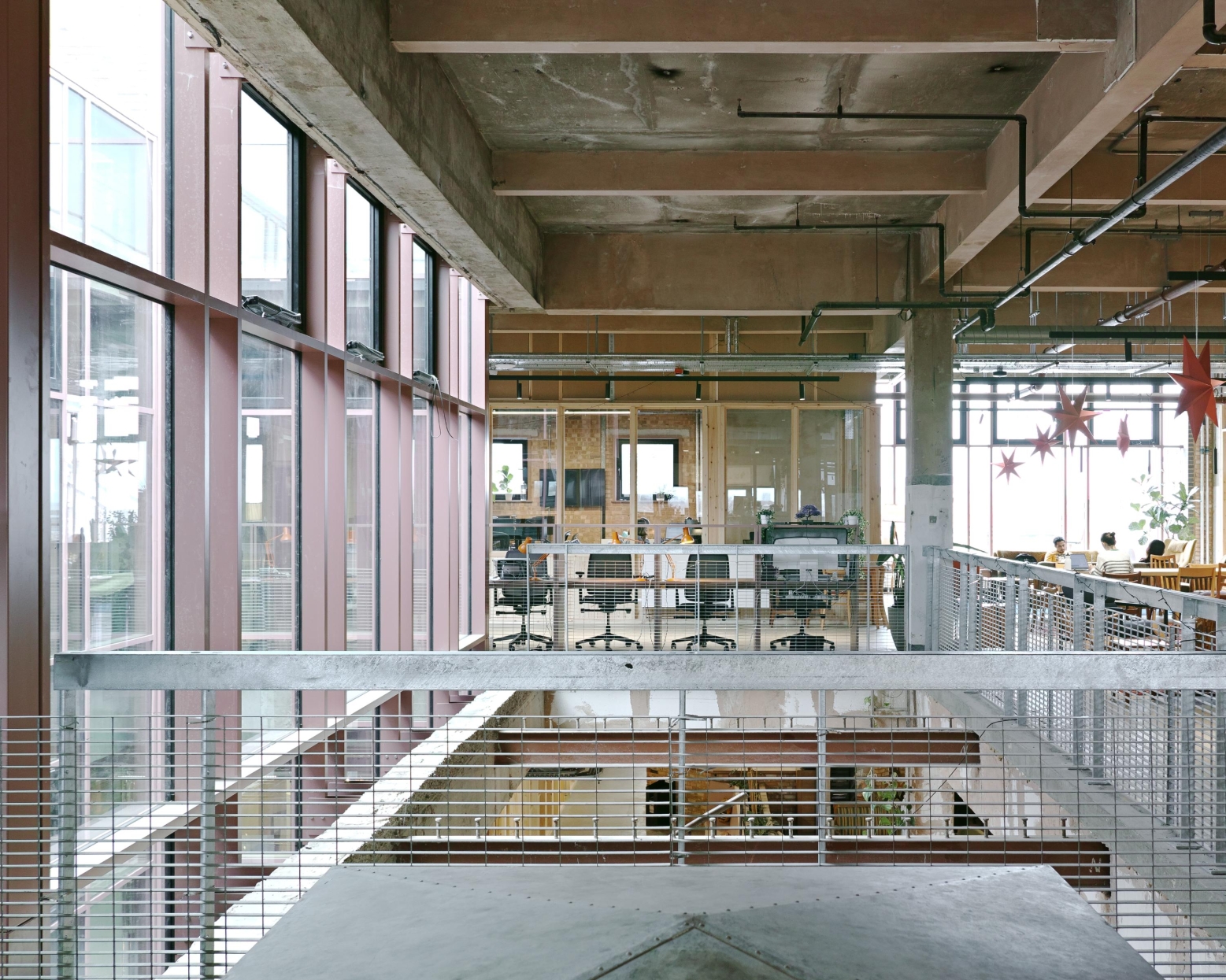
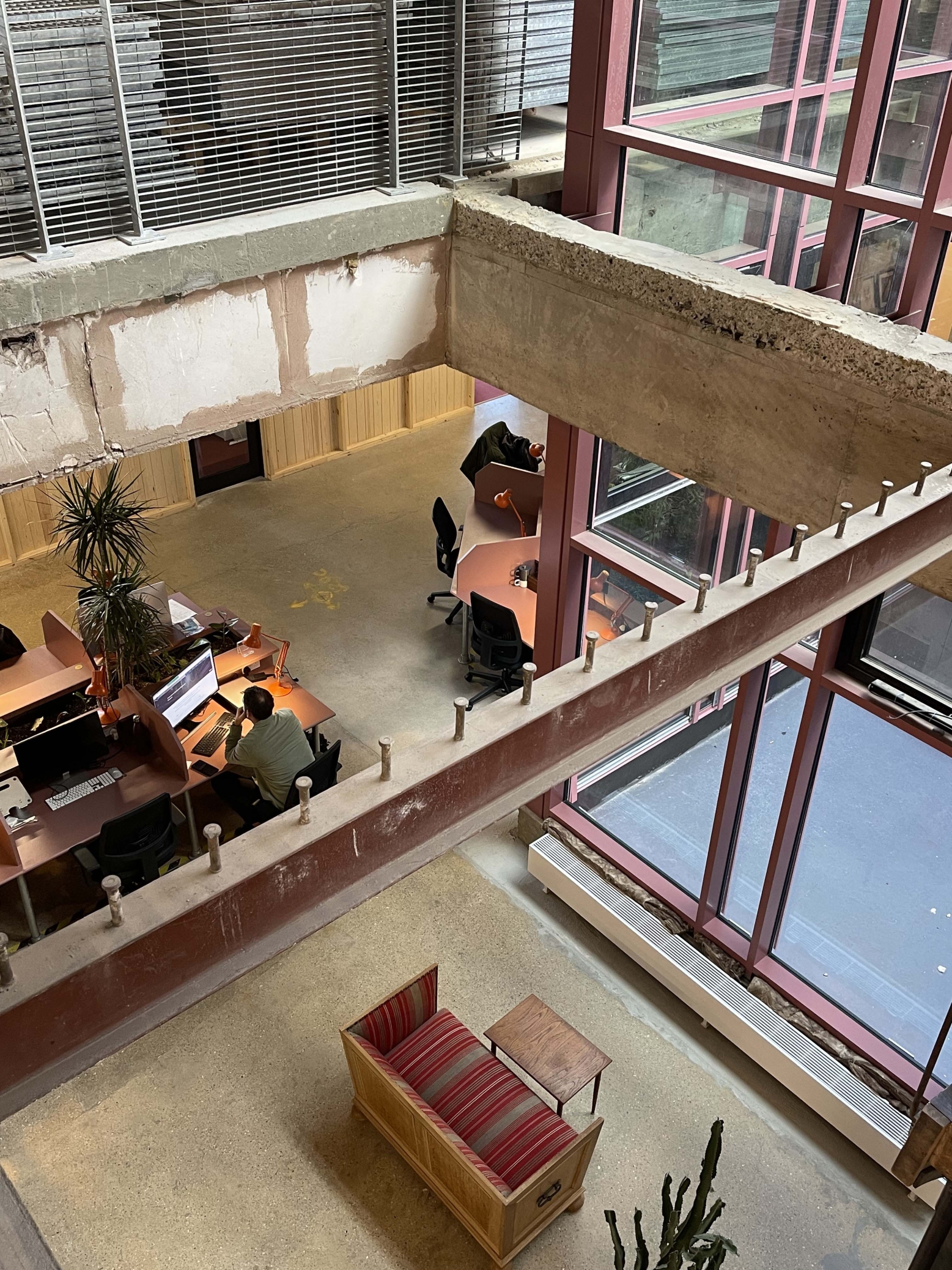
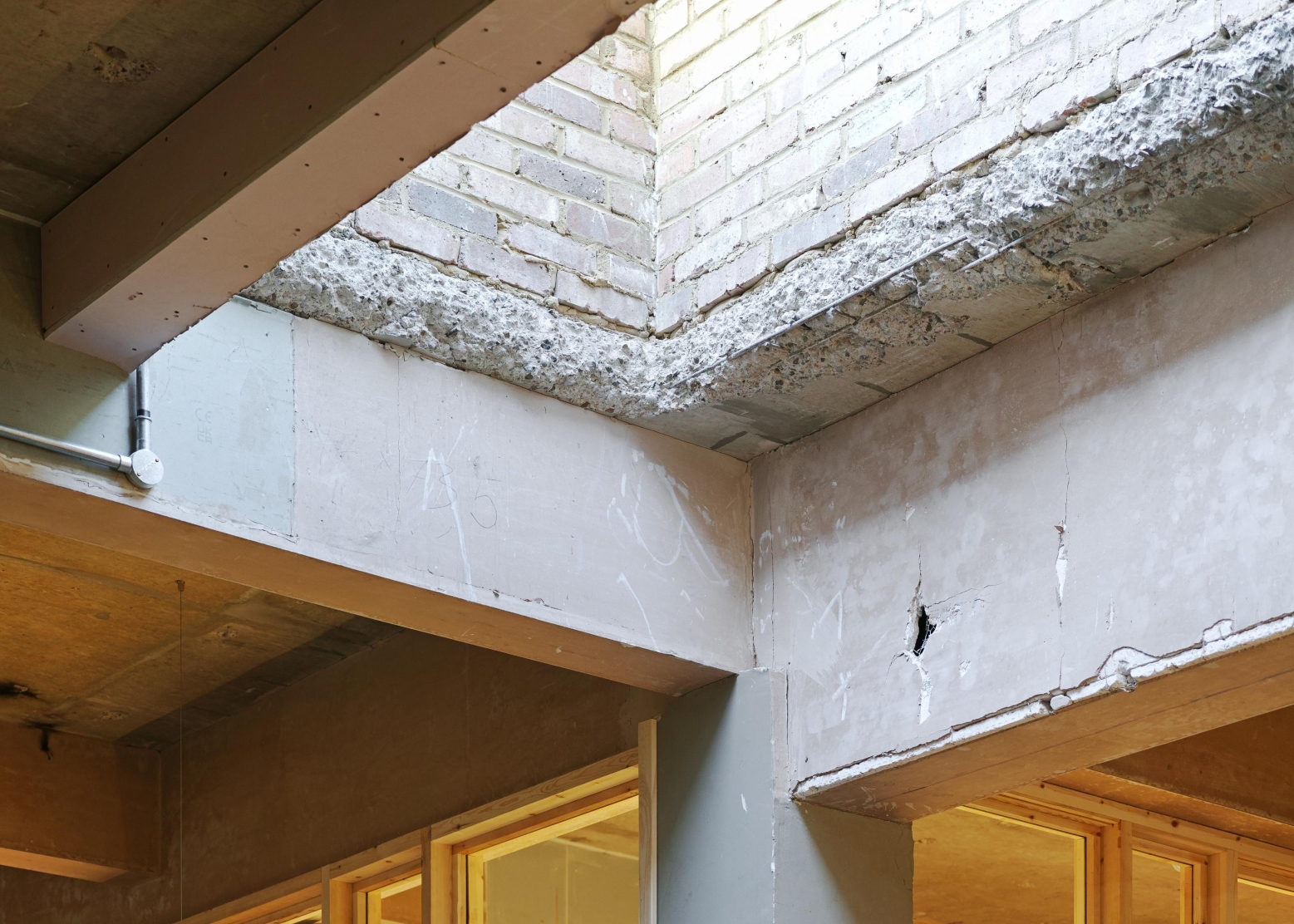
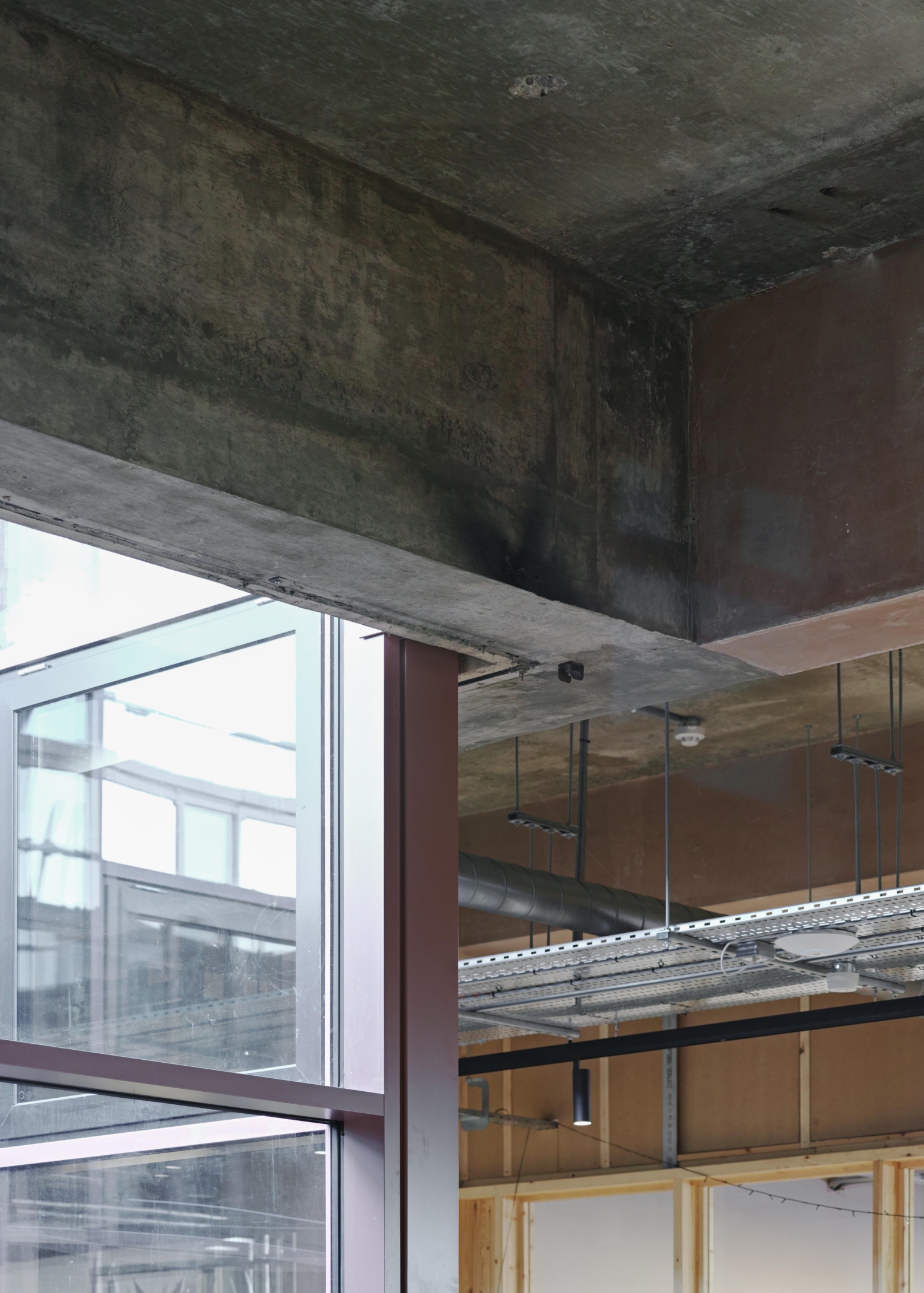
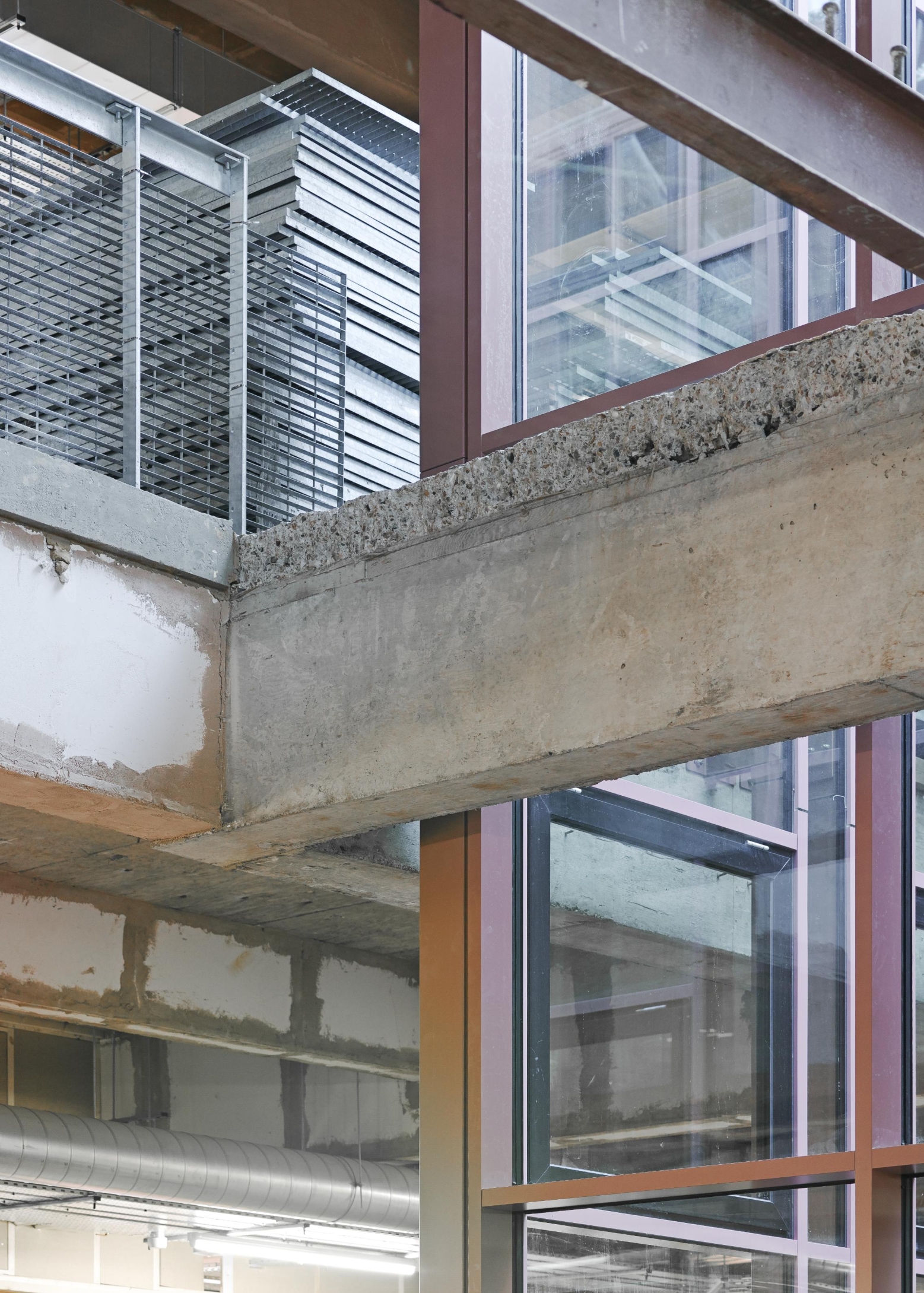
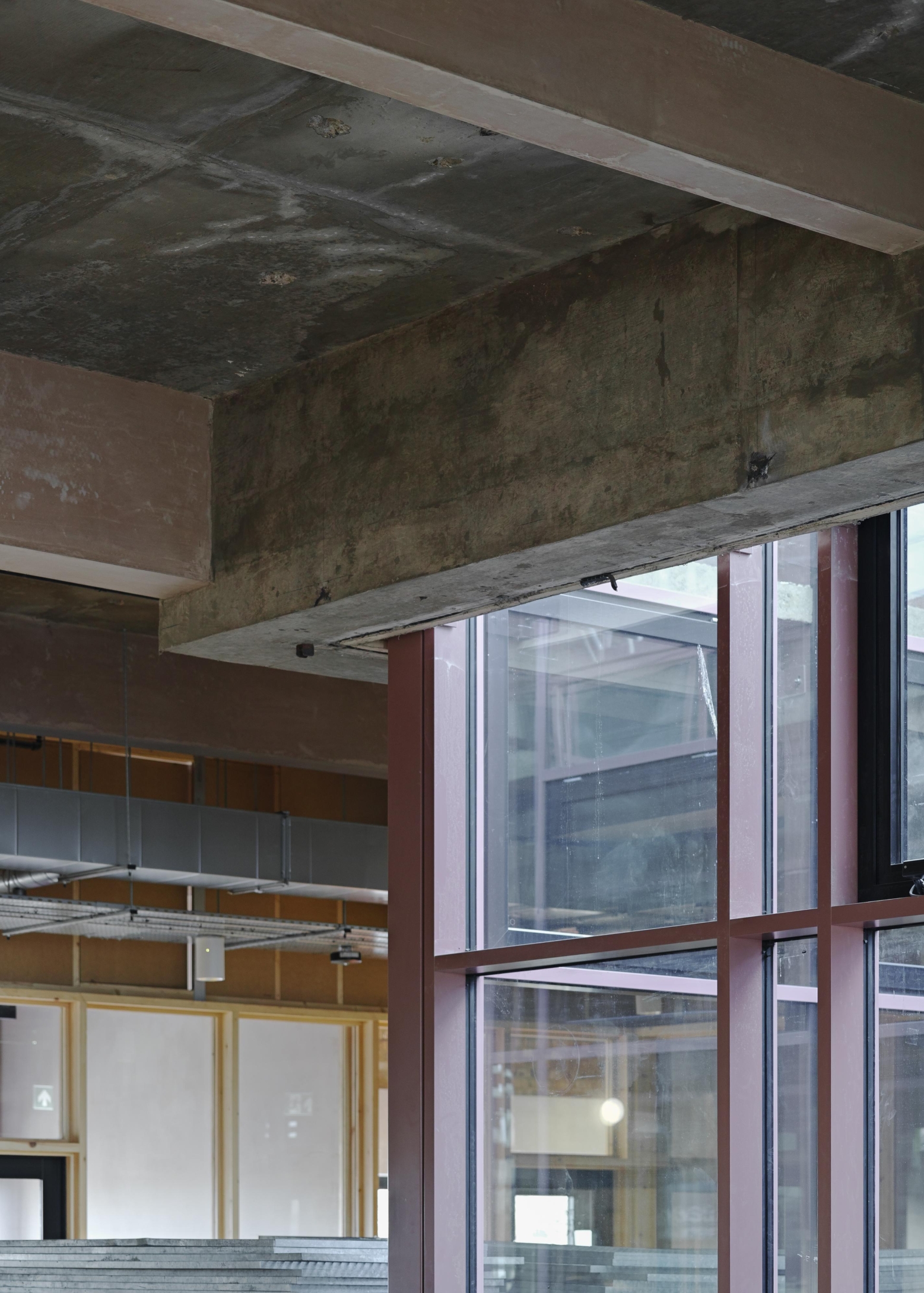
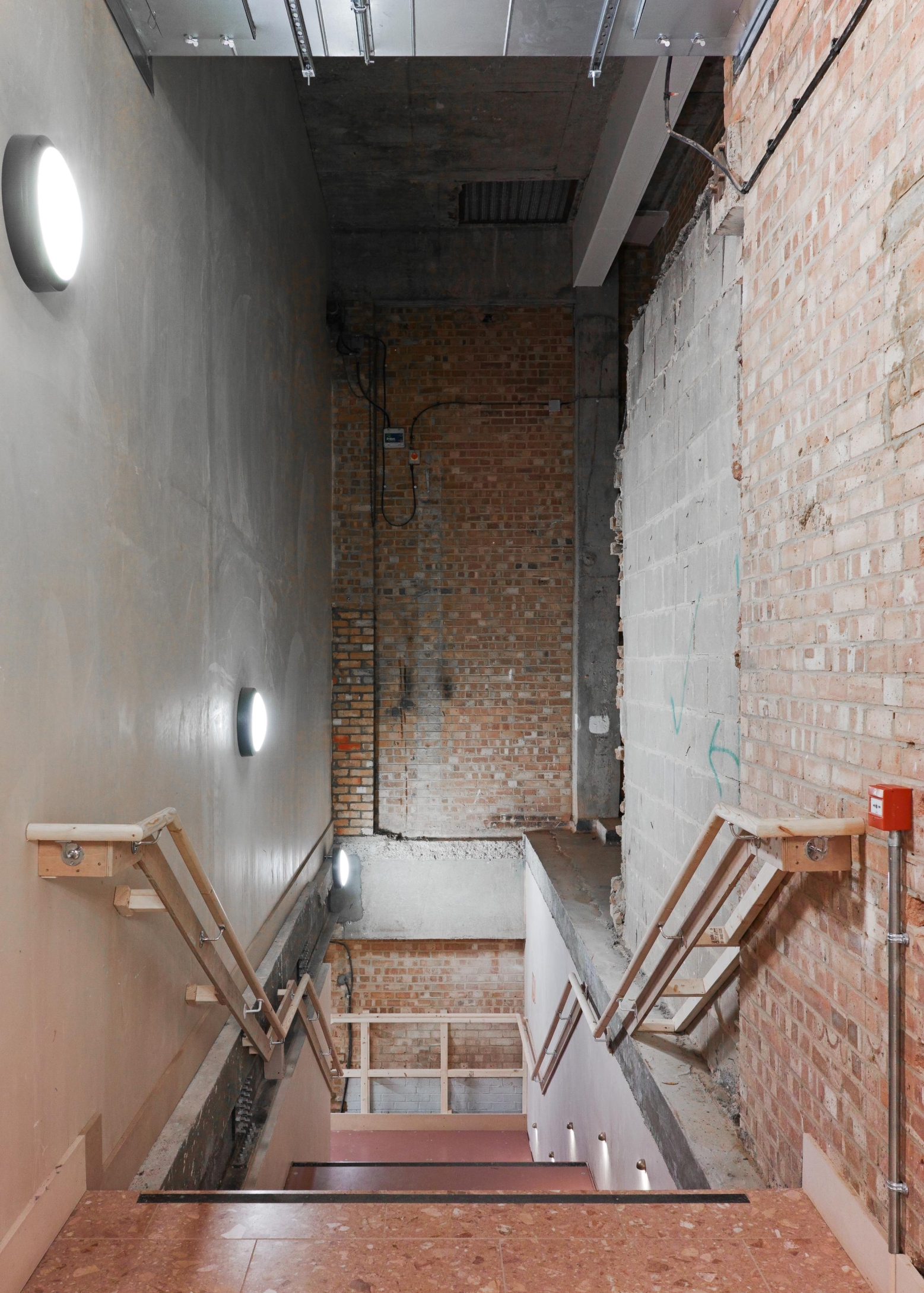
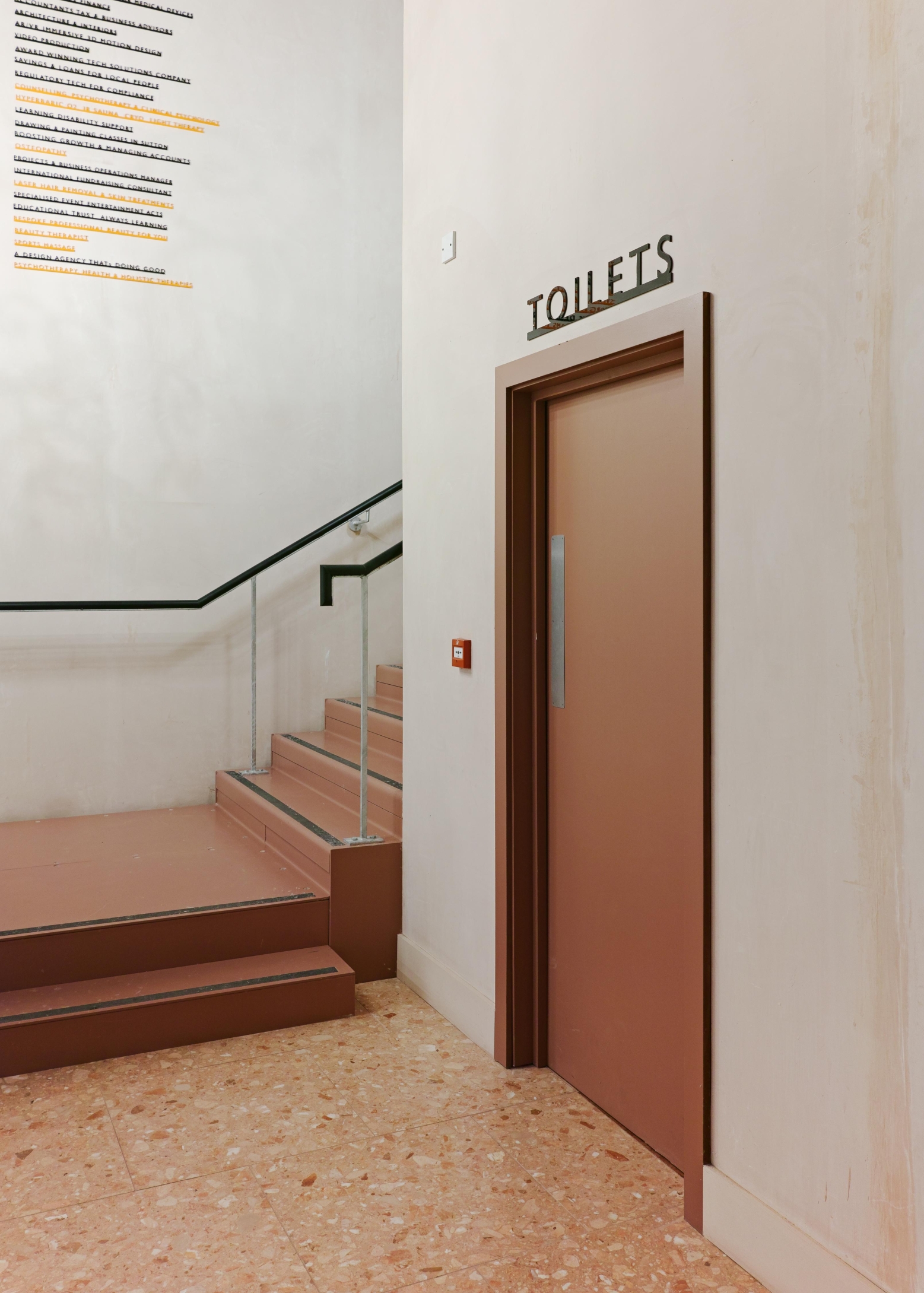
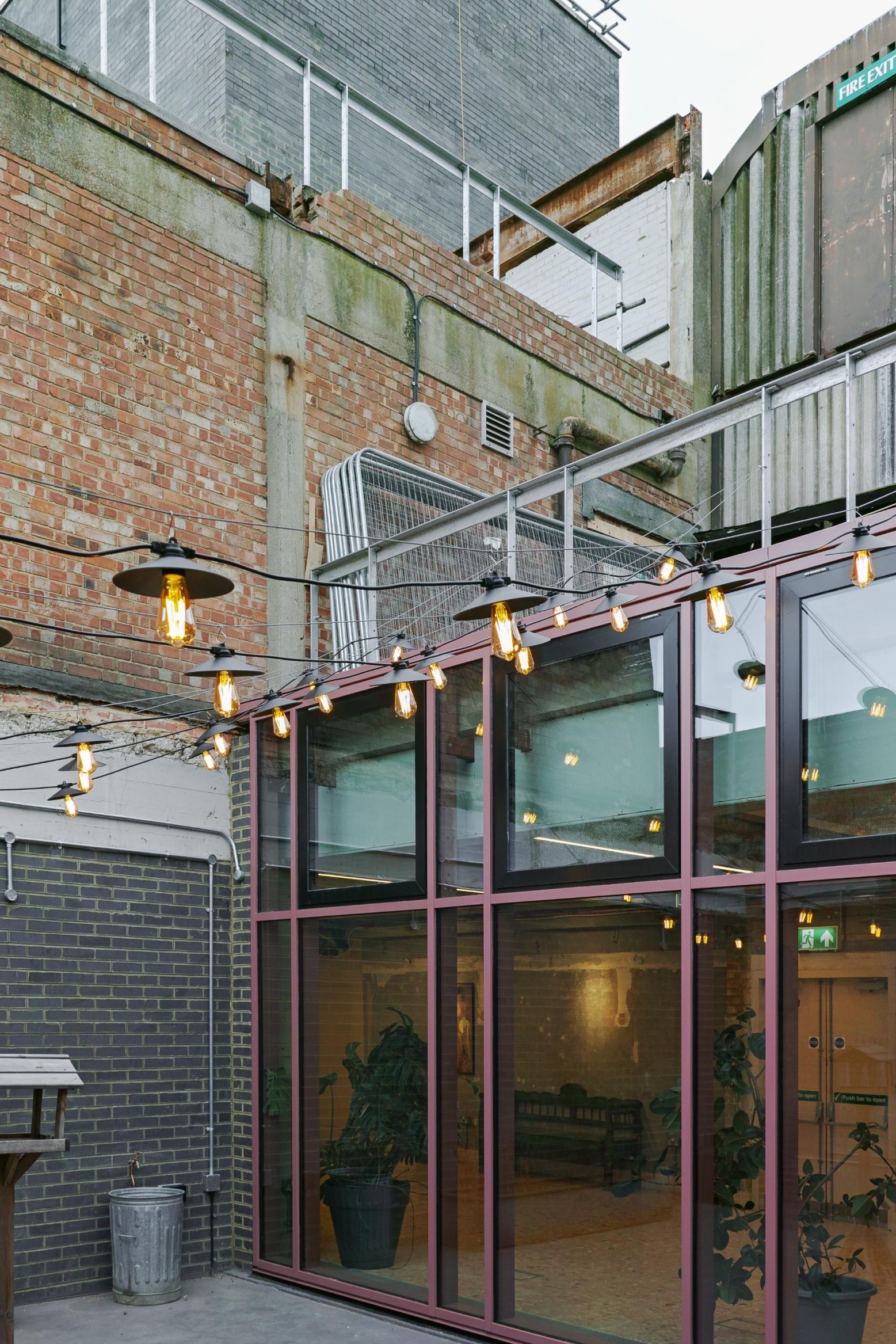
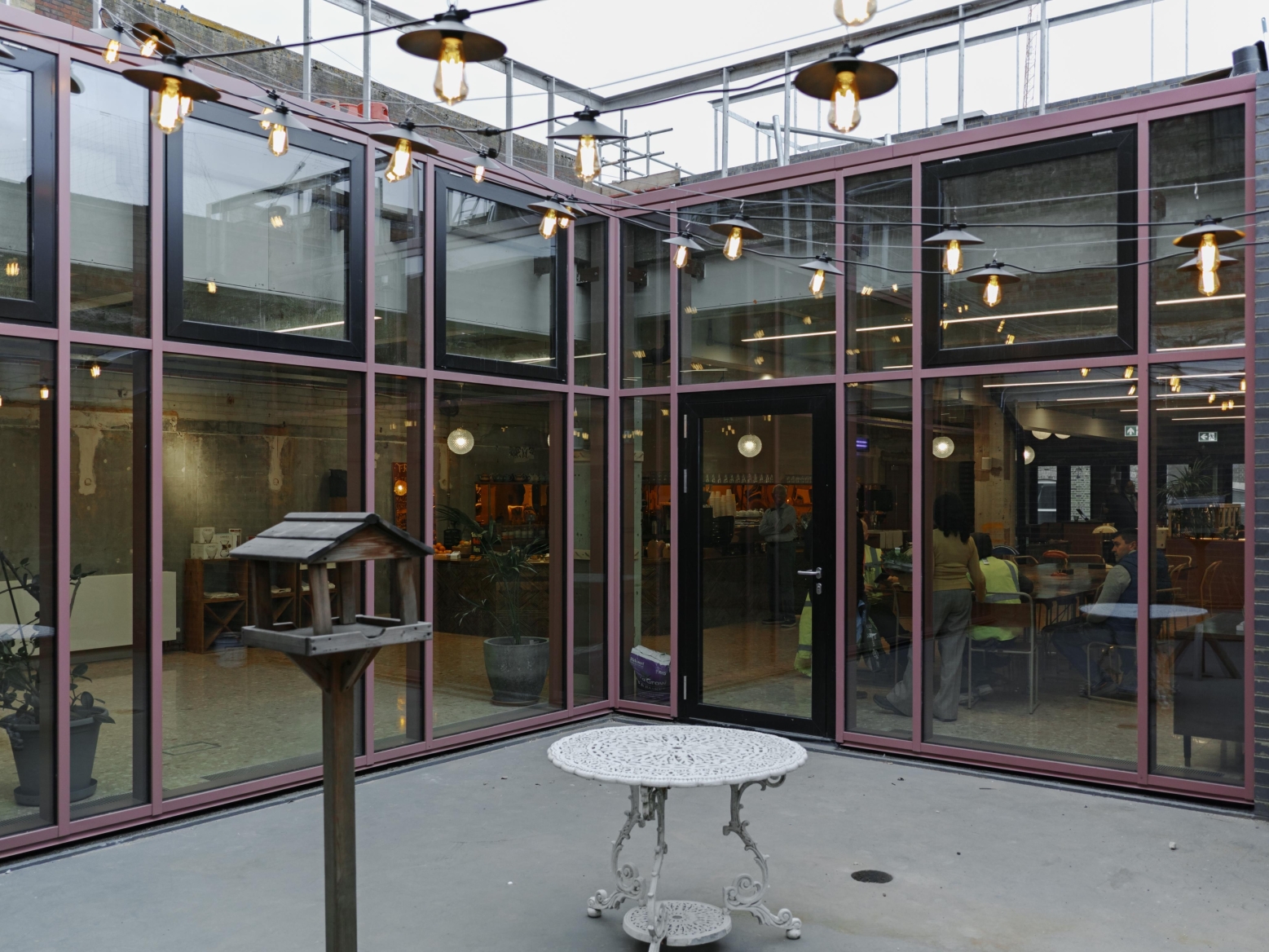
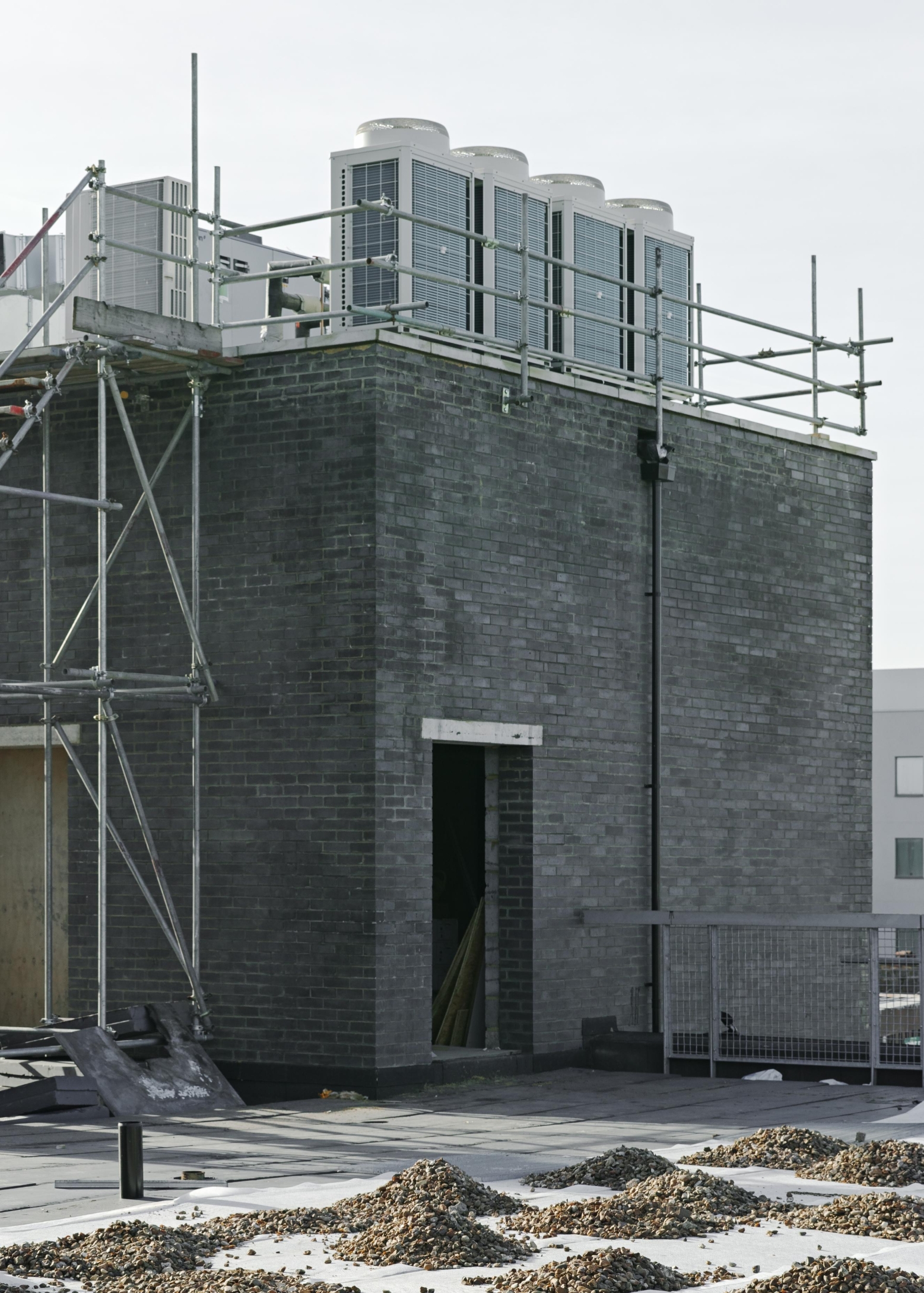
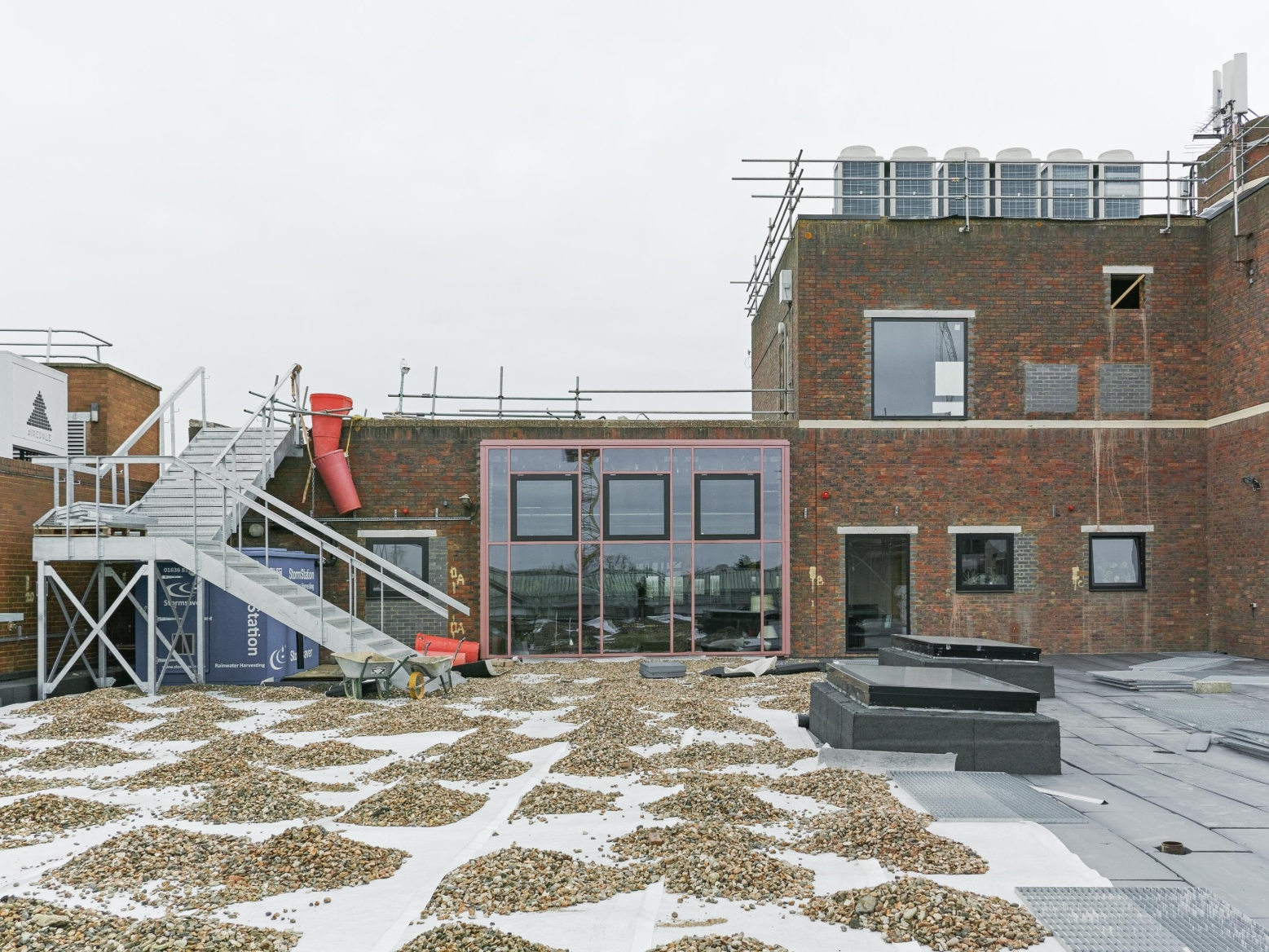
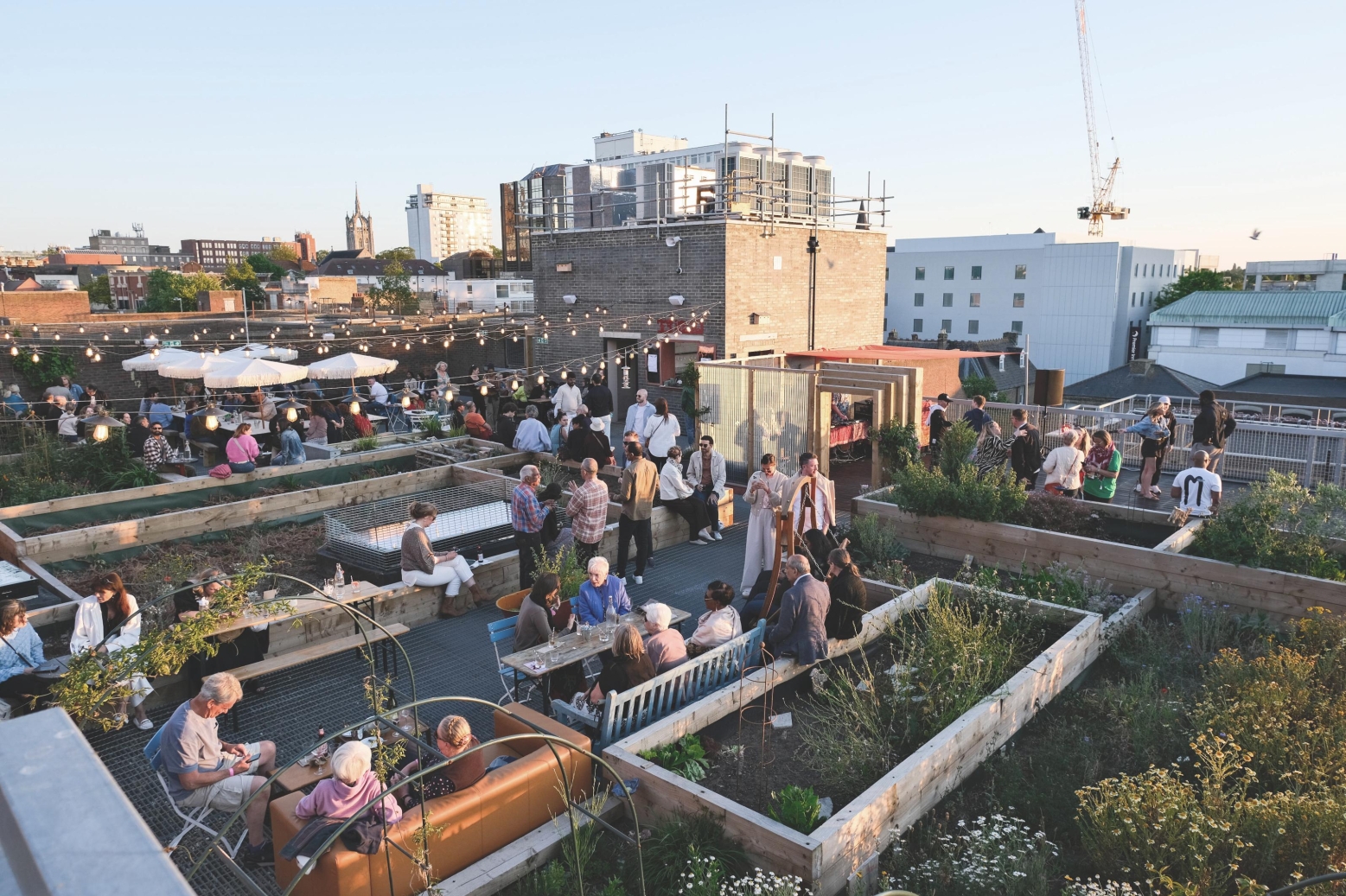
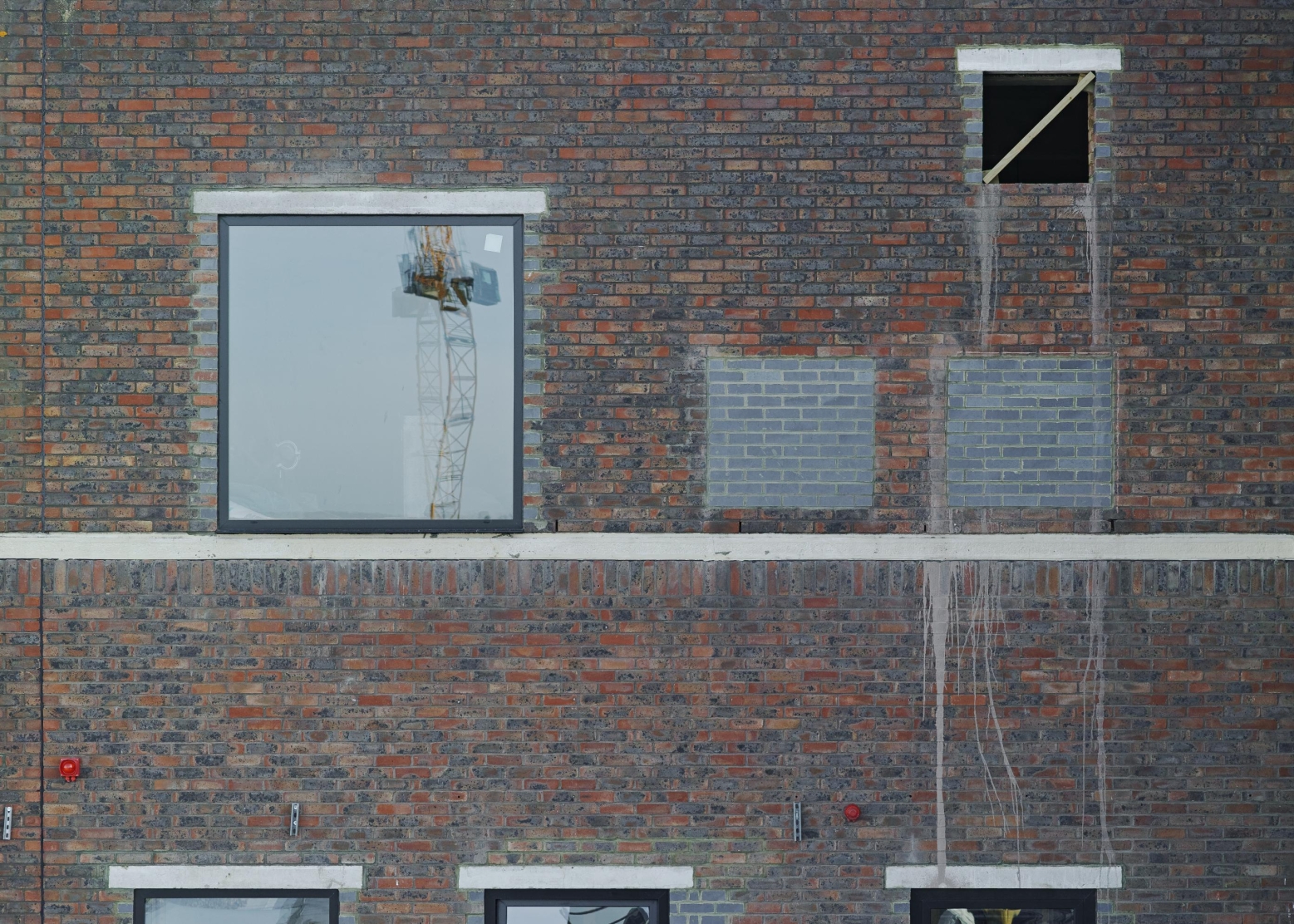
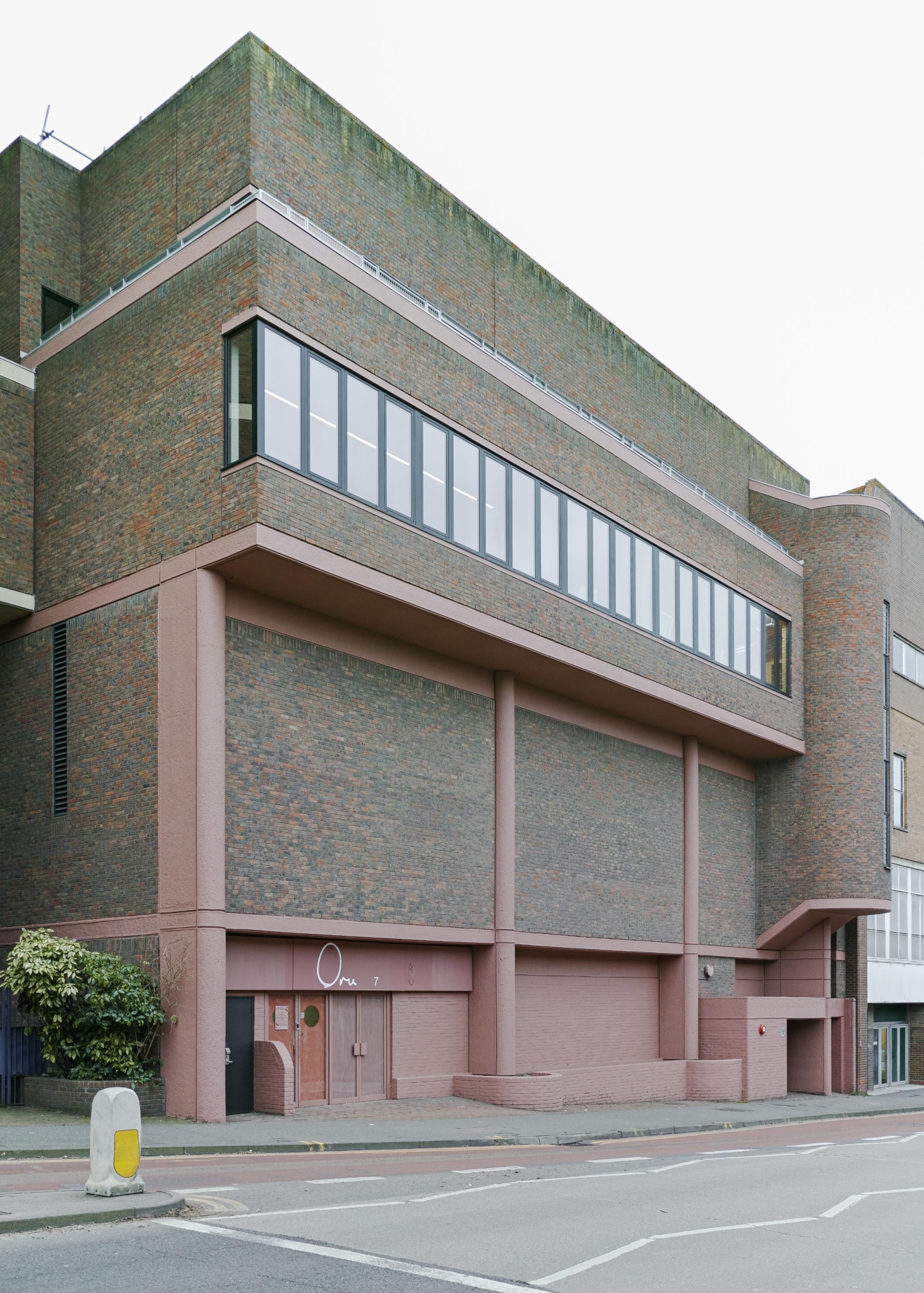
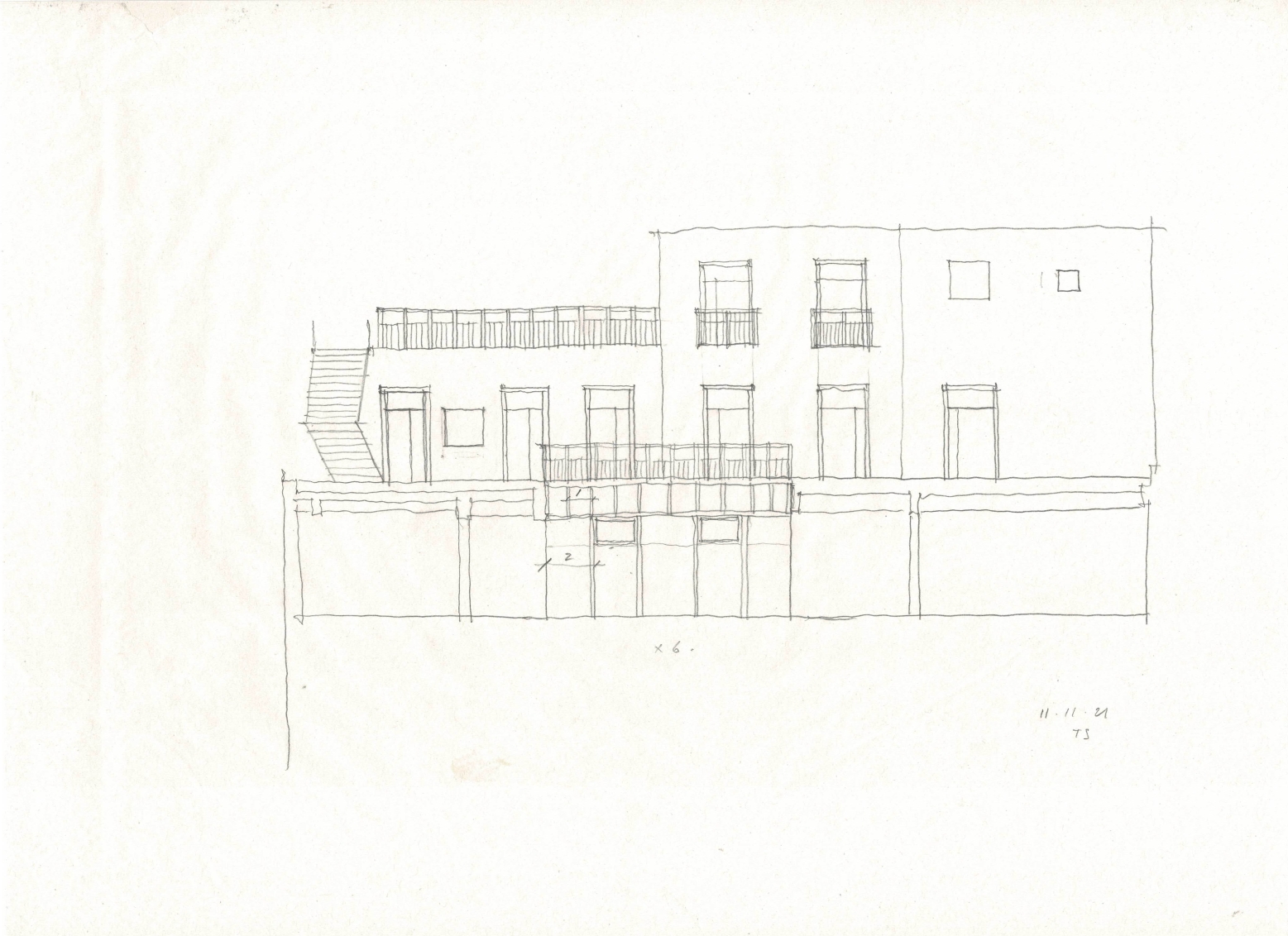
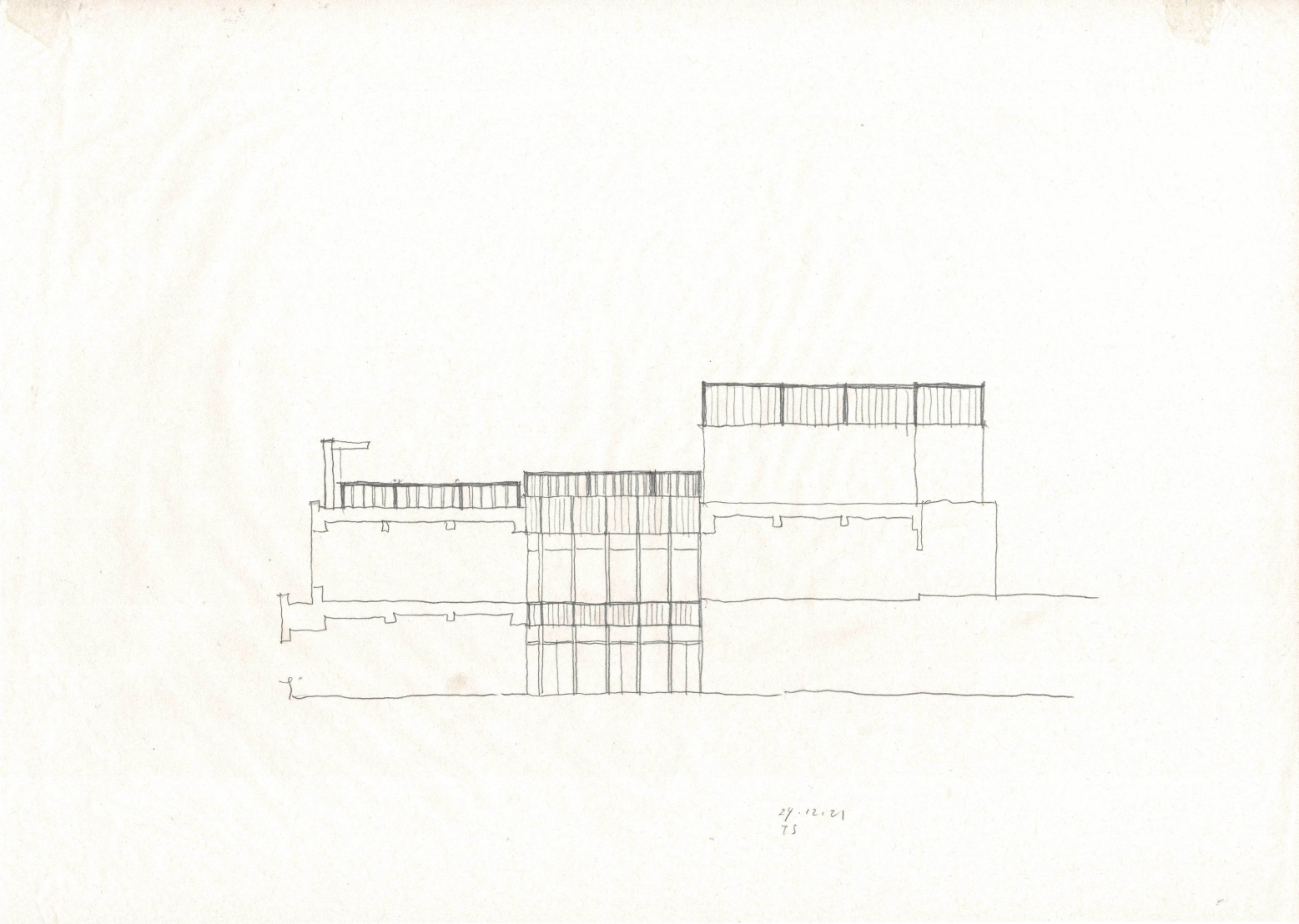
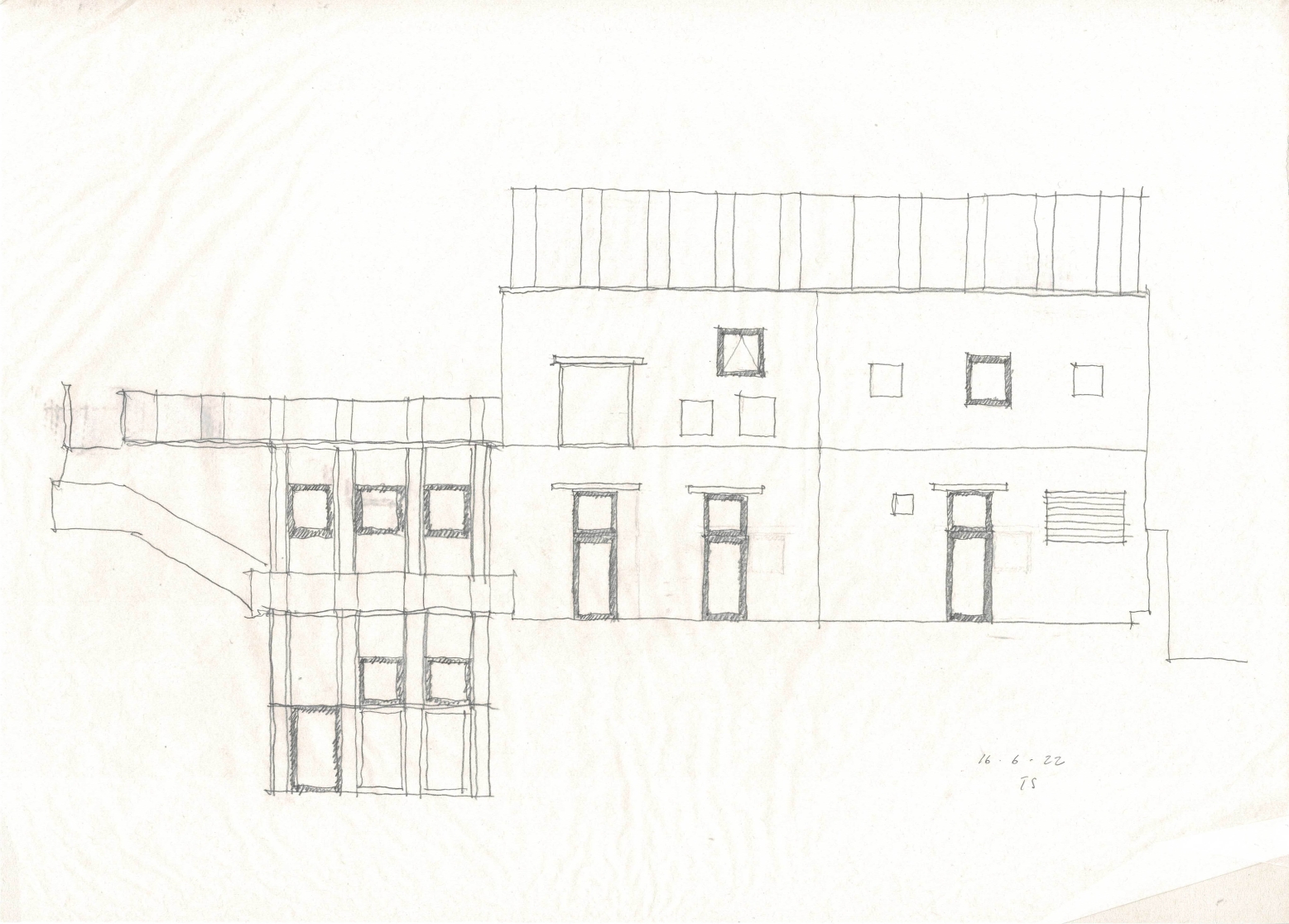
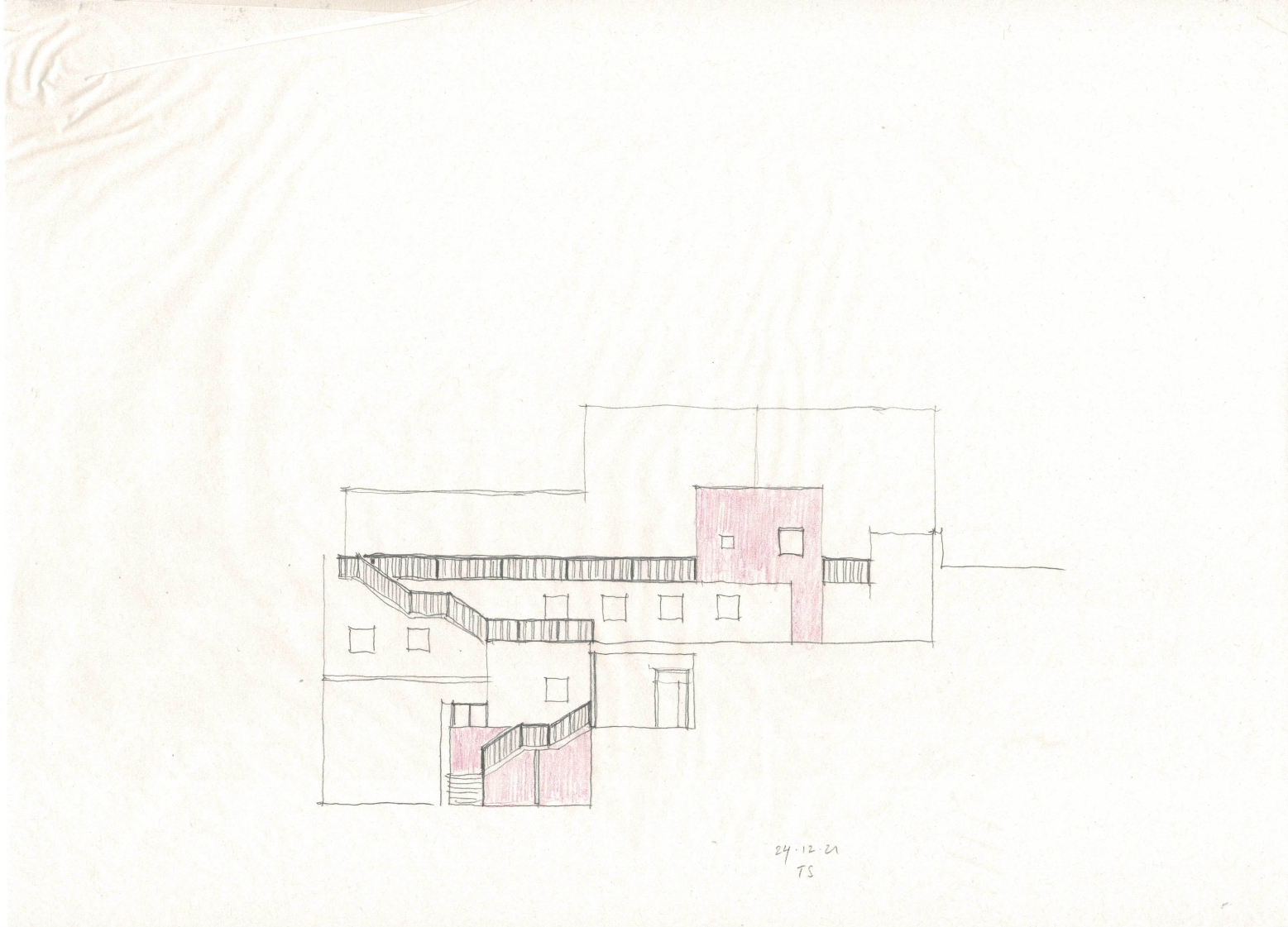
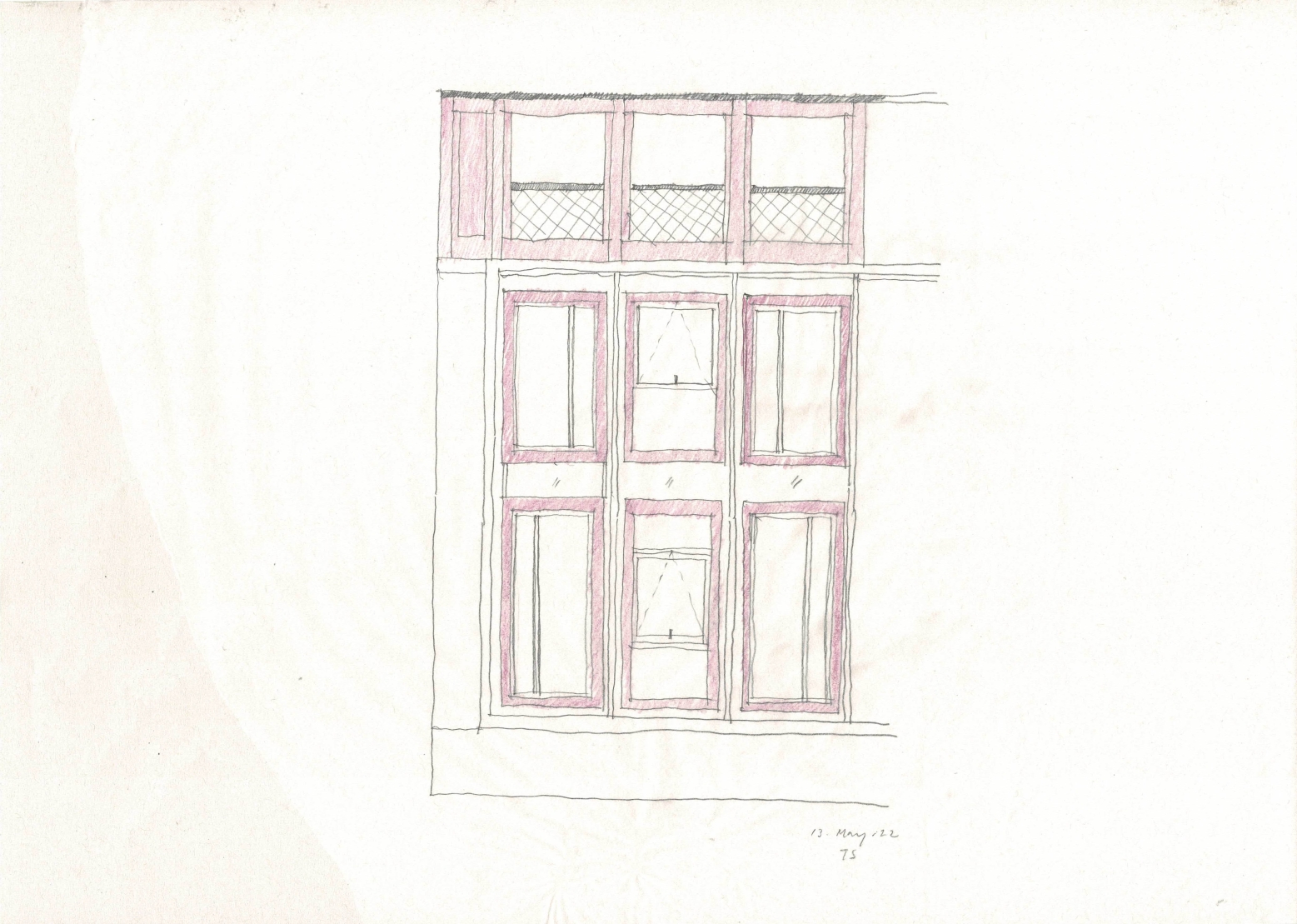
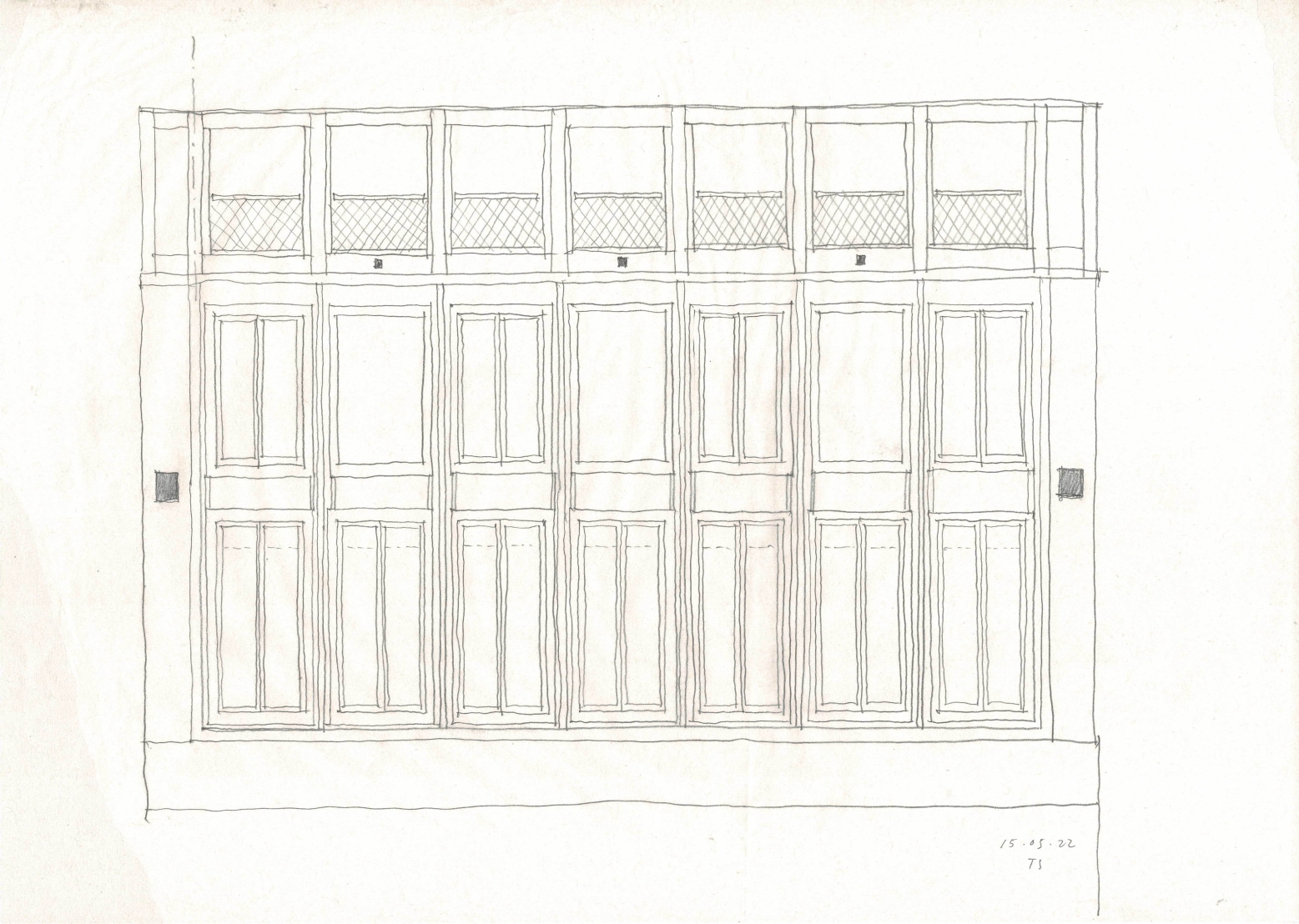
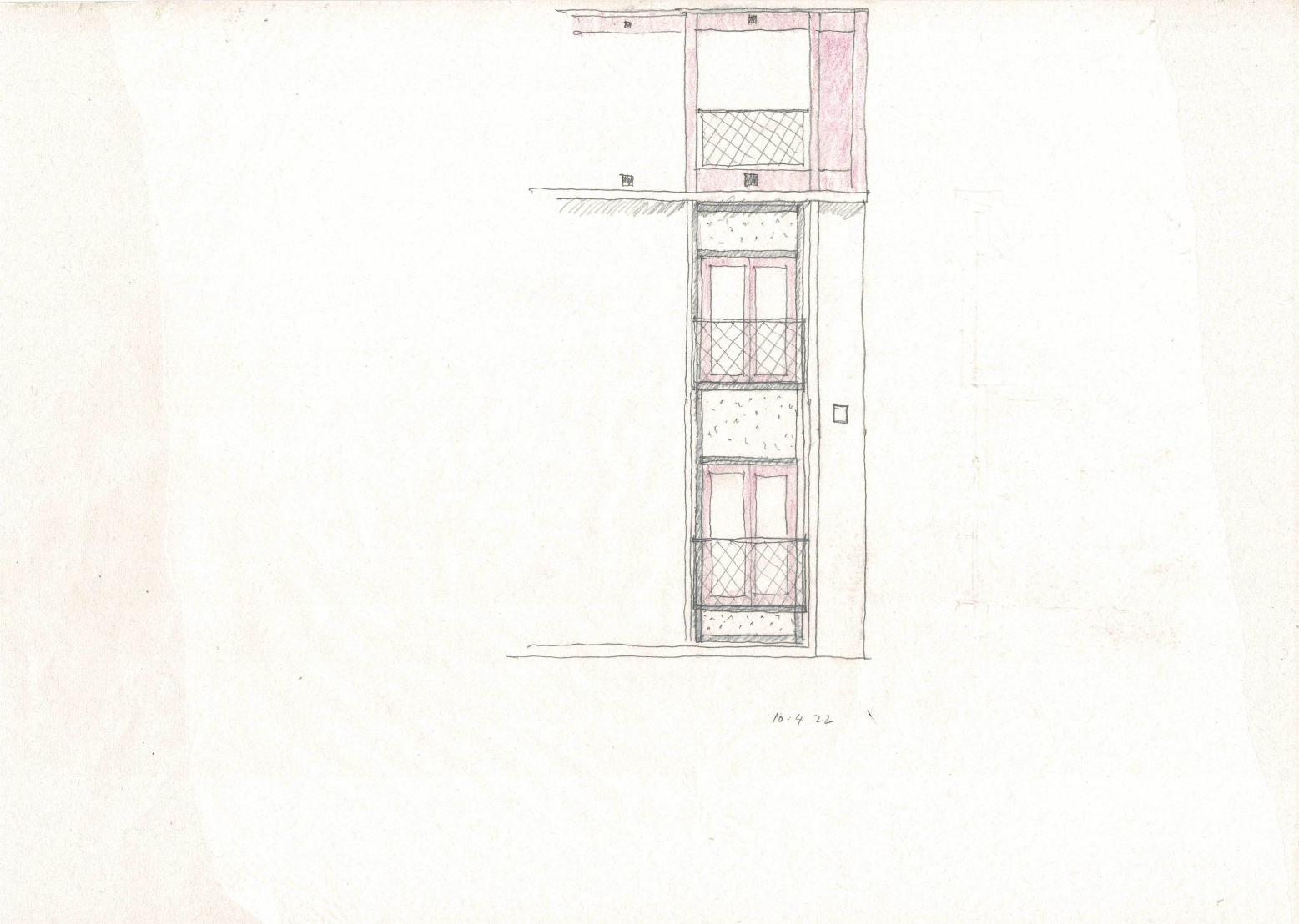
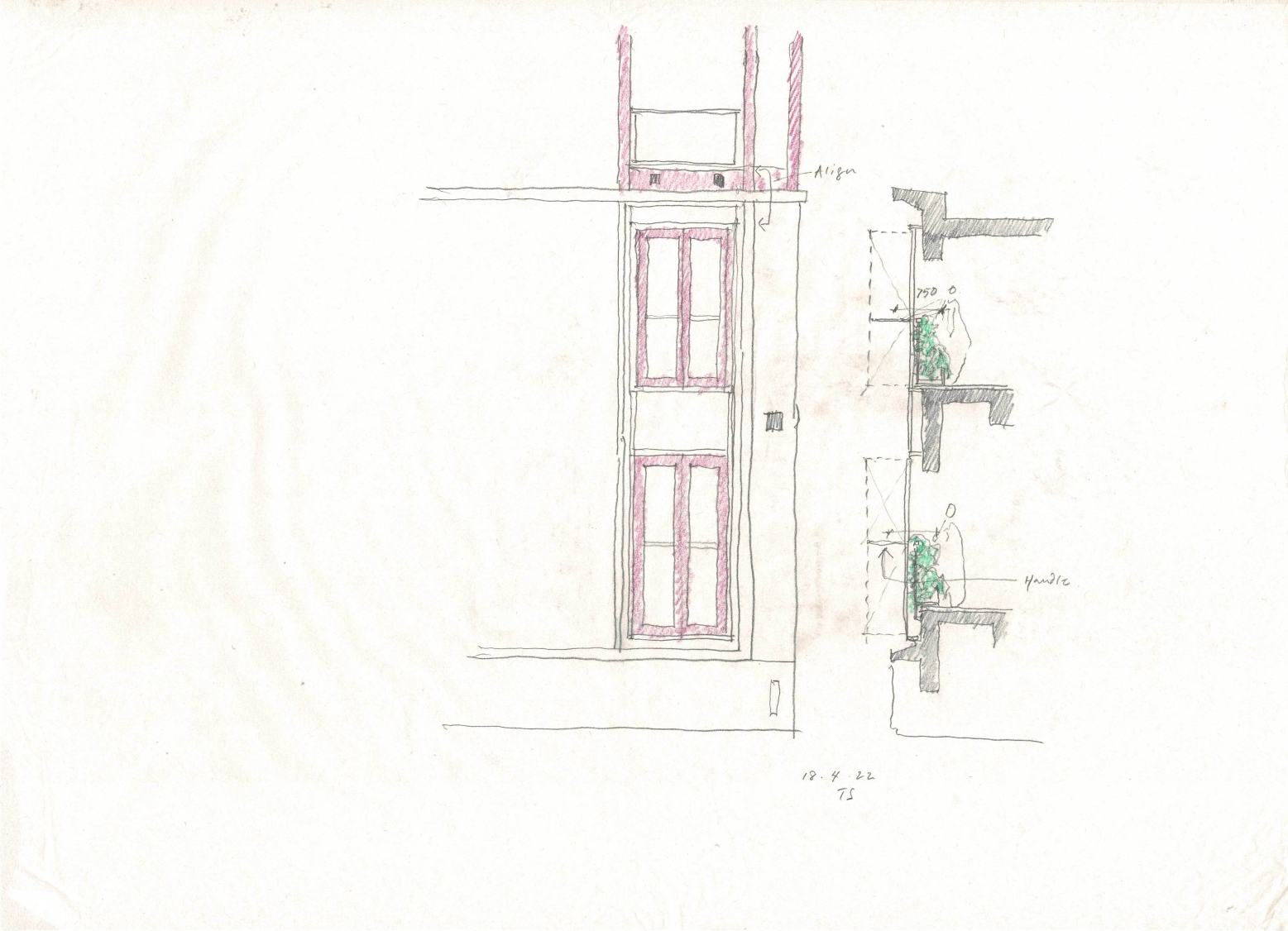
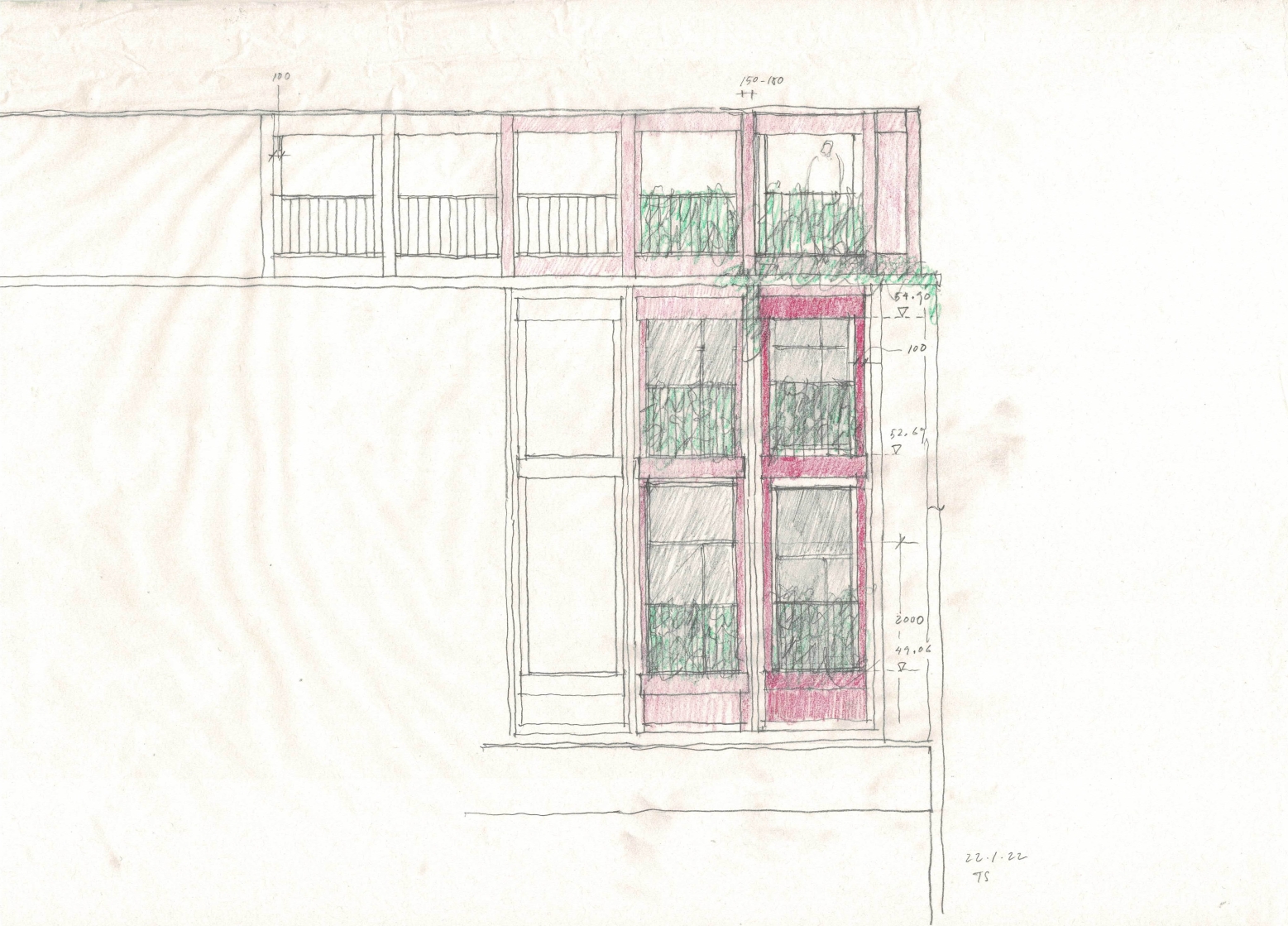
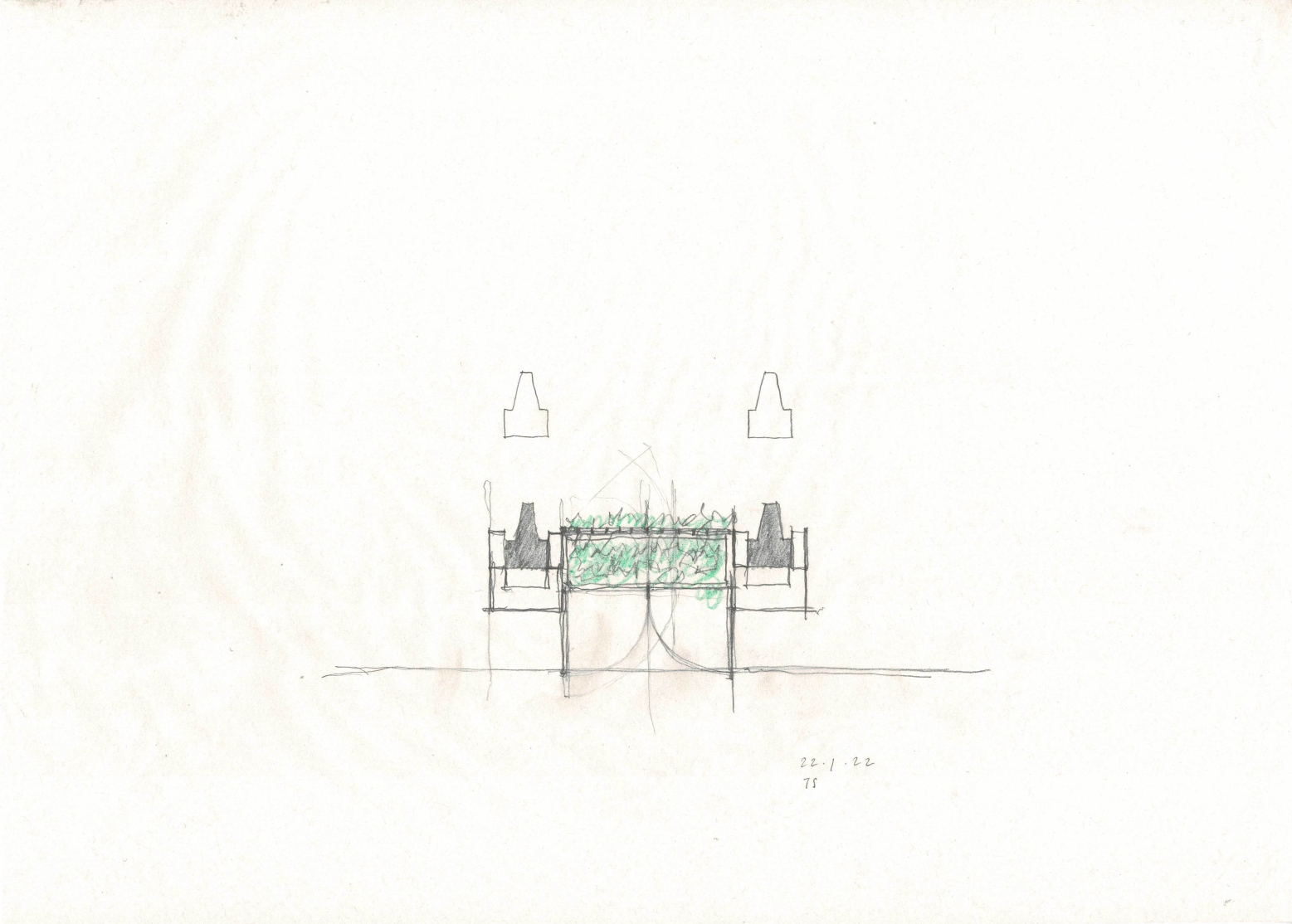
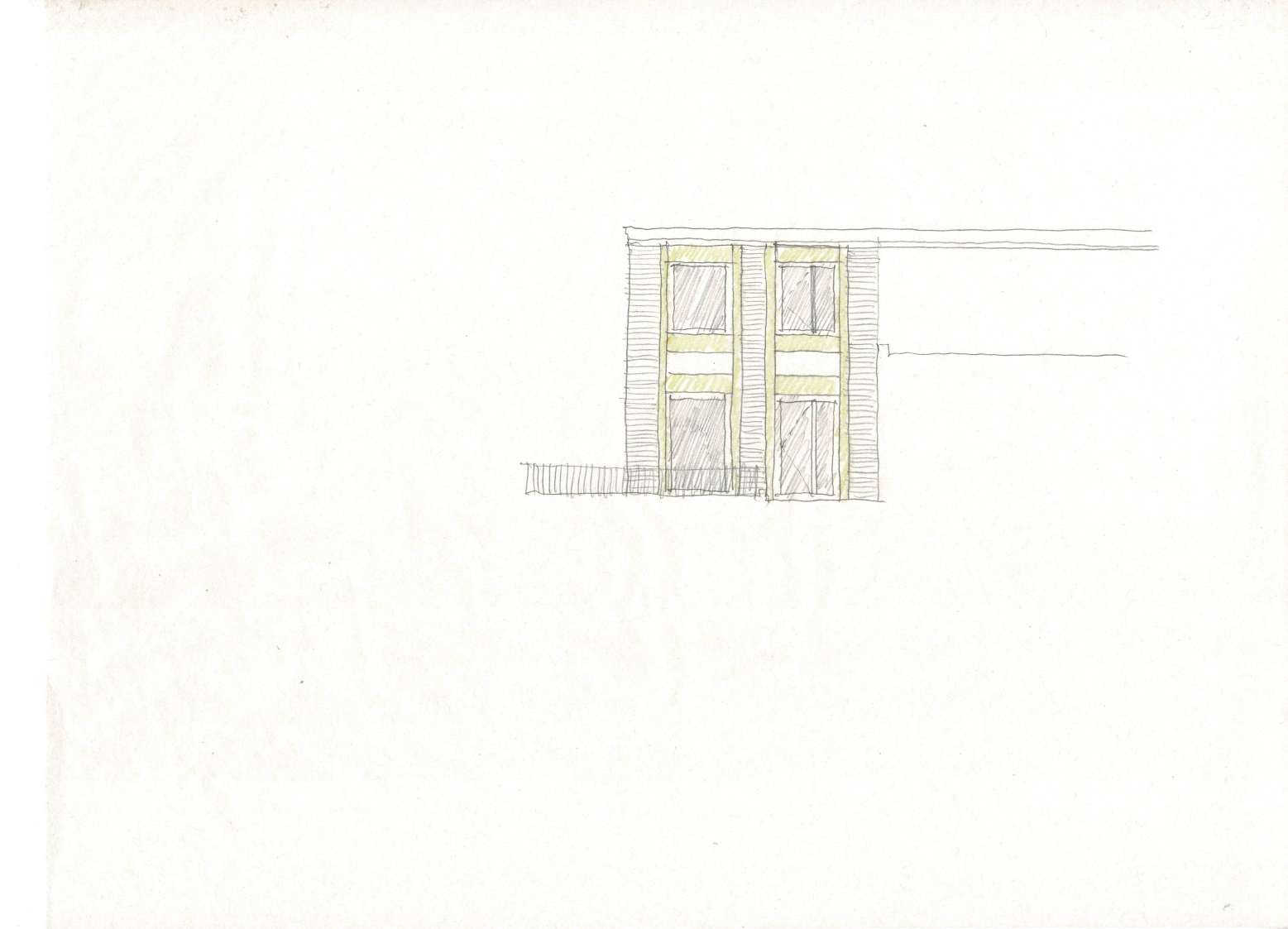
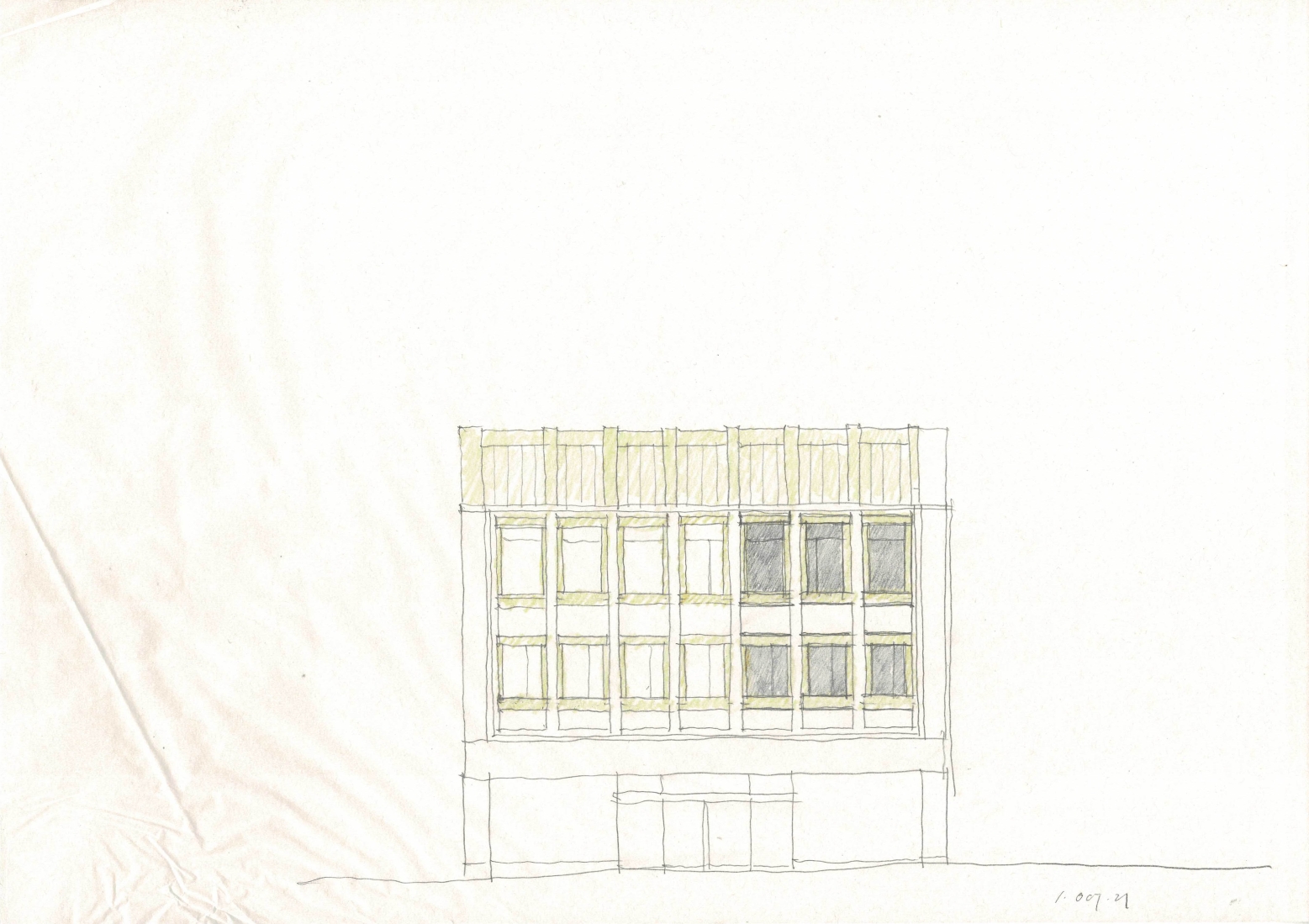
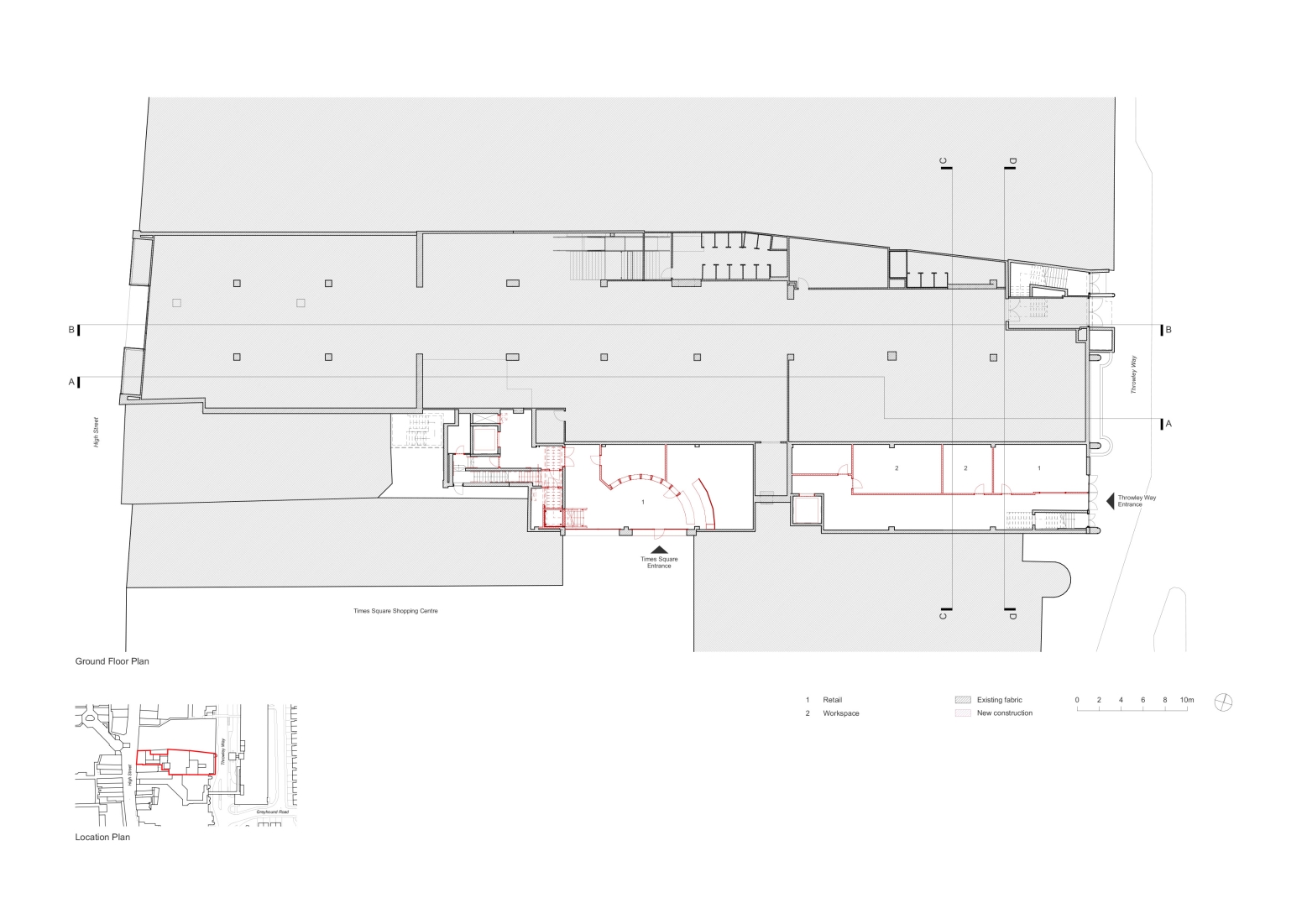
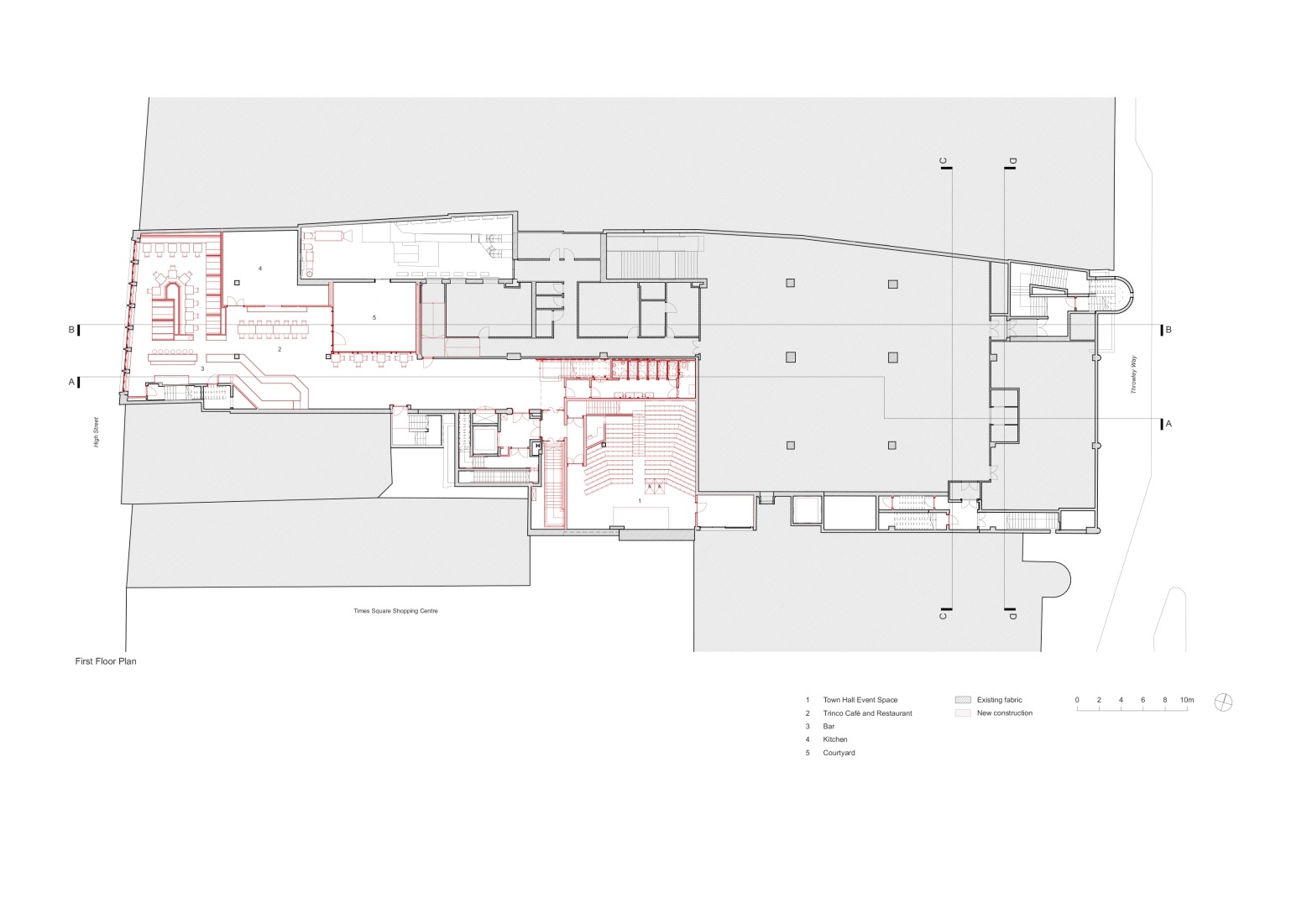
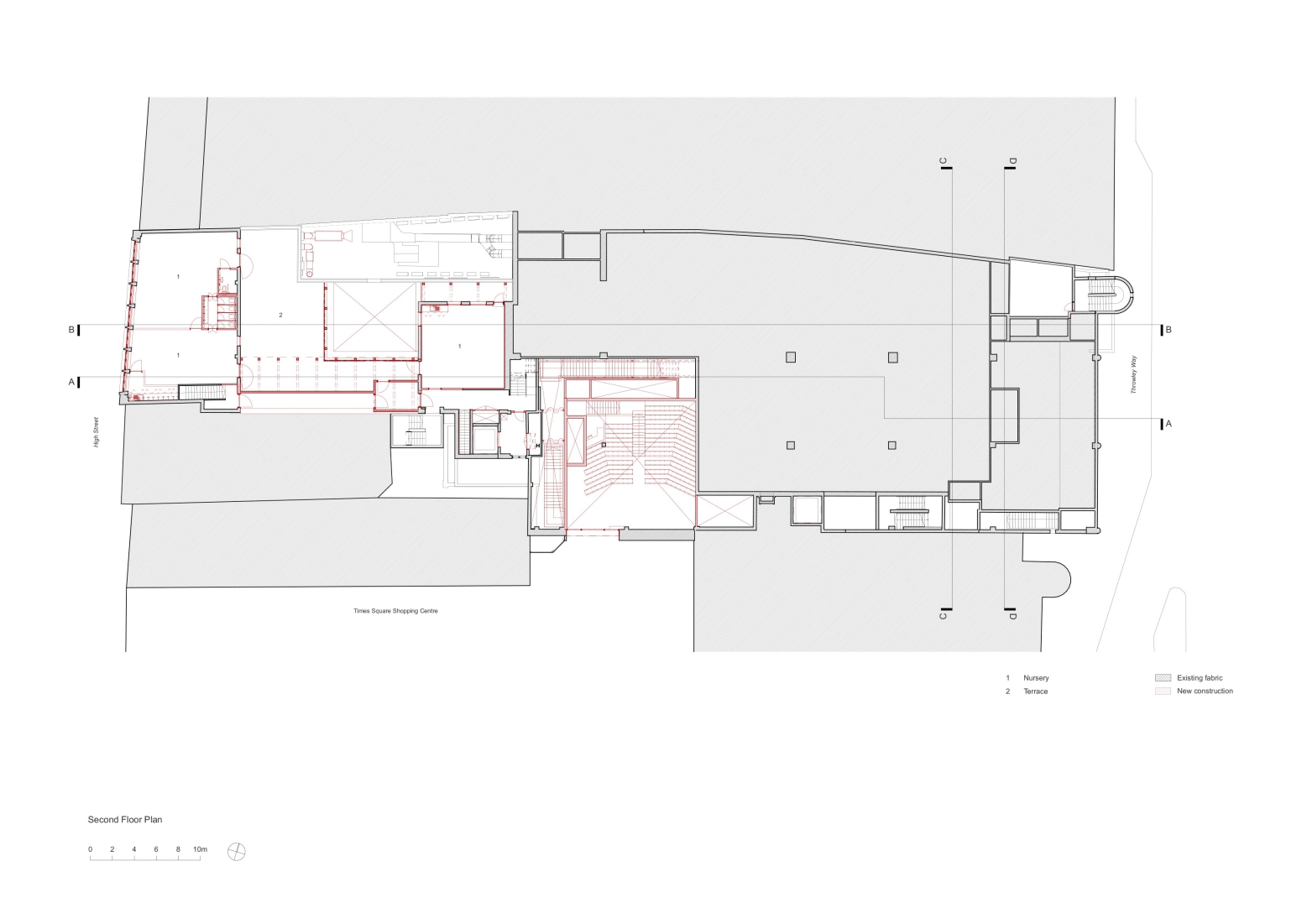
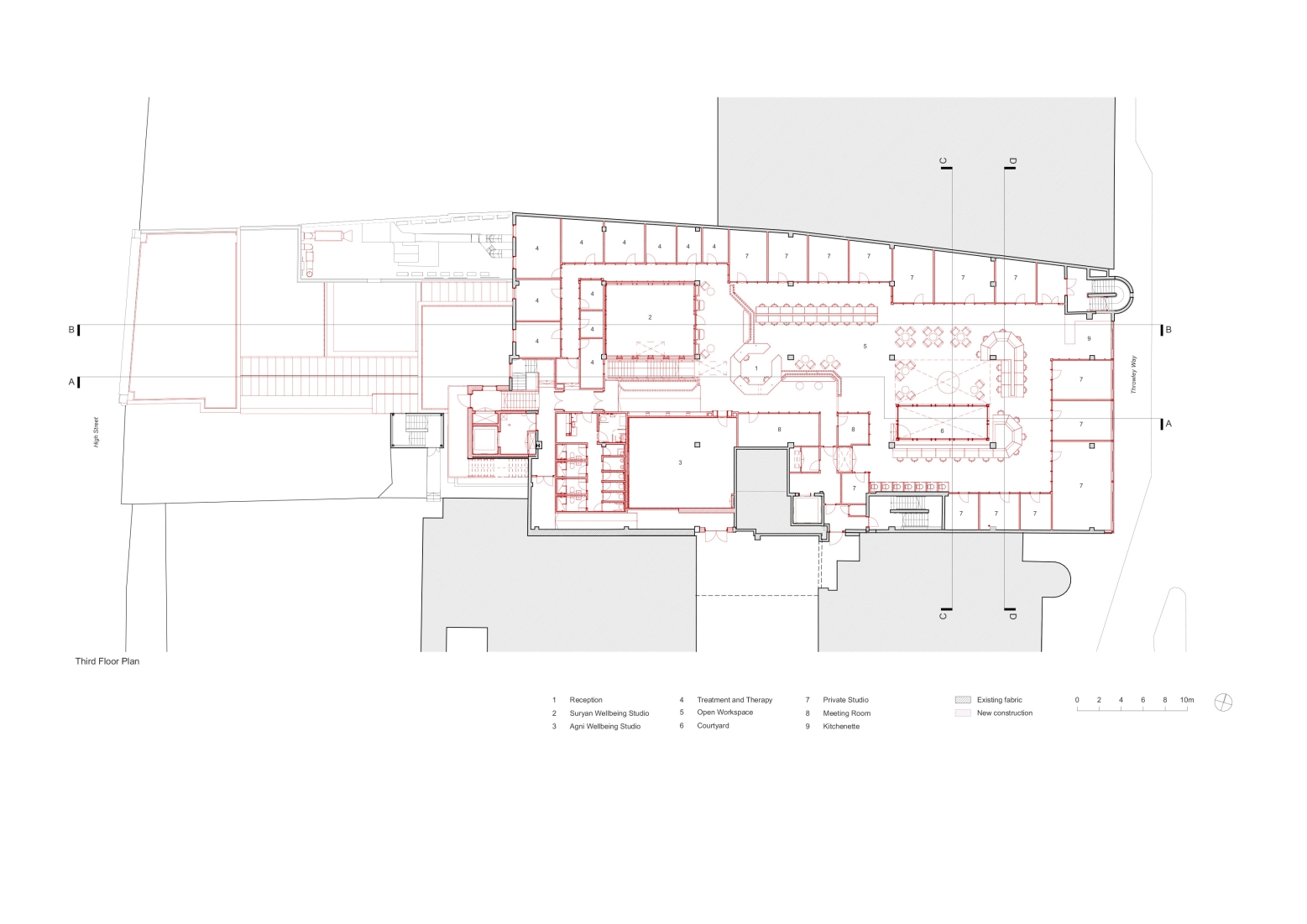
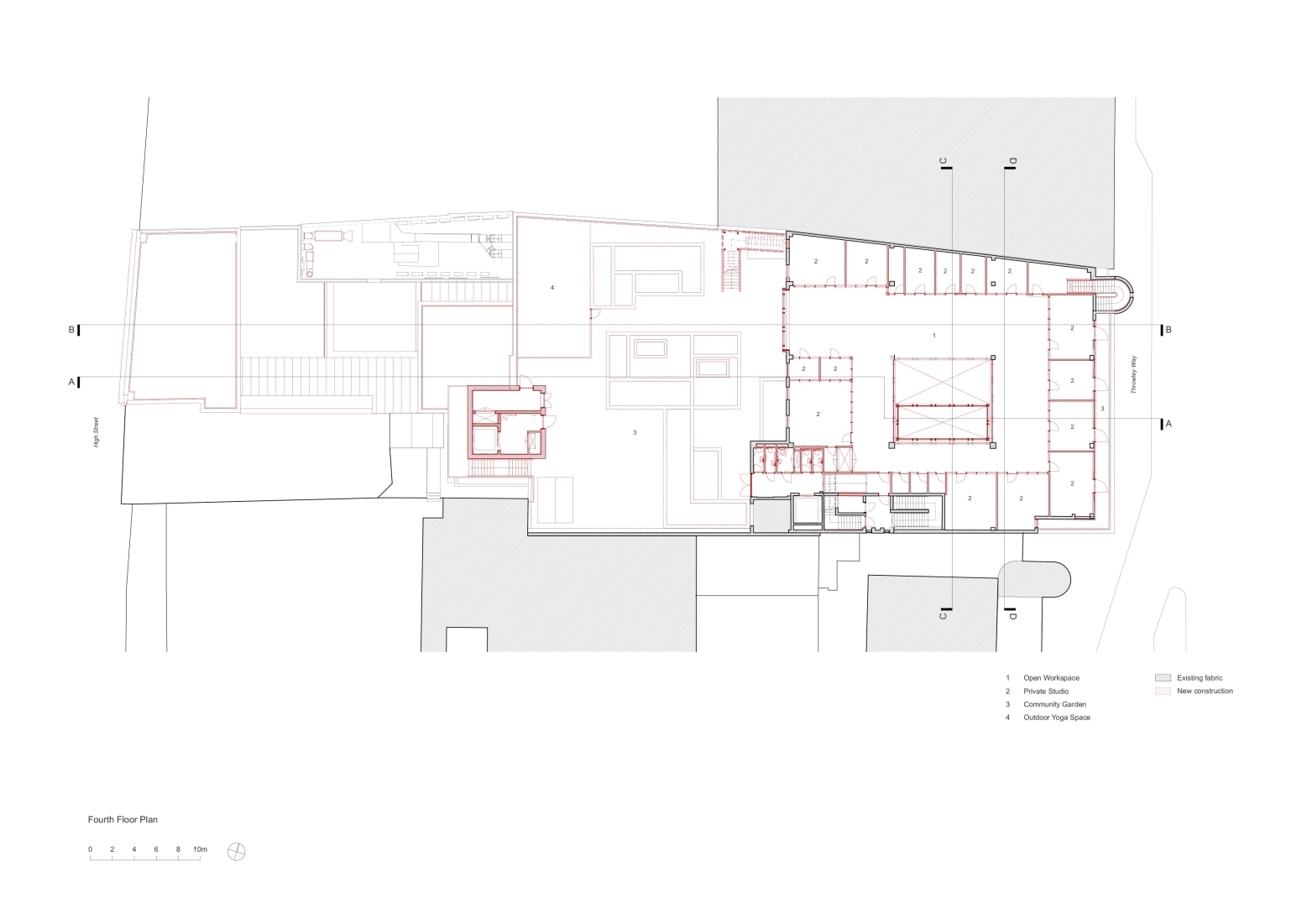
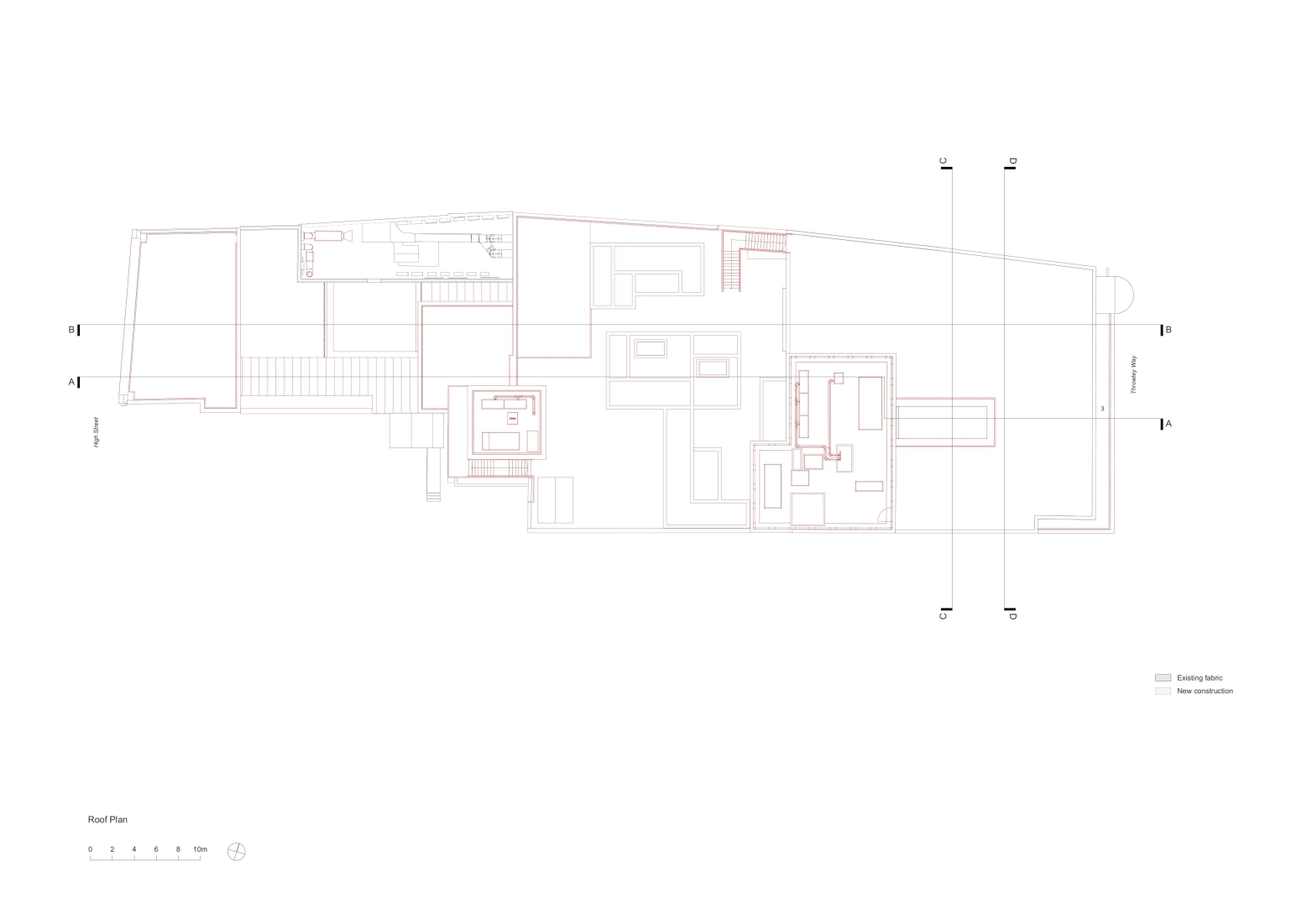
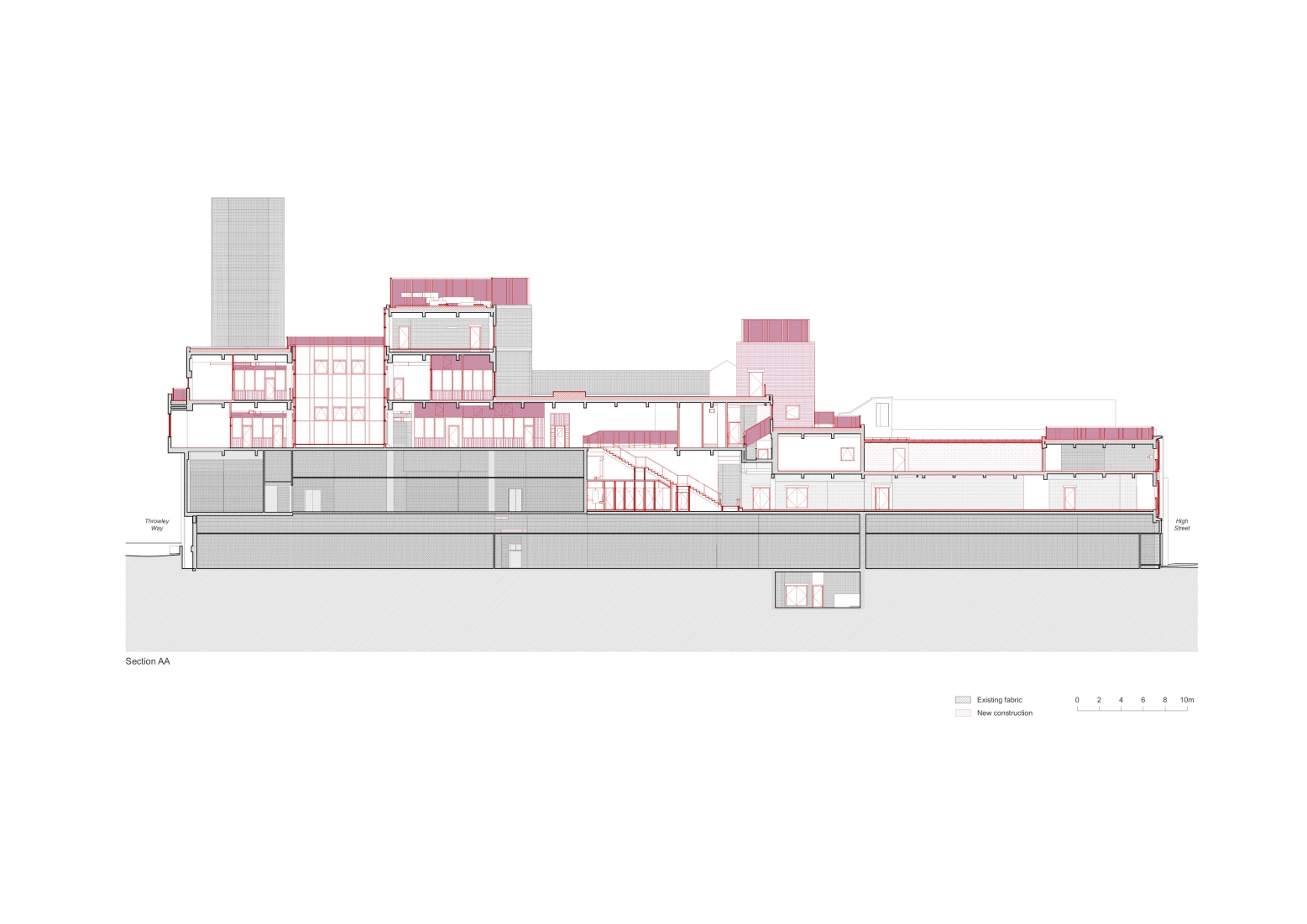
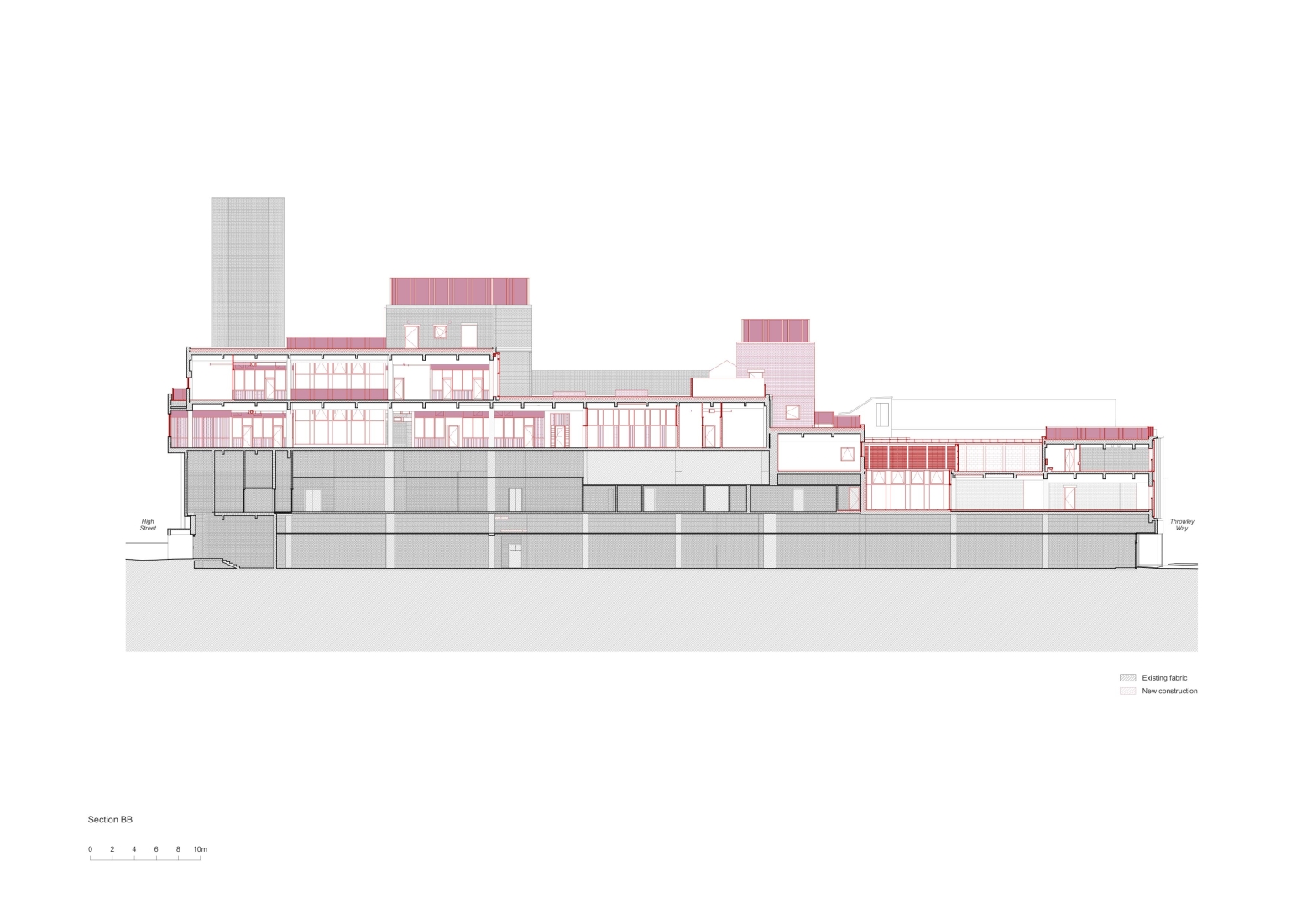
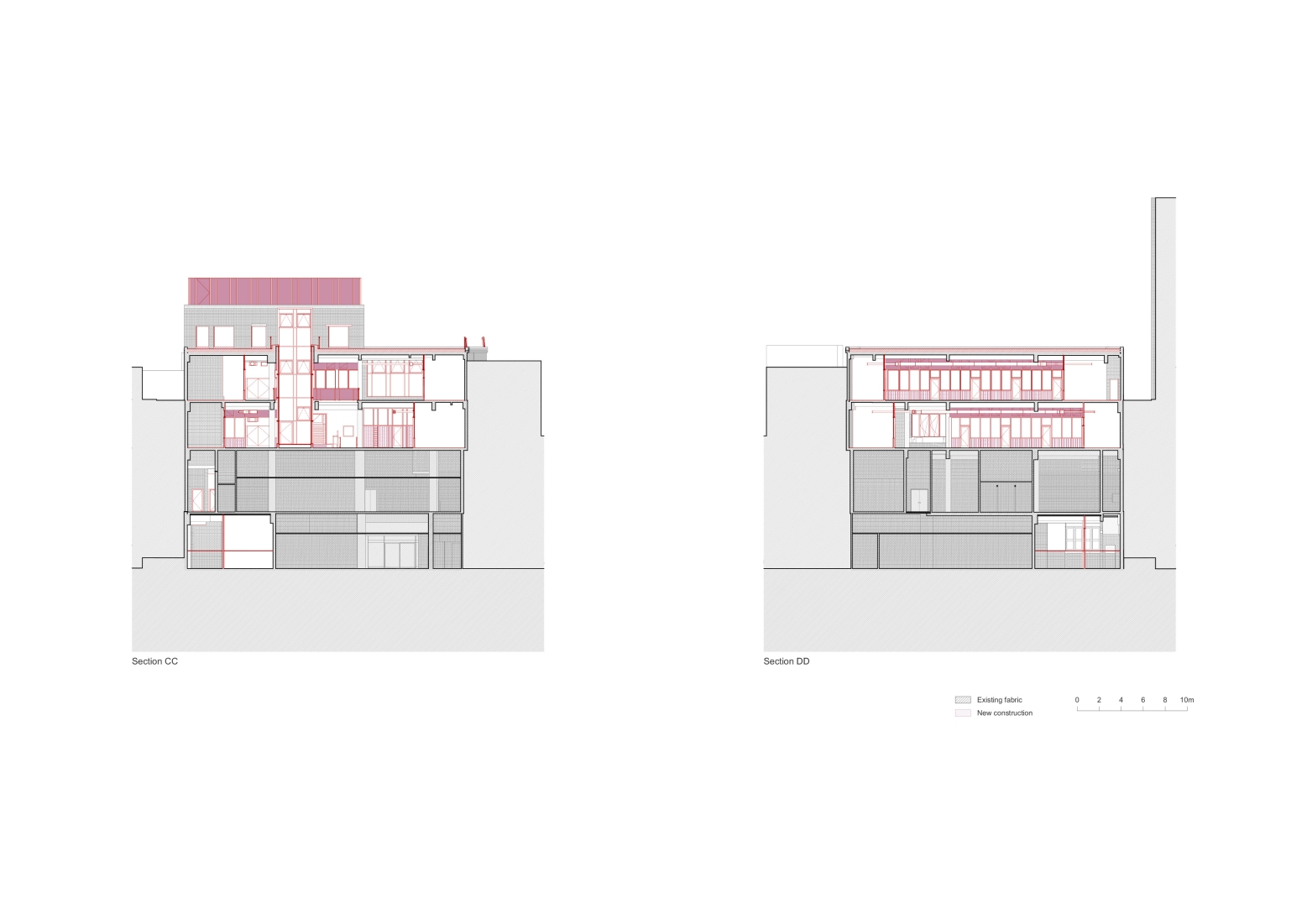
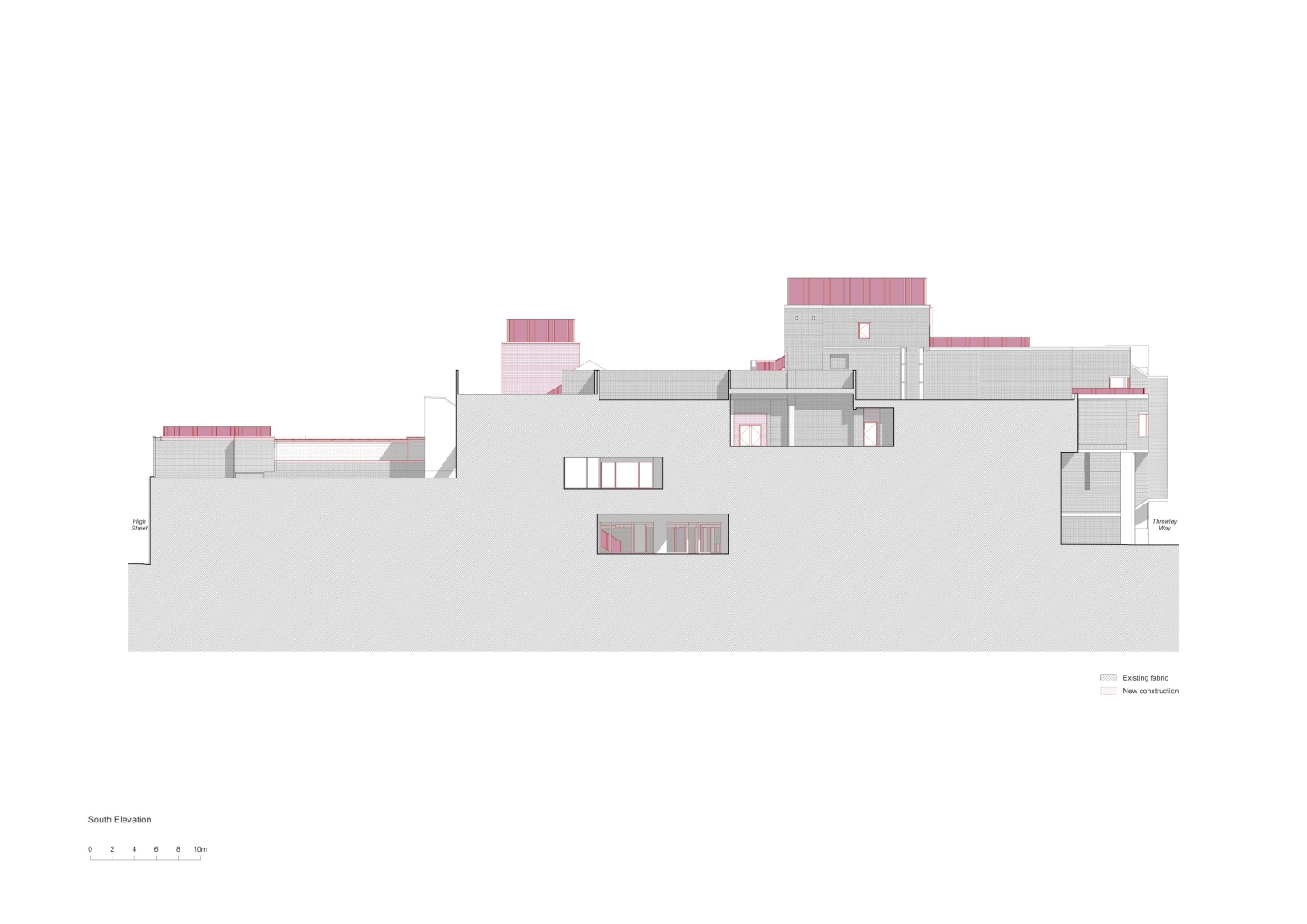
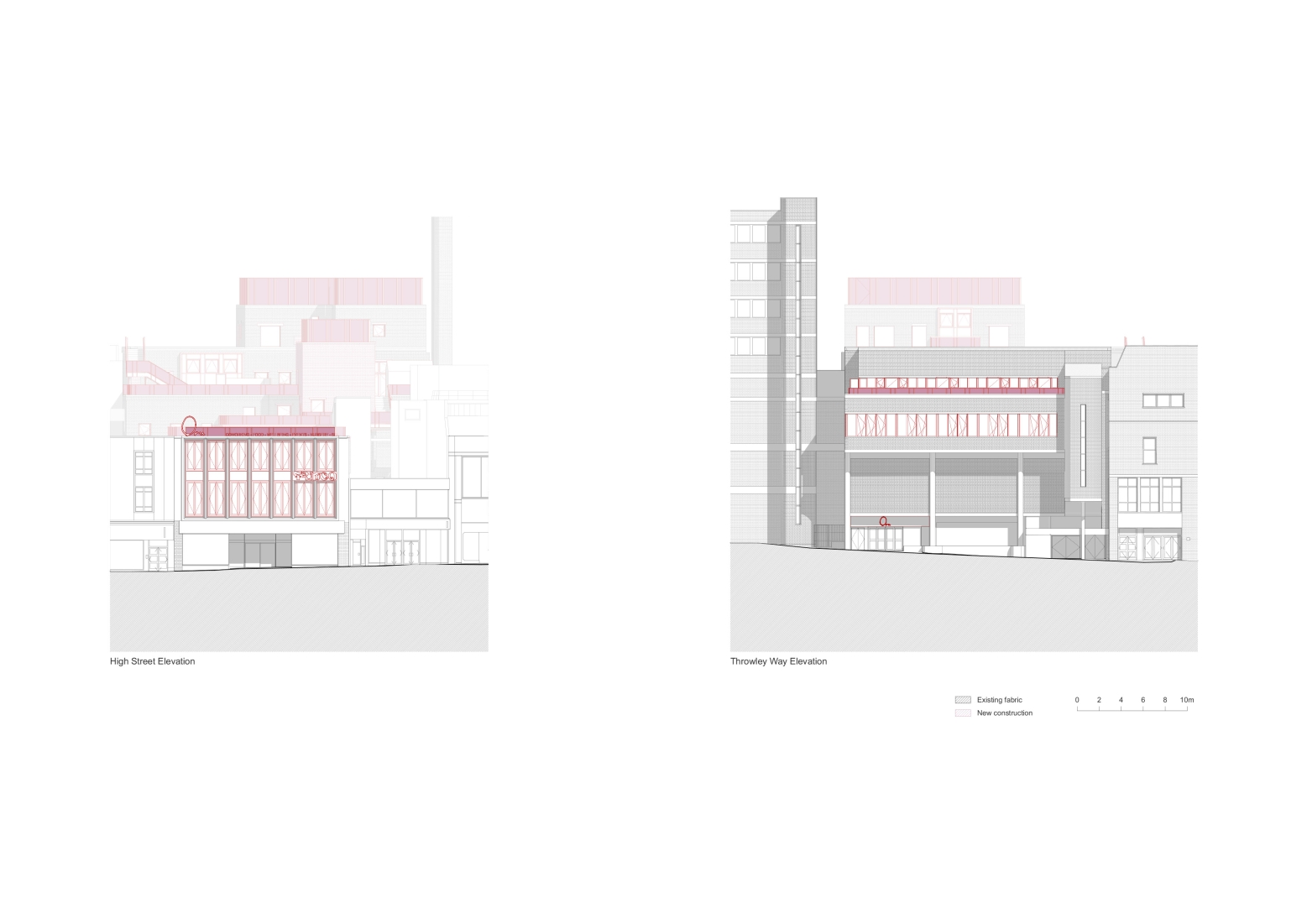
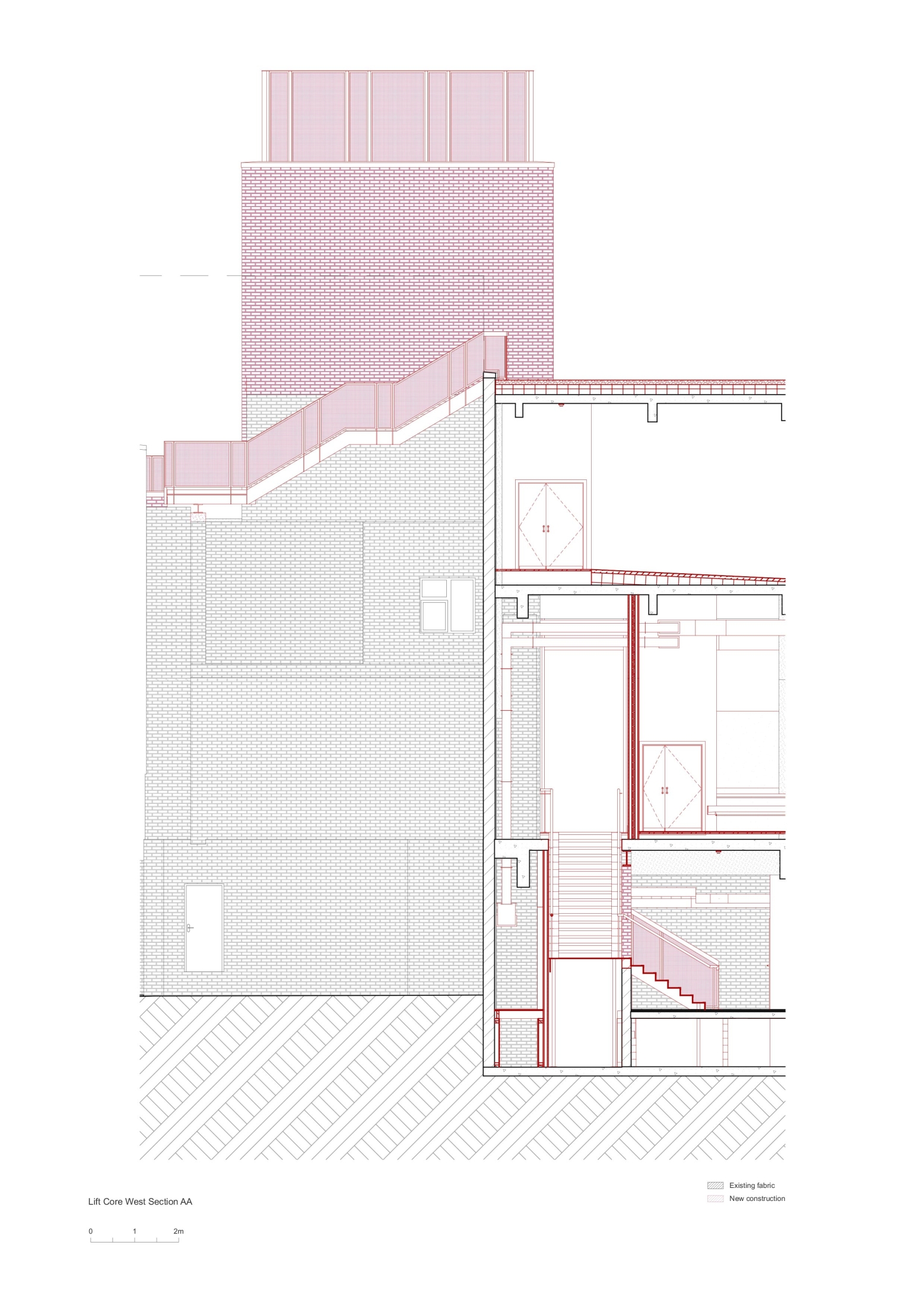
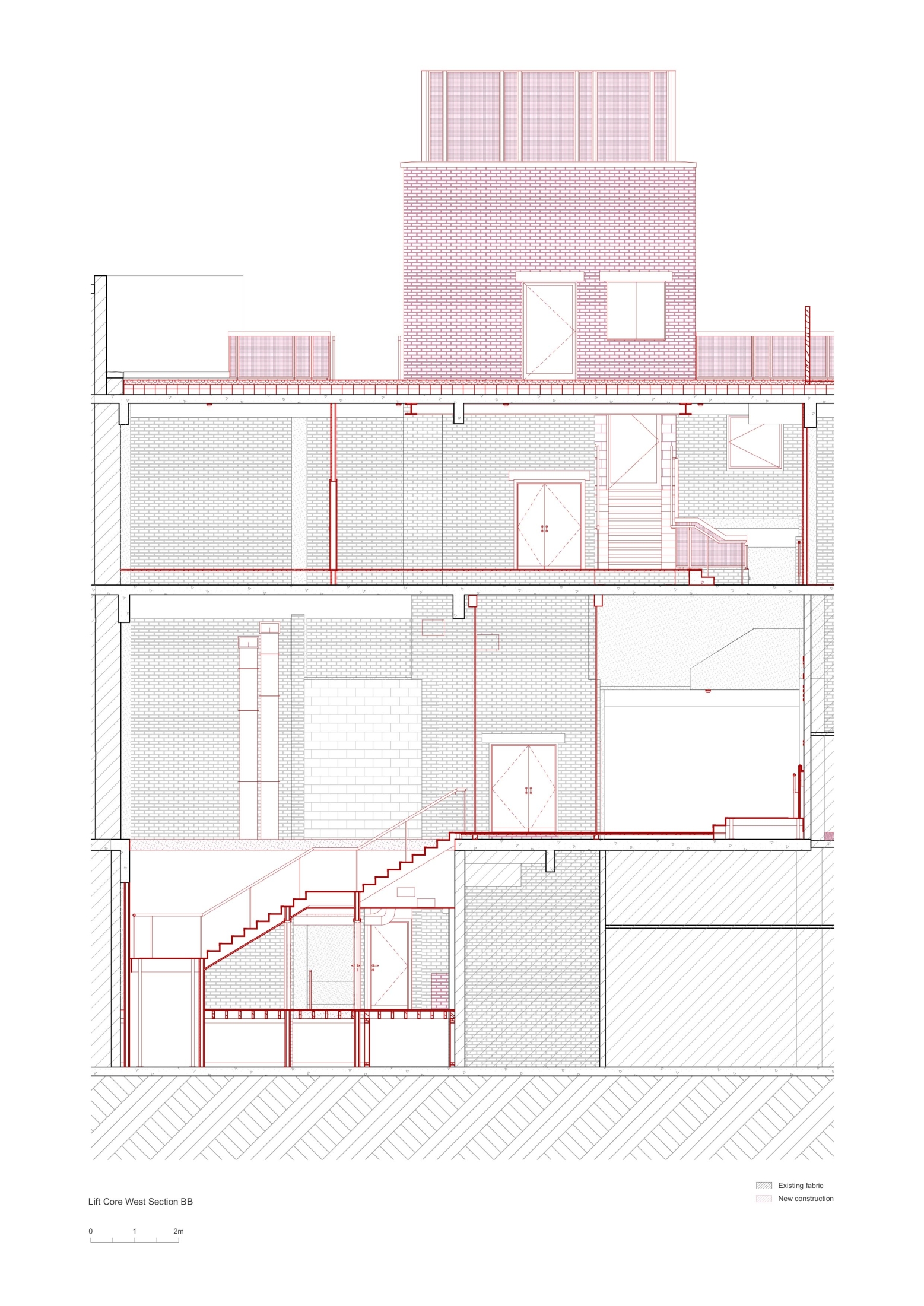
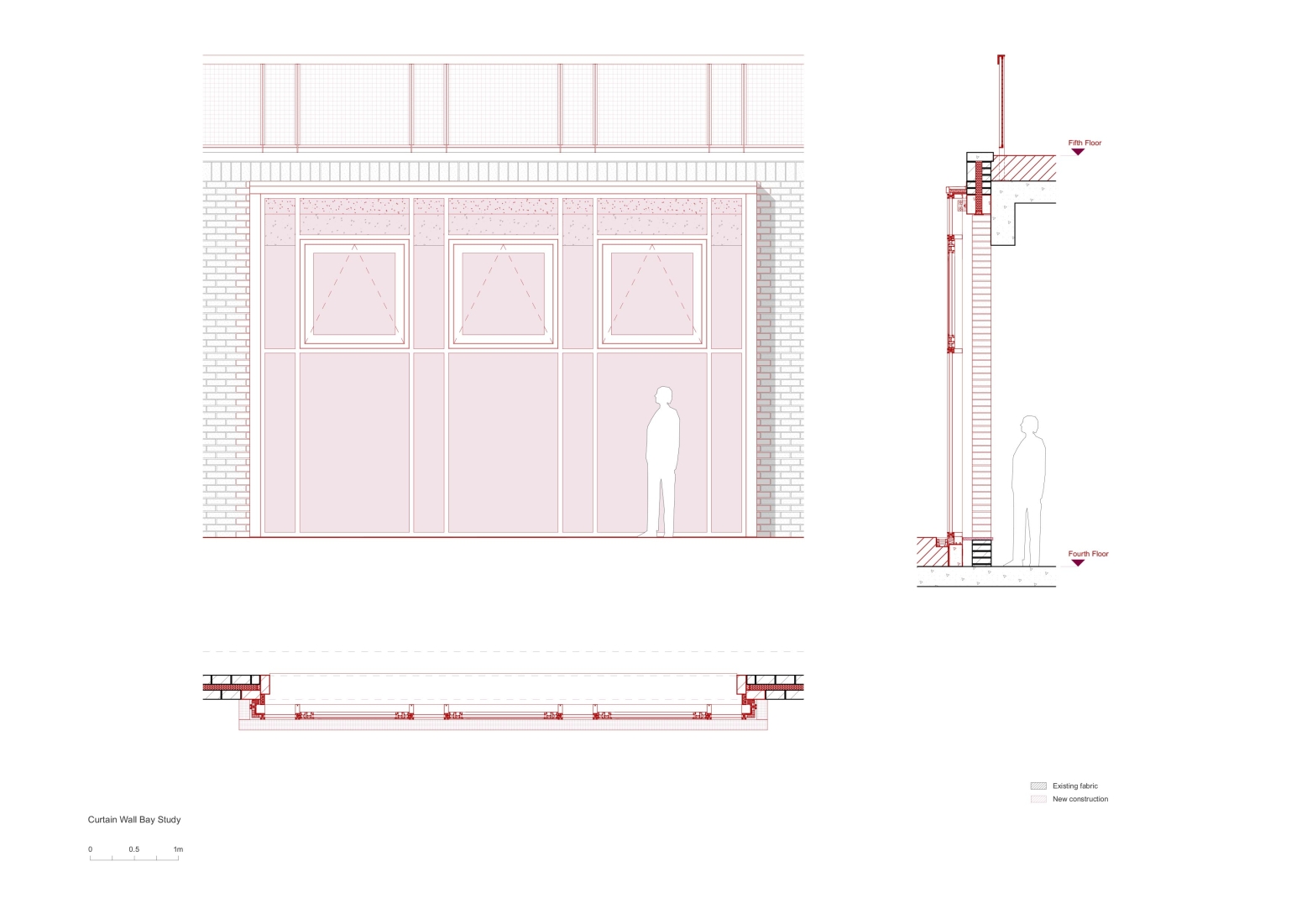
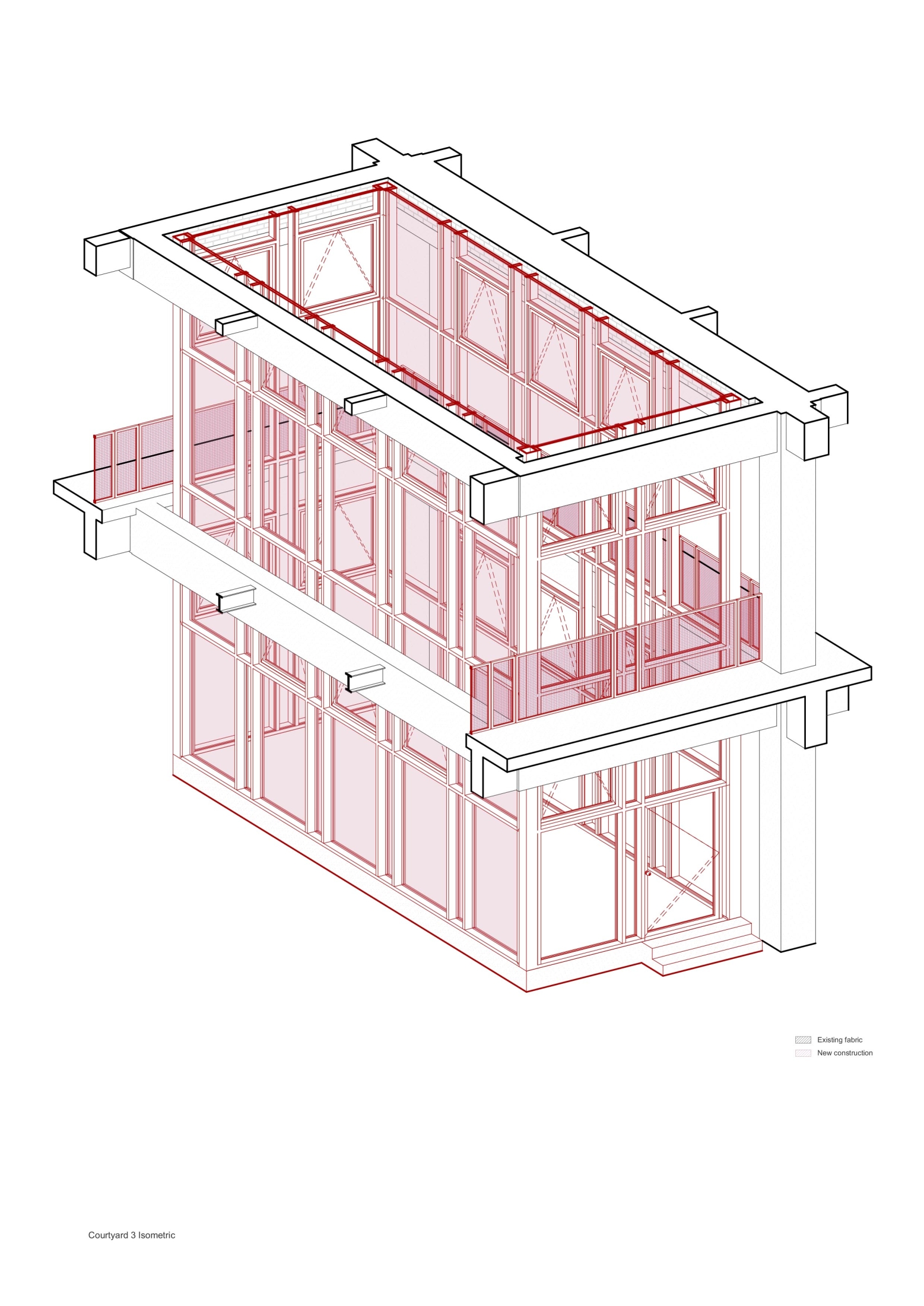
Oru Sutton is a mixed-used commercial development occupying parts of a former BHS department store located on Sutton High Street in southwest London. The architectural design of the project was undertaken as a collaboration between Samuel Chisholm Studio and Takero Shimazaki Architects (t-sa) for client Oru Space, a socially conscious and ‘purpose driven’ company whose business comprises the offering of co-working space, retail, wellbeing and hospitality. Oru was founded by Paul Nelmes and Vibushan Thirikumar, and opened their first site on Lordship Lane, East Dulwich in 2020. Additional project funding was provided by Sutton Council and the GLA ‘Good Growth Fund’.
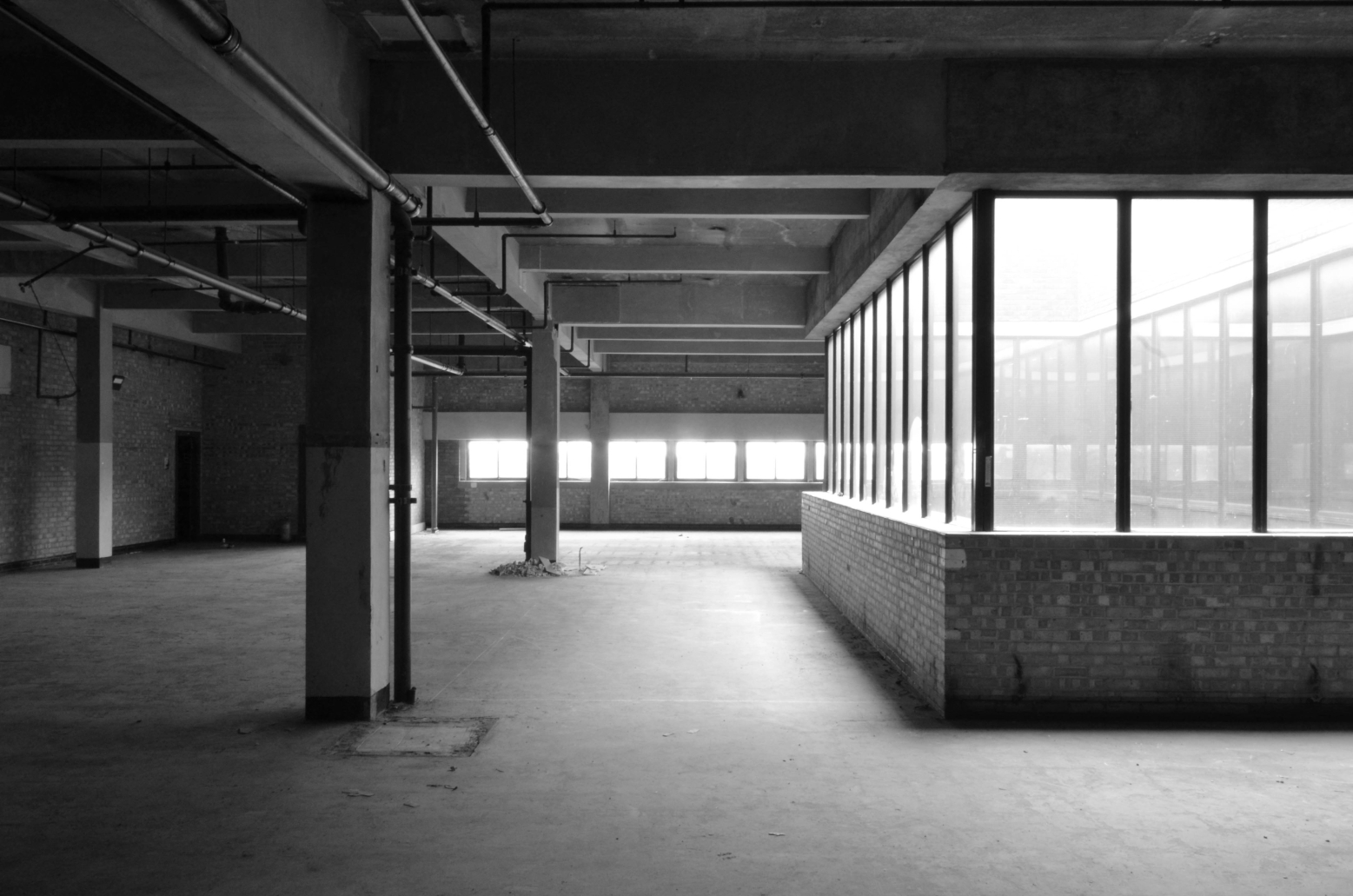
The project brief called for the adaptive reuse of the existing building, transforming over 3,400sqm of accommodation over four floors, to provide coworking space, yoga and fitness studios, nursery, event space, retail units, a café restaurant and a large rooftop community garden. The majority of space within the project demise is on the upper levels of the building and comprises deep-plan ‘back-of-house’ rooms formerly used for storage and administration. We saw the primary architectural challenges as to introduce a degree of coherence and ‘sense’ to the way these rooms were connected, and to bring light and air into the deep plan. We approached the first challenge by considering the existing structure as a sort of un-tamed topography that we were coming to inhabit. The pattern of different uses that comprise Oru is somewhat ‘city-like’ in character, and so we thought of this new inhabitation in urban terms. Our response to the second challenge was to use courtyards to punctuate the deep-plan spaces. In our imagined urban topography, we thought of these courtyards as ‘quads’. The new inhabitation and circulation are organised around these quads, with the intention of giving a coherent sense of structure across the different parts of the building and helping people to orientate themselves.
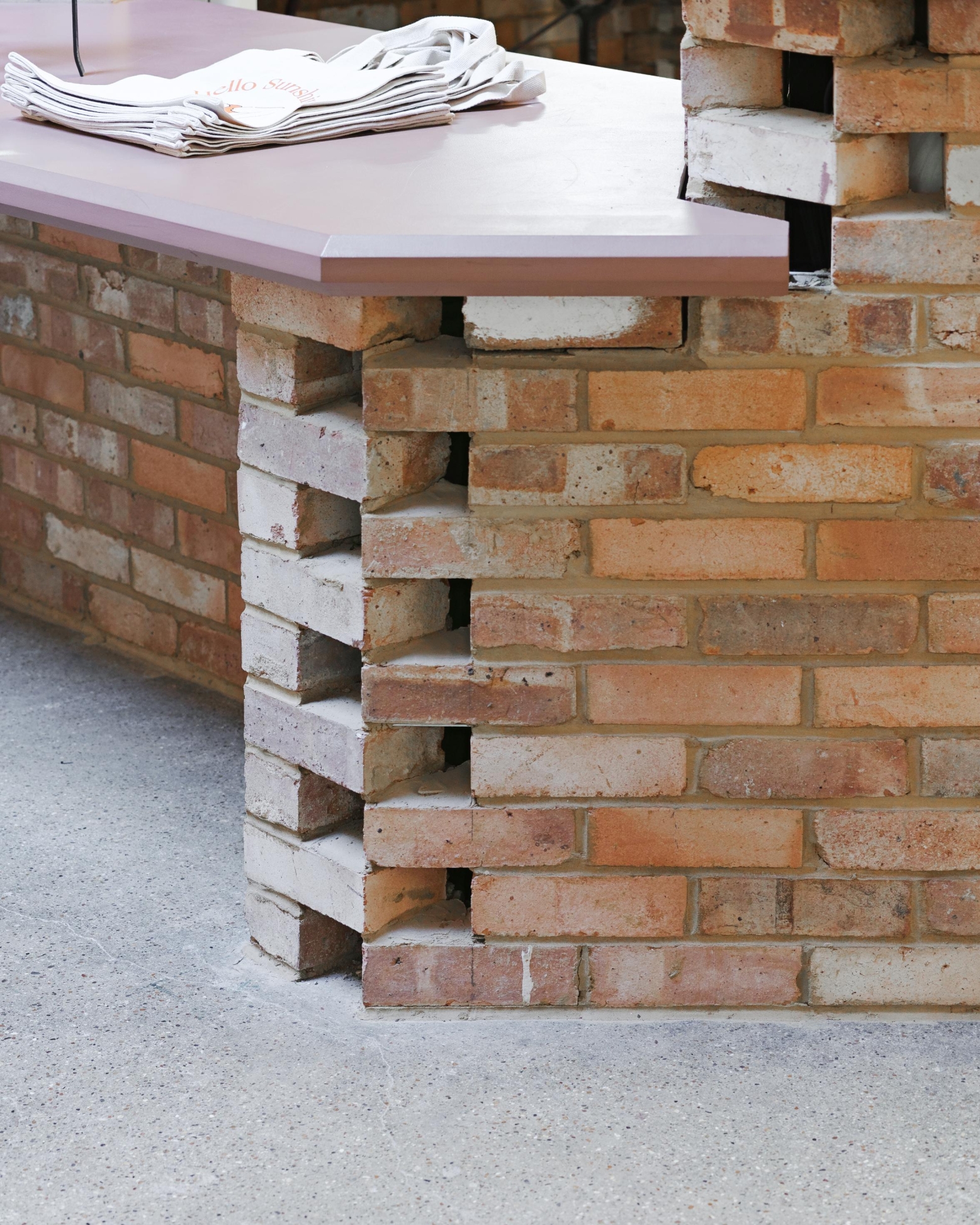
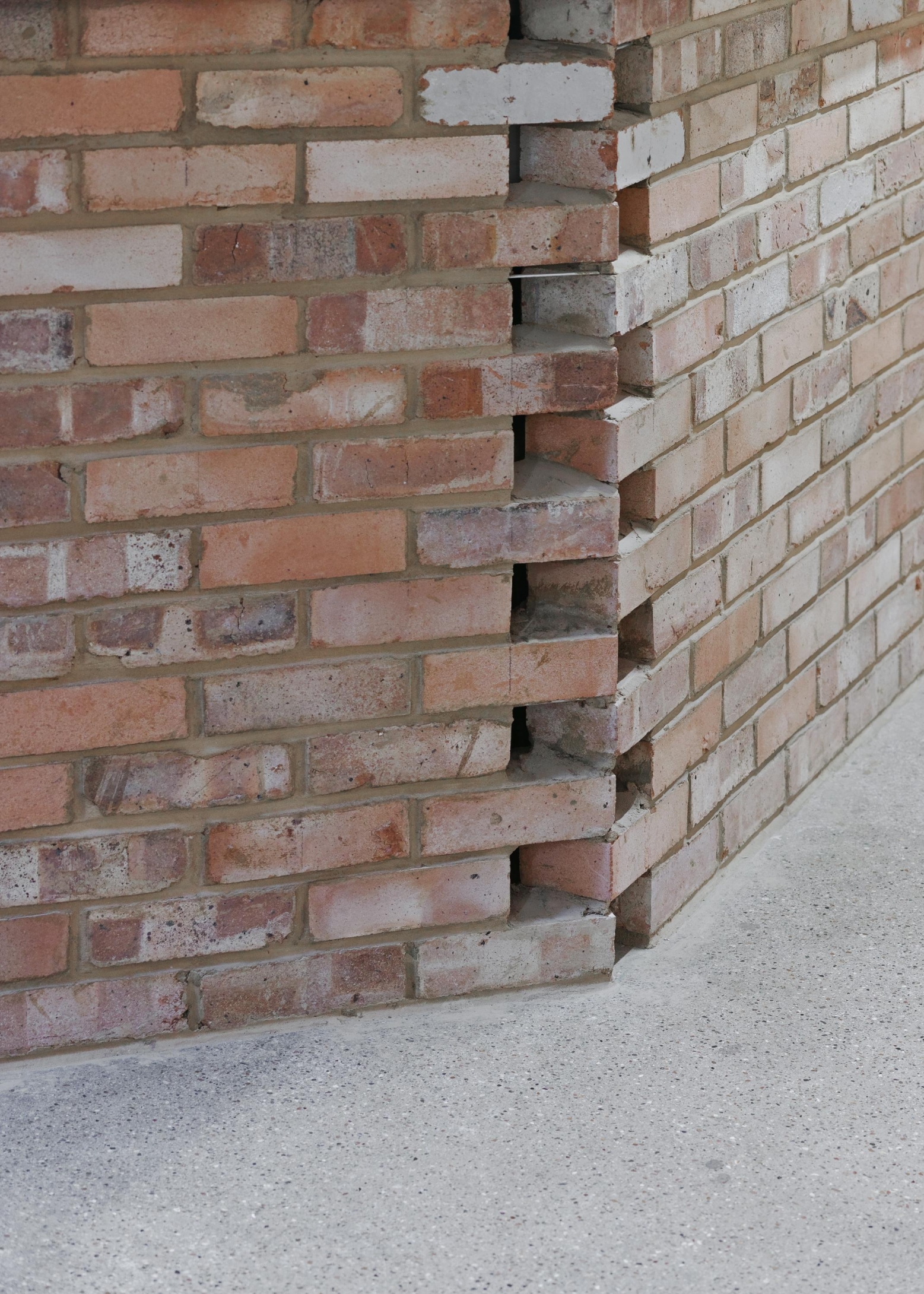
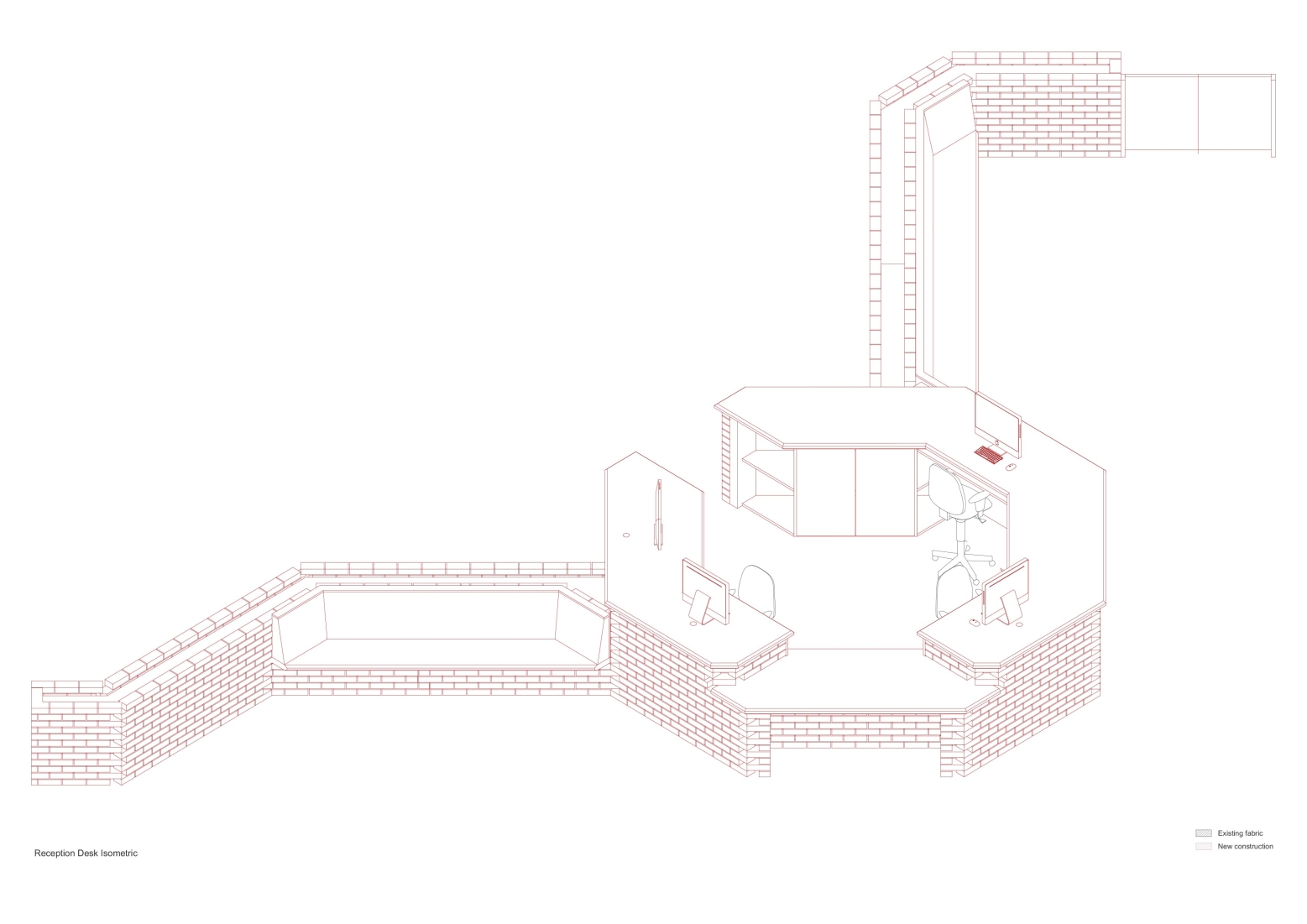
Our strategy for adapting the existing building was to ‘do less’ with regards to making changes to the existing fabric. This formed the principle of only changing things that we considered to have some infrastructural importance in accommodating the building’s new use and tended towards minimising the expense and environmental impact of the development by retaining as much as possible. The approach was also consistent with our idea of treating the existing building as topography to be inhabited, rather than a blank canvas. Where demolition was proposed, we prioritised the reuse of the removed materials in the design of new elements, such as the workspace reception desk which is made from bricks that were removed to form the structural openings of new windows and curtain walling during construction. These new openings have a collage-like relationship with existing openings, which were themselves retained and reused.
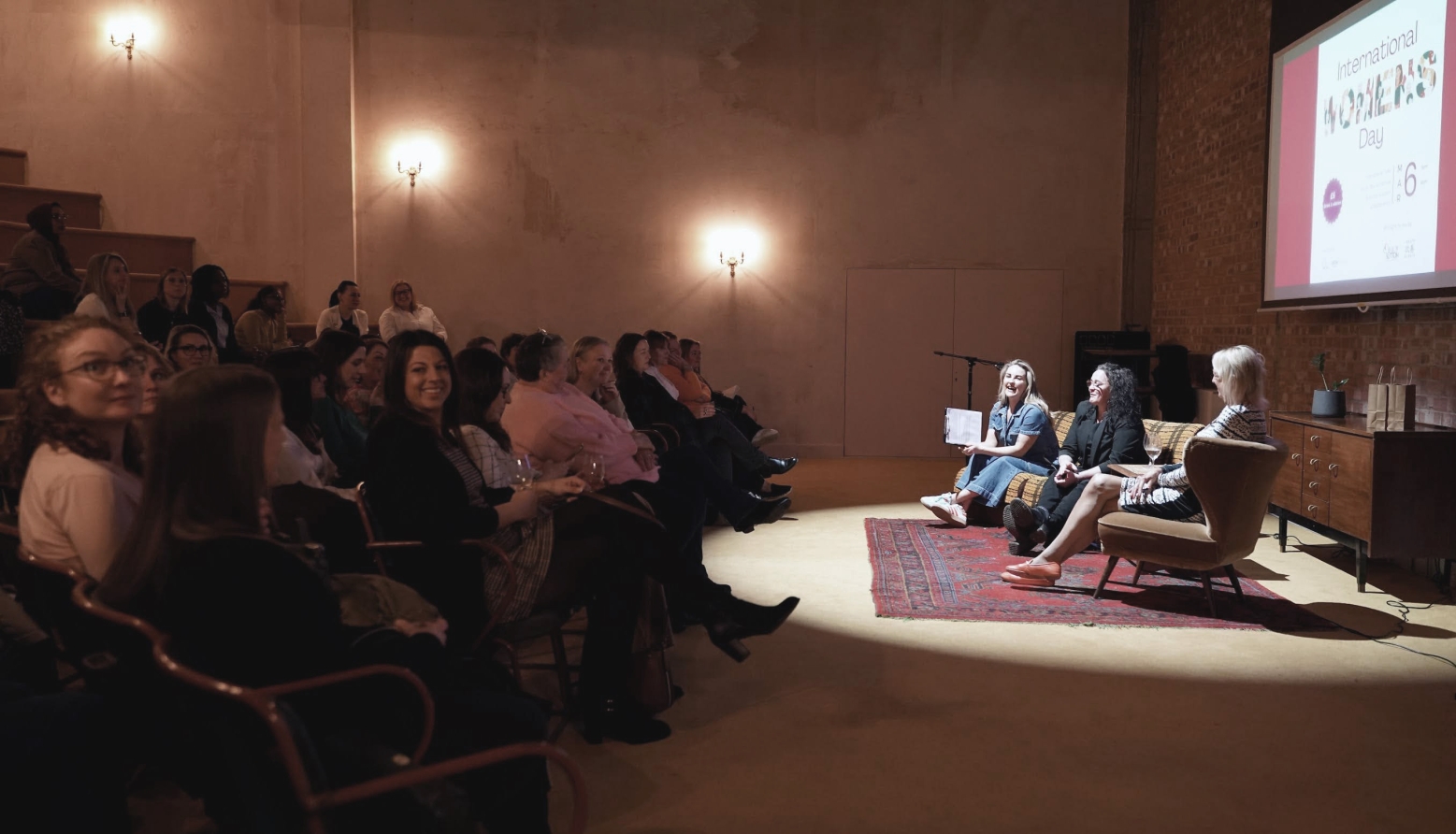
The quads that comprise the new inhabitation are connected by a single path which runs from the Times Square shopfront entrance at ground floor up to the fourth-floor rooftop, which is now used as a garden terrace. The path is imagined as a promenade, i.e. something that is enjoyable to walk along, and as such it is the most generous circulation route in the building in terms of scale and openness. The path begins in a retail unit at ground floor, before passing the Trinco café & restaurant and ‘Town Hall’ event space at first floor, ‘Wellbeing Quarter’ and workspace at third floor, and arriving at the fourth-floor rooftop garden and bar. As such, walking along this path introduces a visitor to all aspects of the Oru operation.
The rooftop garden that is reached at the end of the promenade is a special part of the building, being a ‘commons’ for all building inhabitants to share. It has fantastic views across Sutton to the south and west, to the towers of Croydon to the east, and as far as the arch of Wembley stadium to the north. As Oru’s street-level footprint is limited, and the ‘quad’ typology somewhat introverted, it is this space that best situates the ‘urban-ness’ of the project.
A key interest of the project was the idea of ‘tolerance’ and the challenge of allowing for this in all aspects of the design. This included thinking of construction tolerances in the typical sense, so that new elements and systems could be adapted as necessary to suit found site conditions, but also in a perceptual sense with regards to how the Oru identity and architectural ideas behind the project were manifest in the building. It is important to Oru that the people who come to their buildings feel comfortable to inhabit the spaces on their own terms and as such, we have sought to make spaces that are open to addition and adaption by their occupants. In practice this meant designing the building in such a way that it could accept a relatively high degree of surface level change, such as the addition of signage, redecoration, new furniture, etc. without its character being lost or undermined. Our approach to providing tolerance in this sense was to imagine the building’s identity existing as a sort of gestalt infrastructure, comprising many varied parts which together provide a ‘rich background’ to whatever occurs on the surface. Rather than seeking to establish identity through repetition of specific architectural motifs (e.g. colours, materials, symbols) we took a looser approach to this whereby the motifs ‘echo’ with each other rather than matching, and the identity is established by features of resemblance rather than repetition.
The architectural motifs that carry the Oru identity are a material palette, based around the ‘Oru pink’ brand colour, and common geometric patterns, namely vertical rhythm and faceted octagonal geometry. We considered the material palette as a ‘family tree’, with Oru pink at the head, expanding outwards to comprise materials used on other Oru projects, materials found in the existing building, and other future progeny. With regards to geometry, the familiar patterns were applied fractally, occurring at different scales and in different materials, such as in aluminium curtain walling, timber studio partitions, galvanised steel balustrades and painted MDF desk joinery. Introducing these motifs with variety creates perceptual tolerance, whereby the identity does not reside in any one element, rather existing as a composite of impressions gathered from various elements that relate to each other in one way or another. This openness allows the identity to expand outwards and form ambiguous relationships to the future and the past, with for example the pink of existing brickwork echoing with ‘Oru pink’ and the vertical rhythm of rough plaster joints between existing plasterboard sheets as echoing the vertical rhythm of the studio partitions. We hope that the openness will allow for similarly interesting and ambiguous relationships to emerge through the changes that happen in the future life of the building.
Samuel Chisholm, Samuel Chisholm Studio
SCS Team: Samuel Chisholm, Maija Viksne, Inger Hernes, Oscar Murray, Tunmiji Osibodu, Ayesha Silburn, Antje Weihen
t-sa Team: Takero Shimazaki, Jennifer Frewen, Karabo Turner, Oli Brenner, Joshua King, Steve Harley
Photographs Samuel Chisholm, Anton Gorlenko, Bianca Jagger, Oru Space