Rouse Gardens
Located at the end of a 1960’s terrace in the Dulwich Estate, Rouse Gardens is a lightweight remodelling and extension of a 4 storey dwelling for a young family.
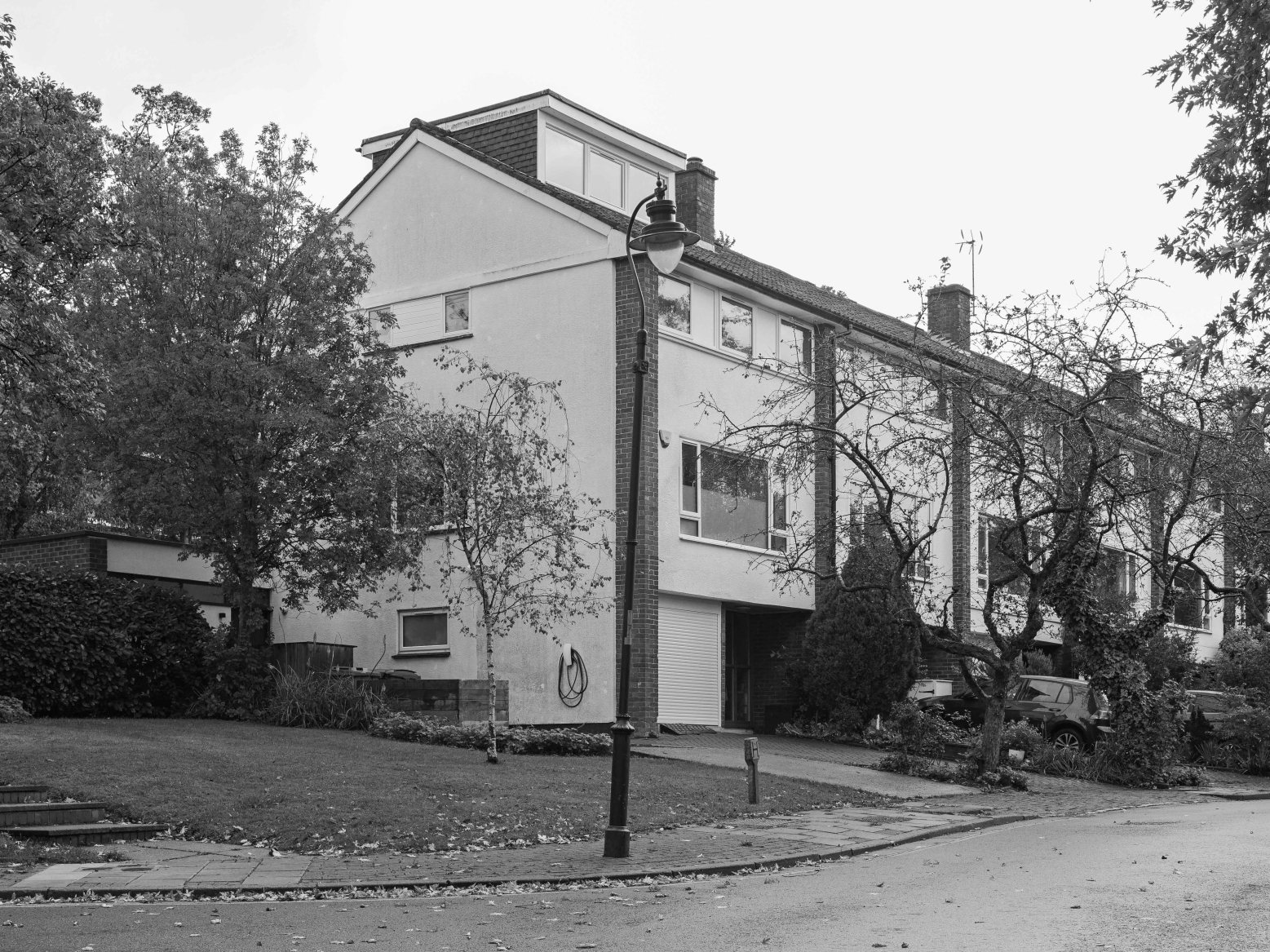
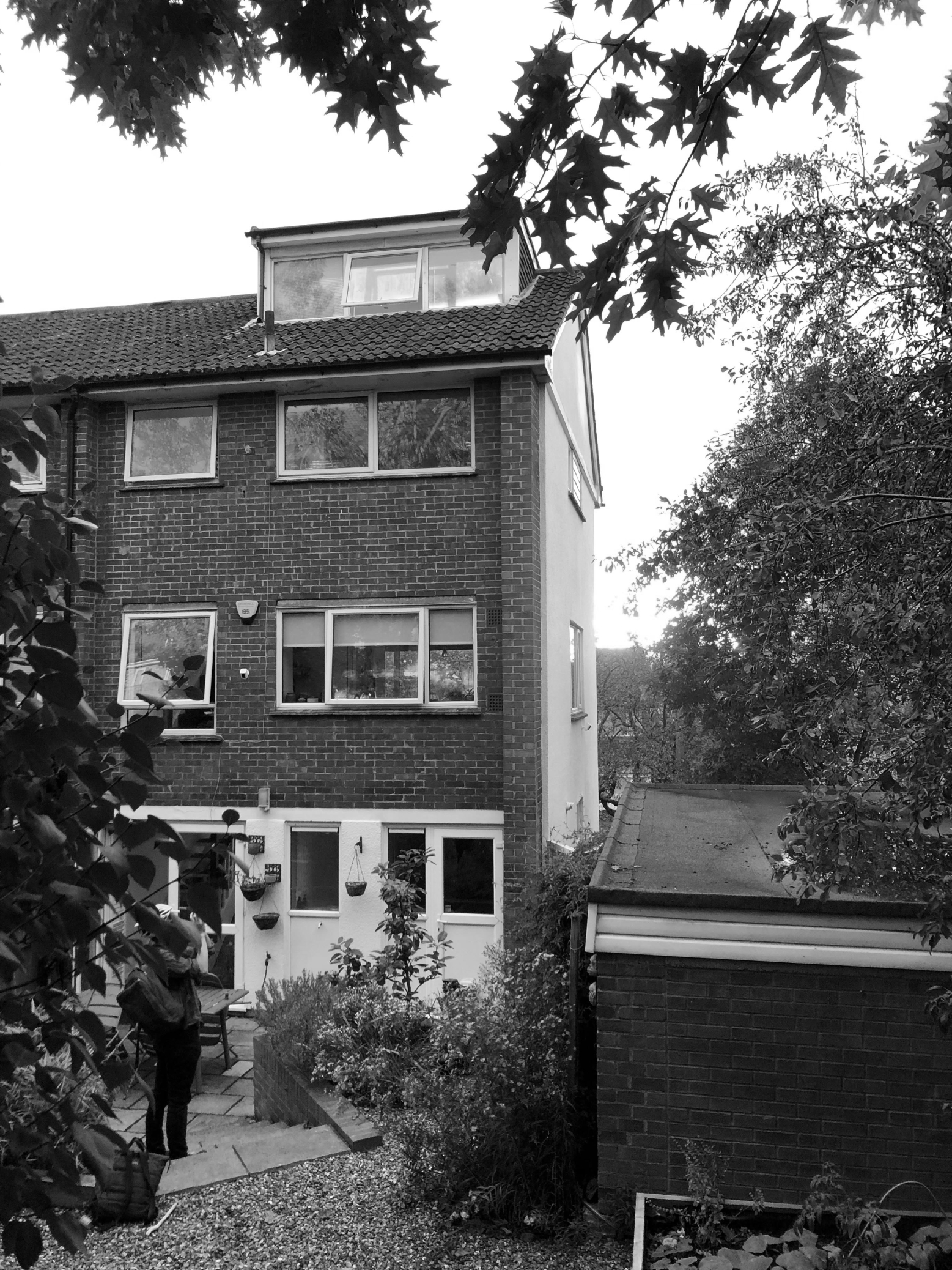
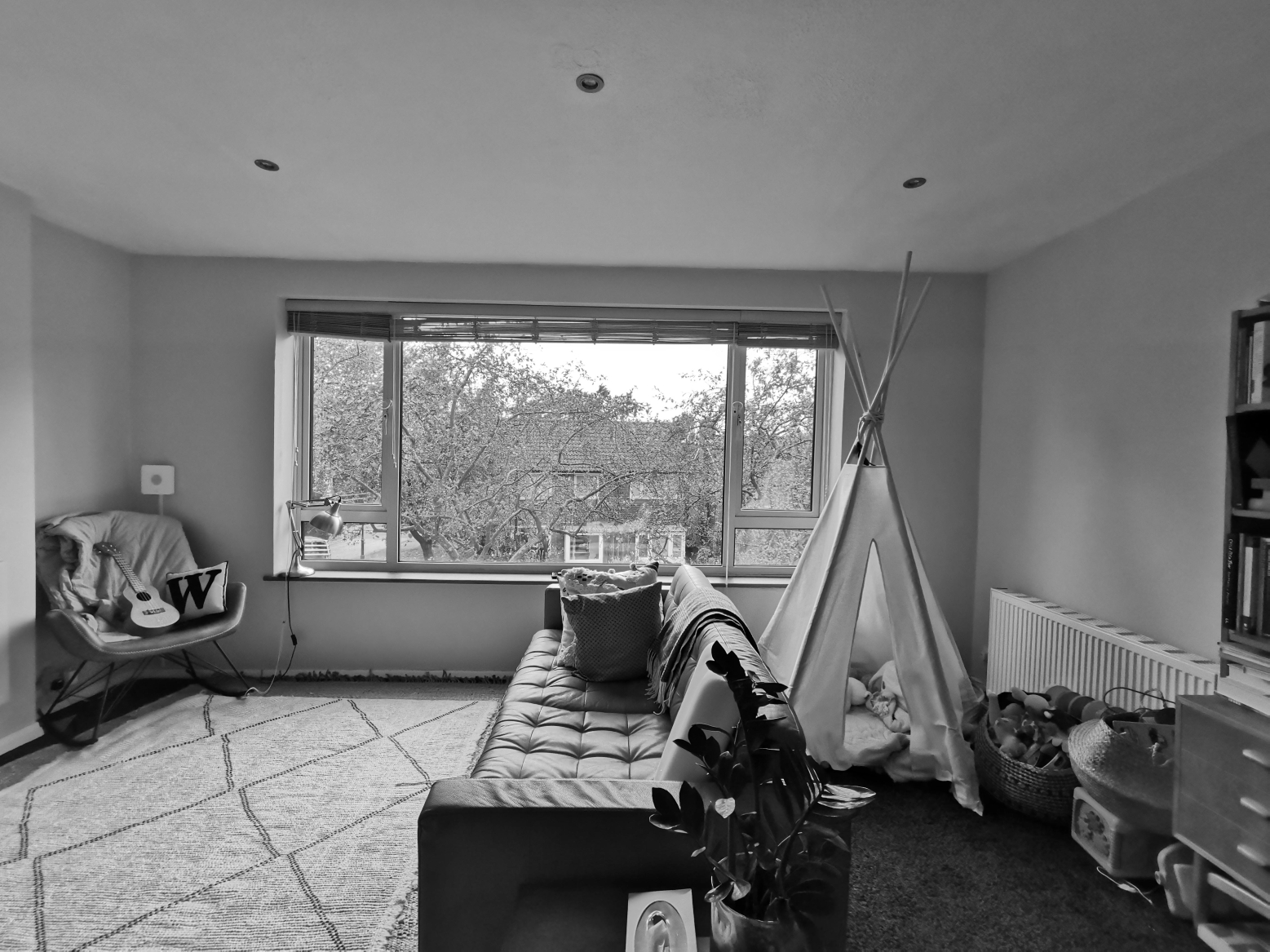
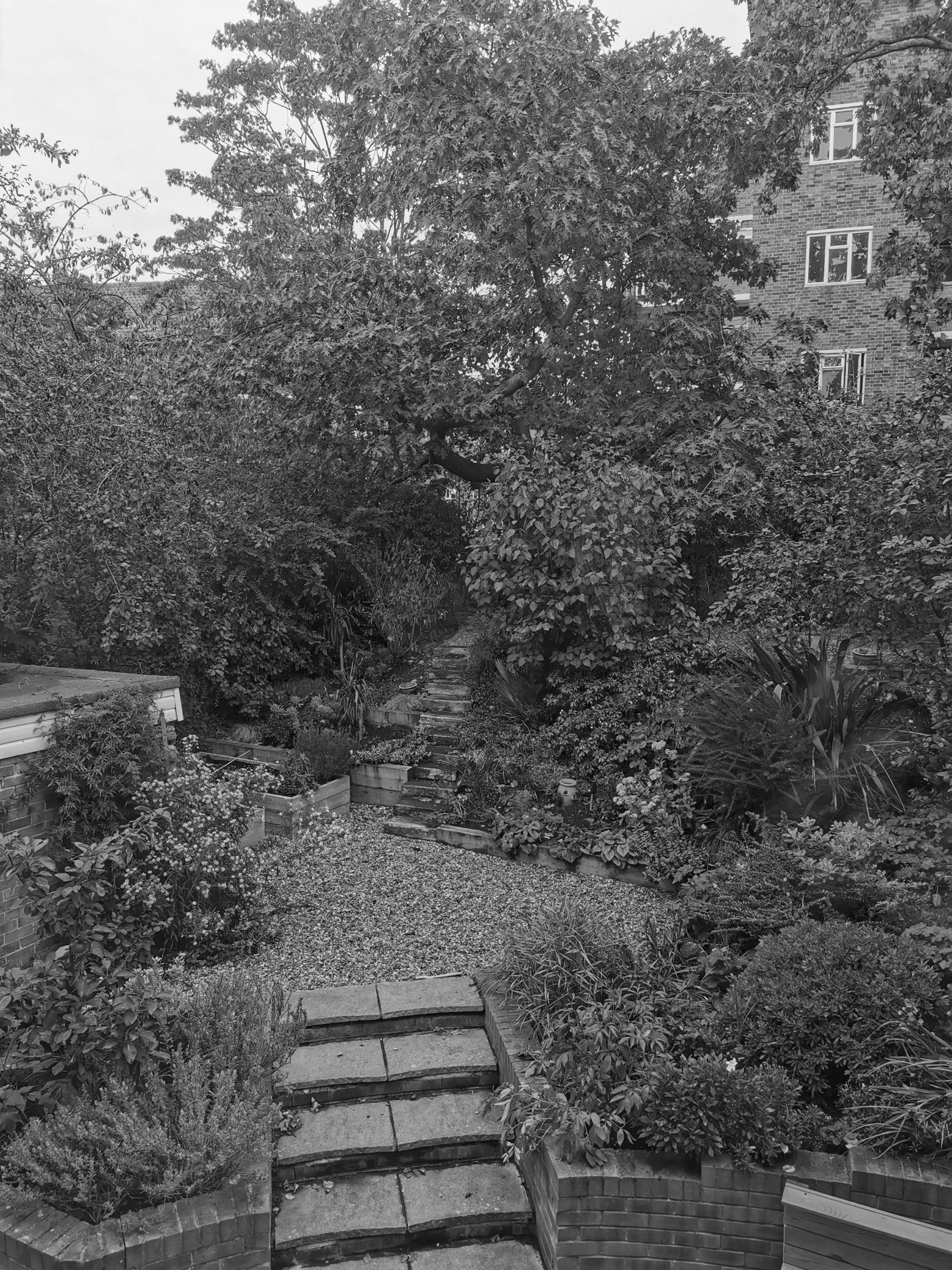
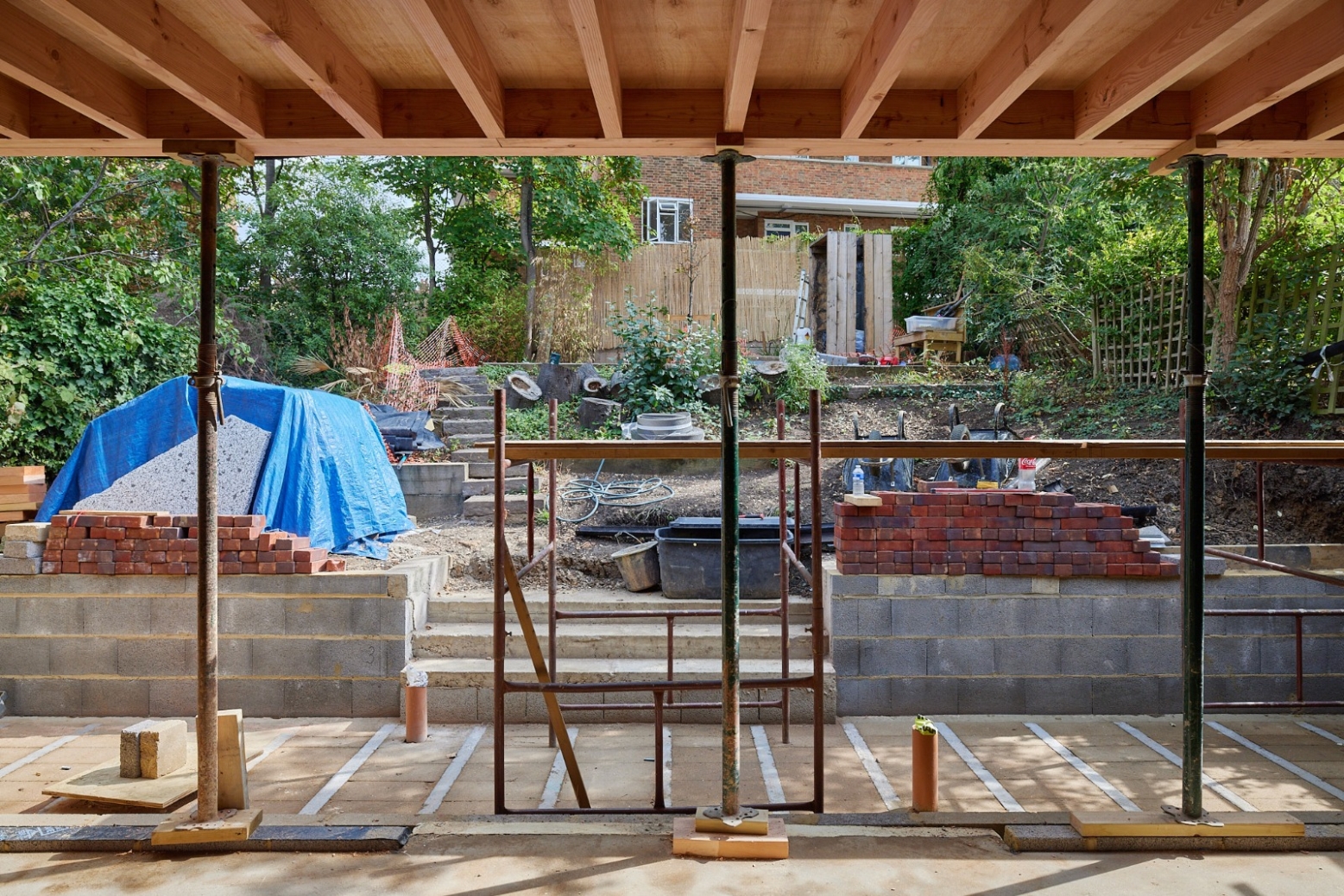
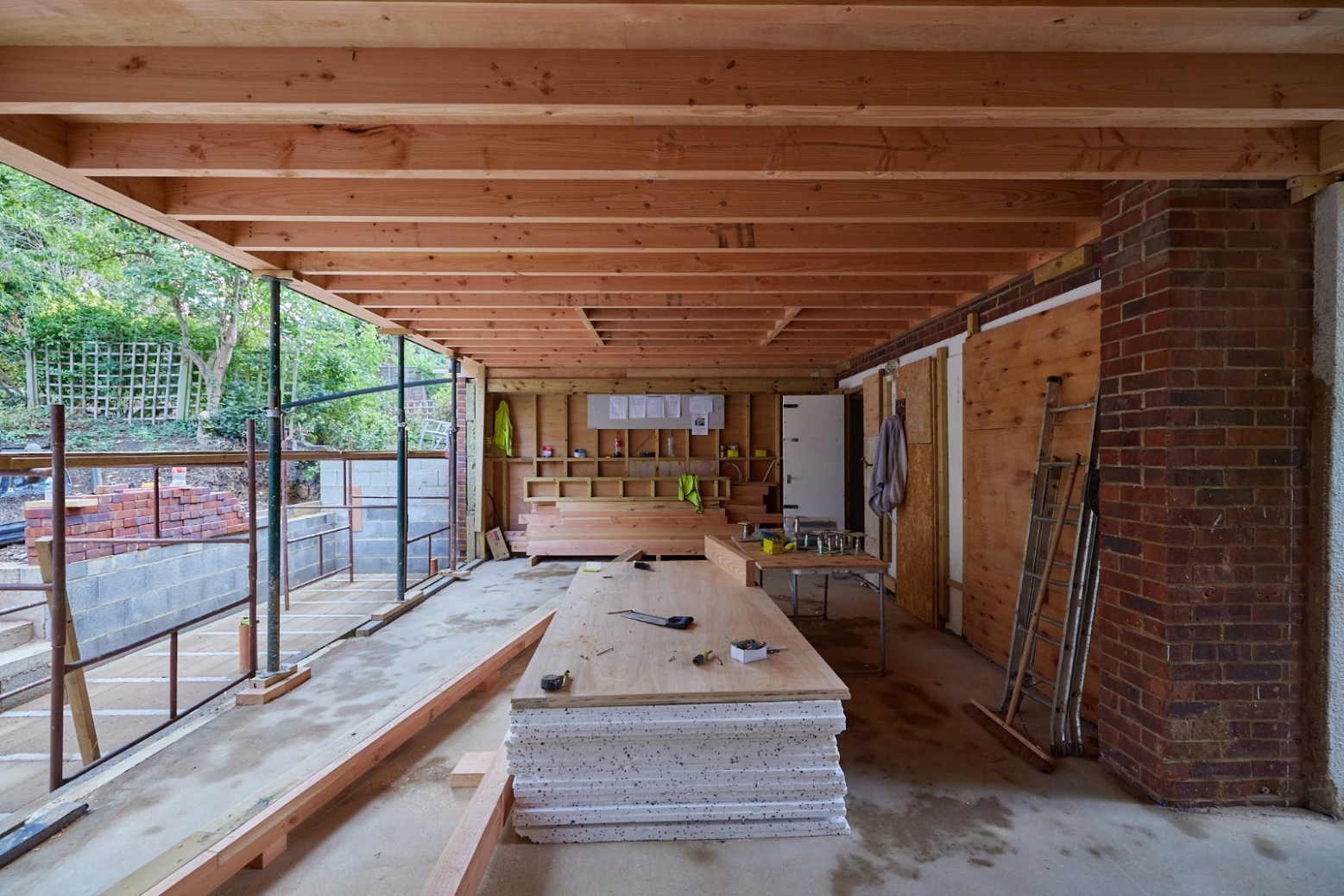
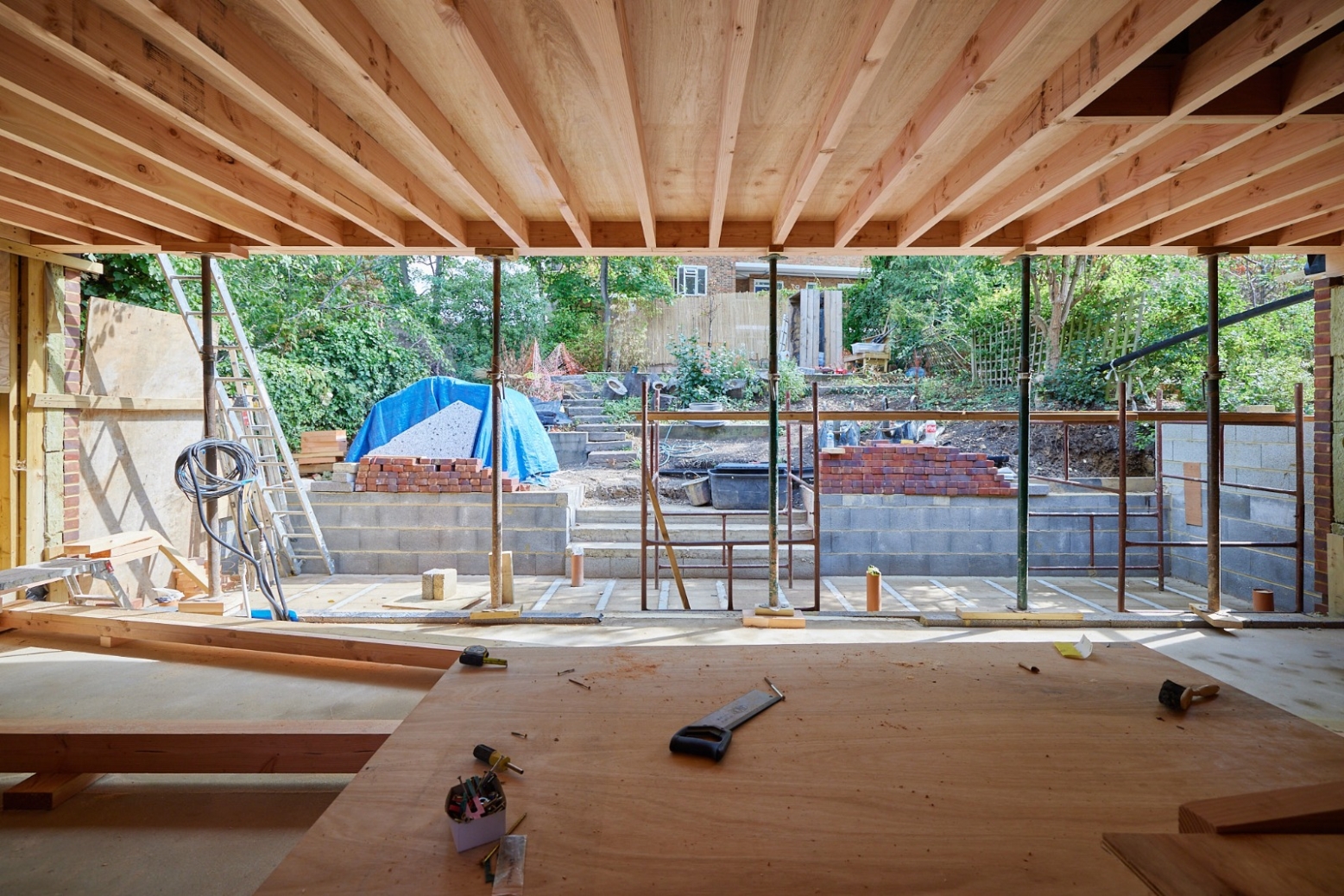
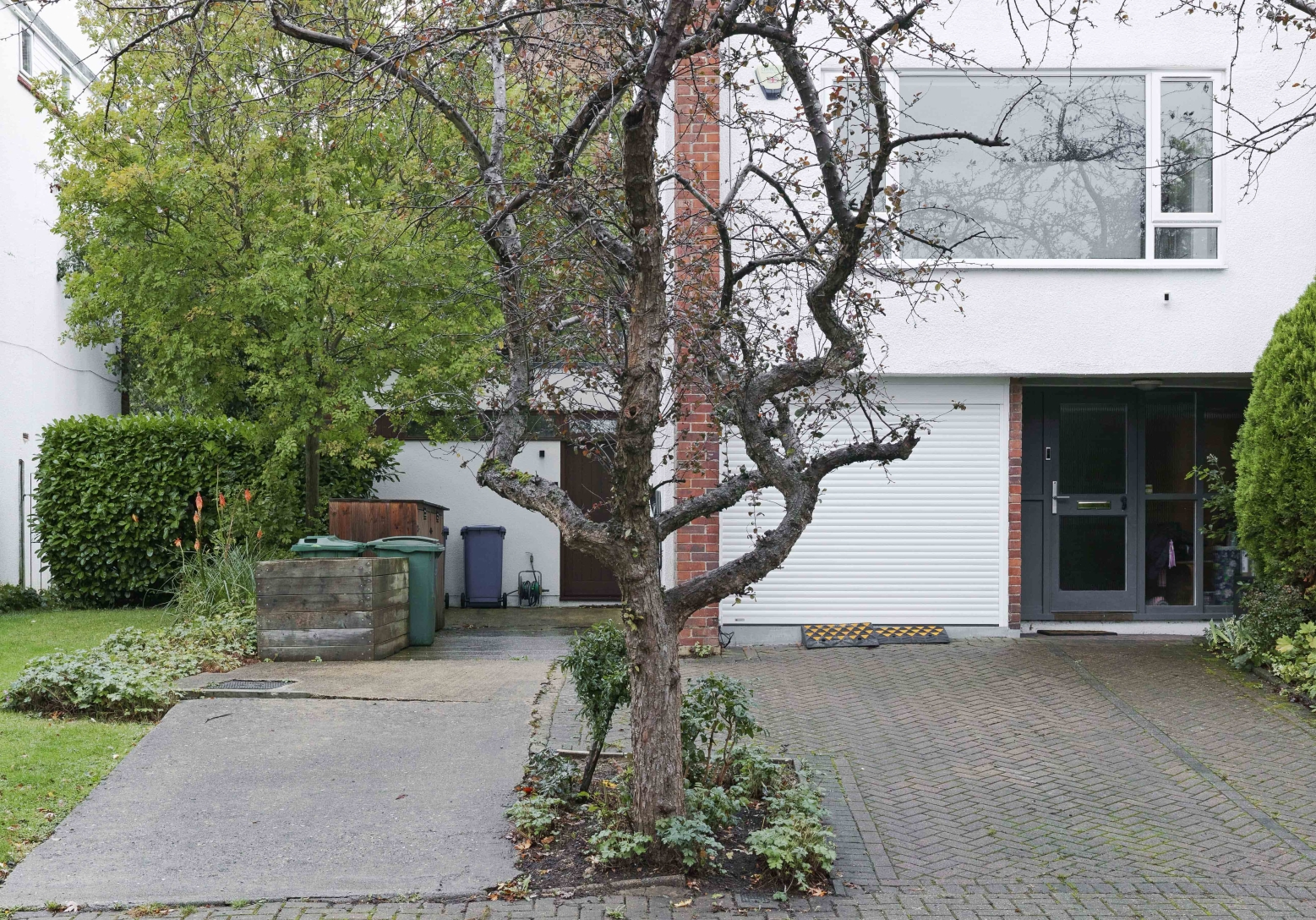
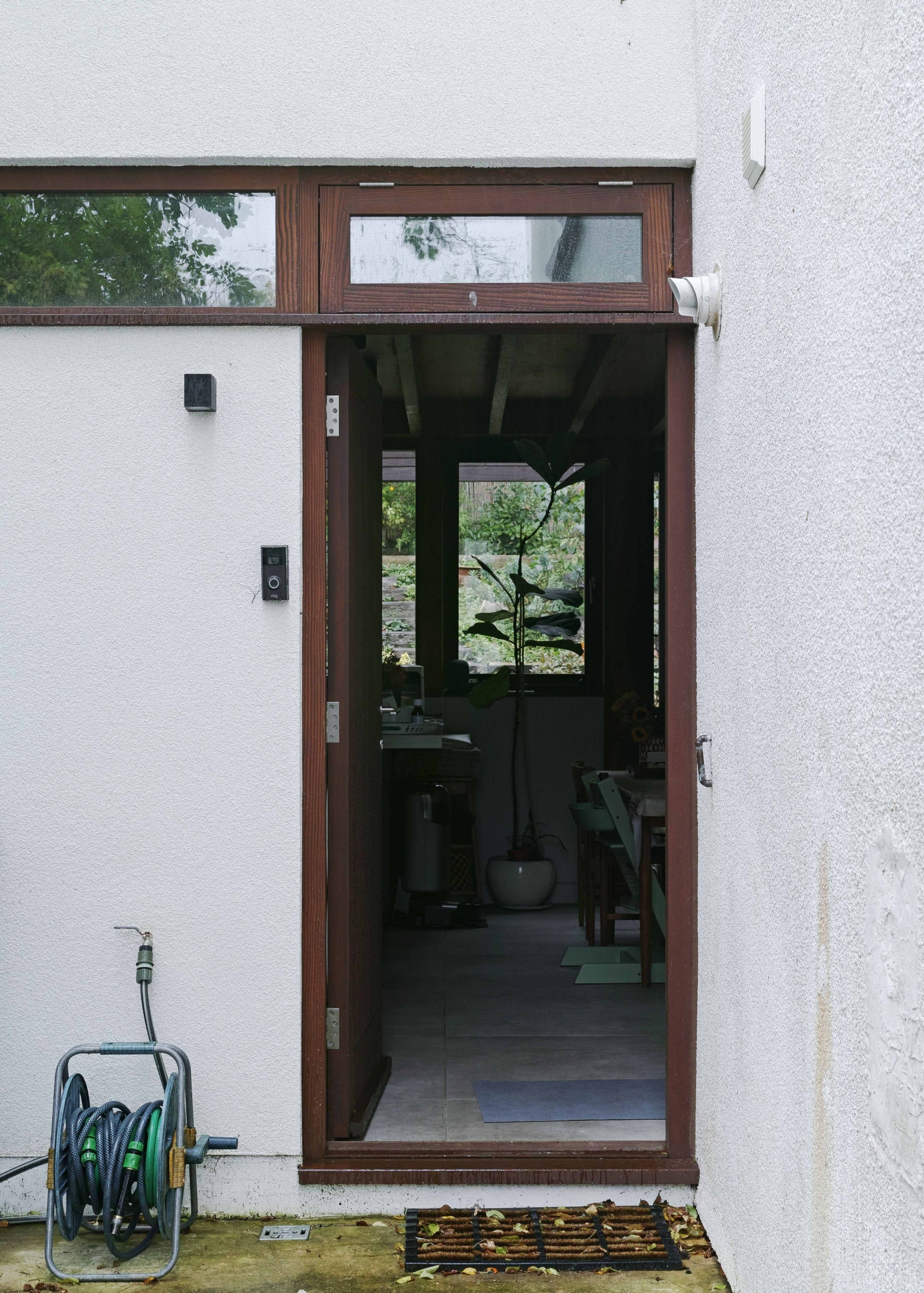
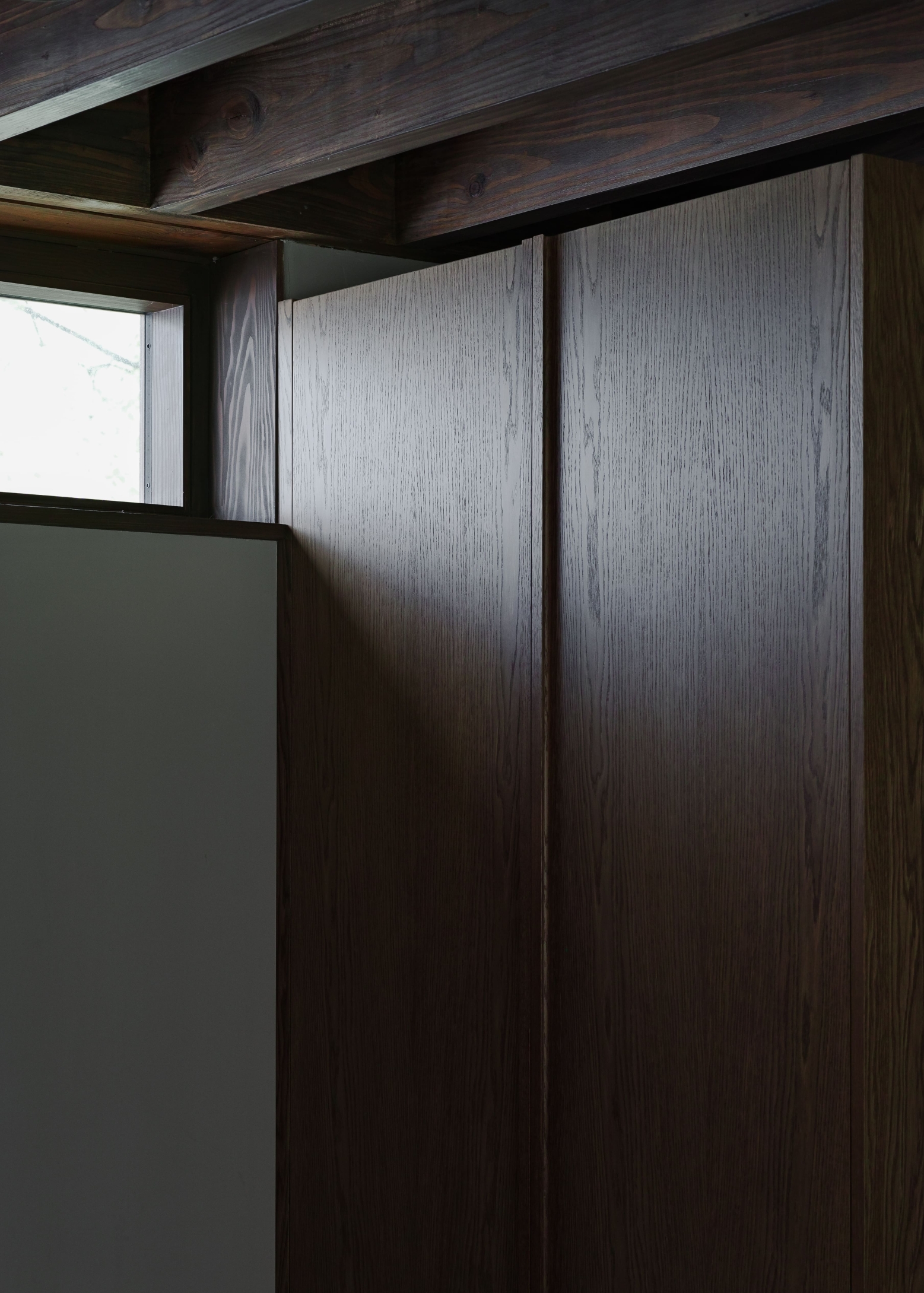
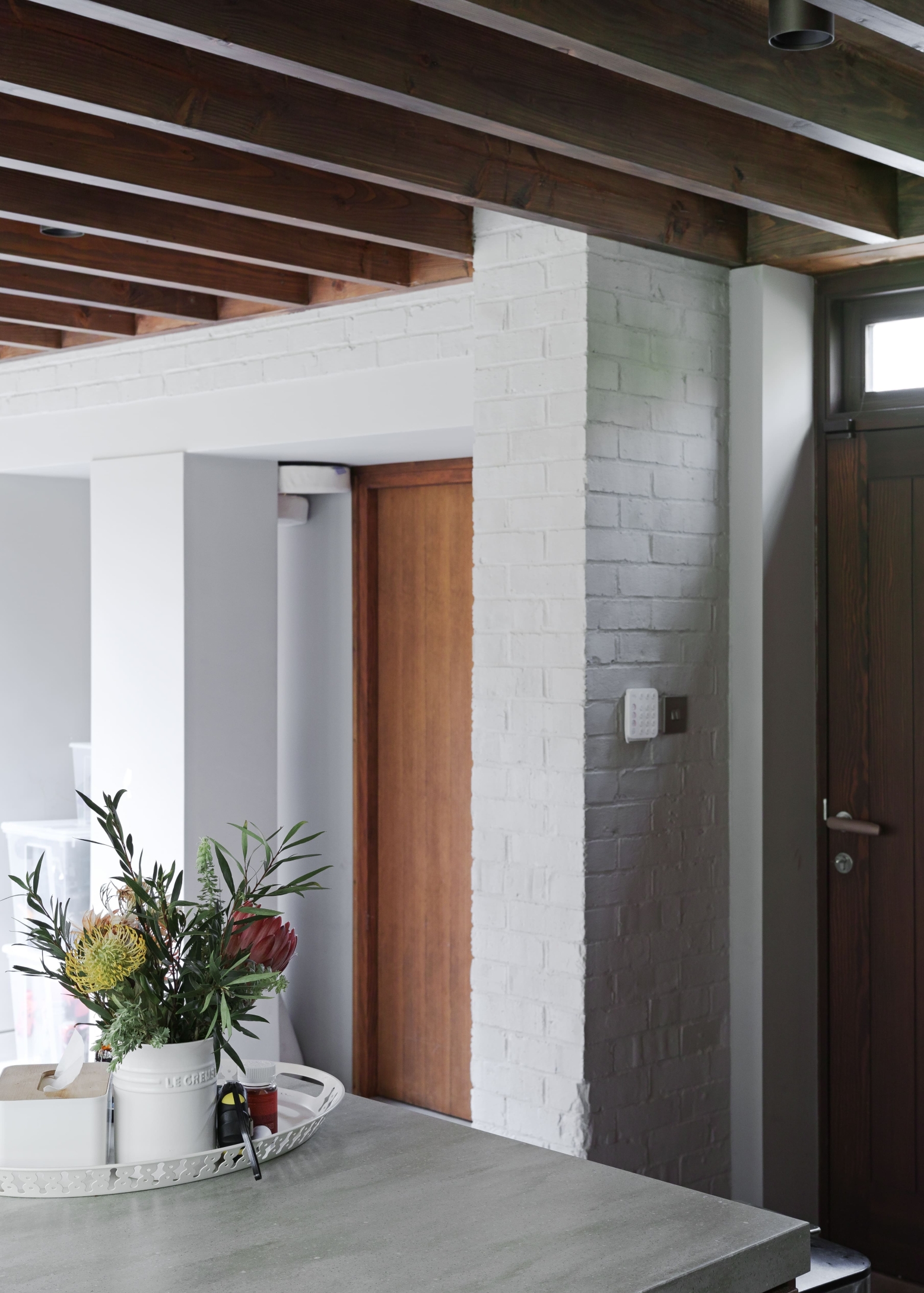
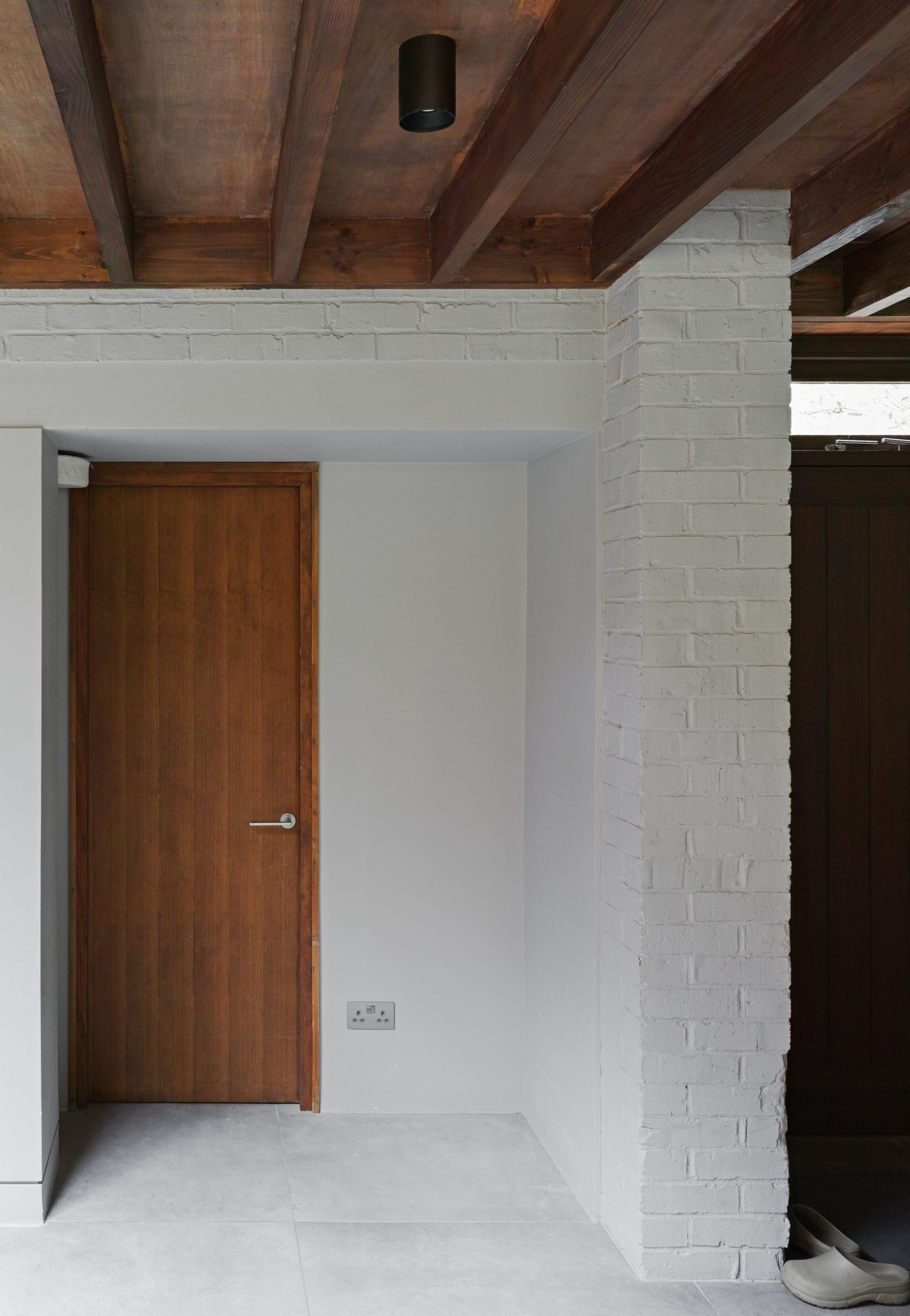
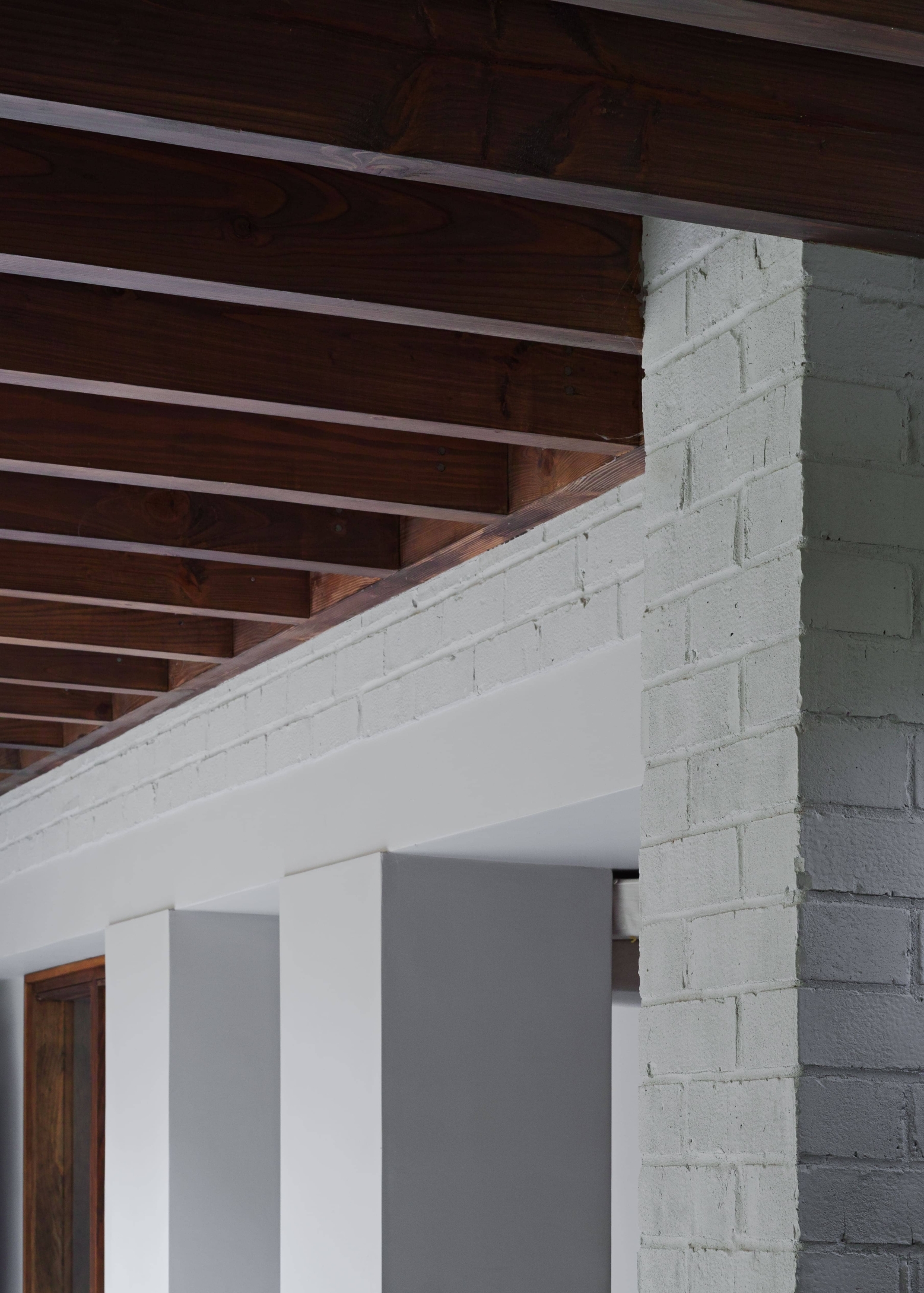
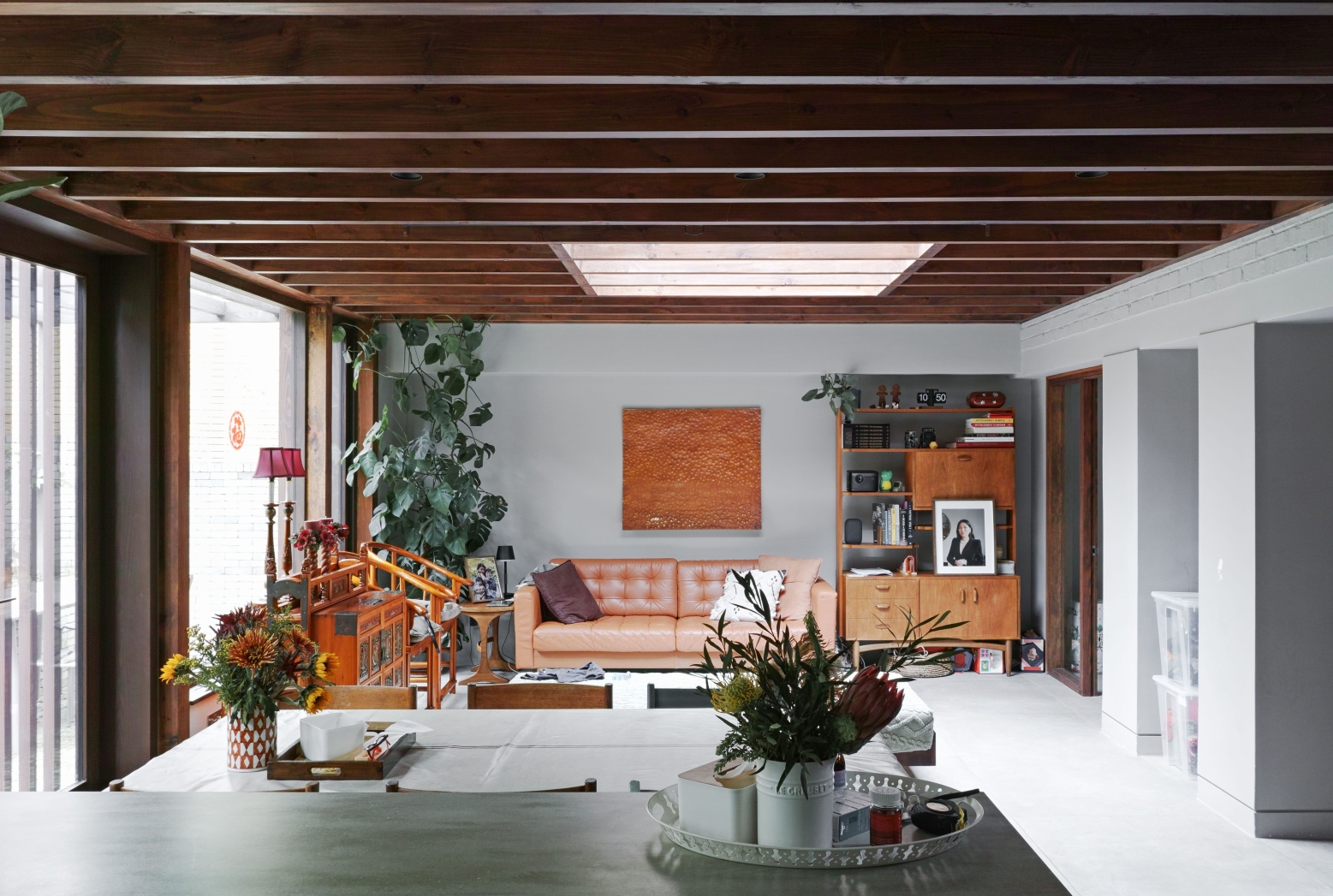
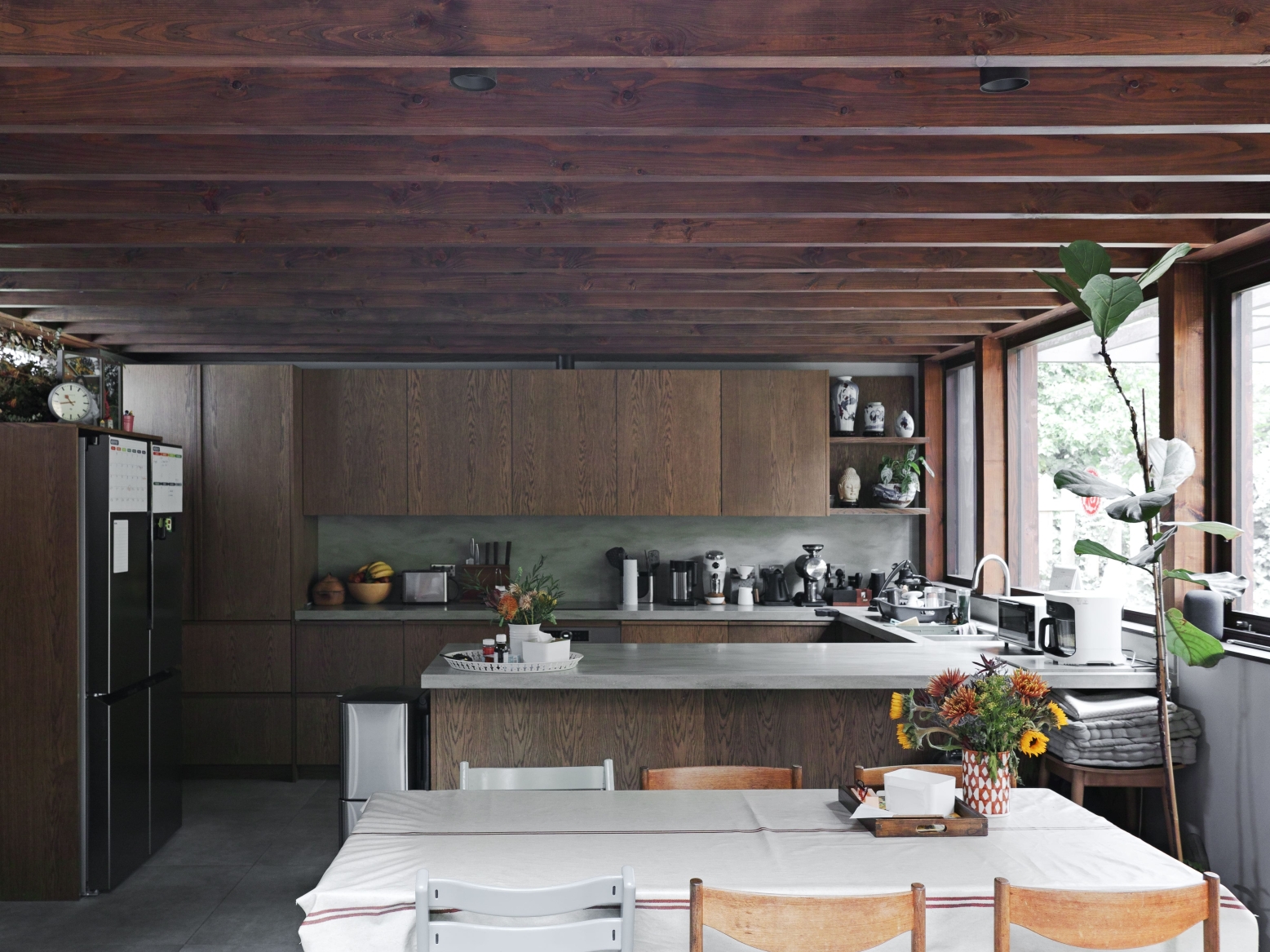
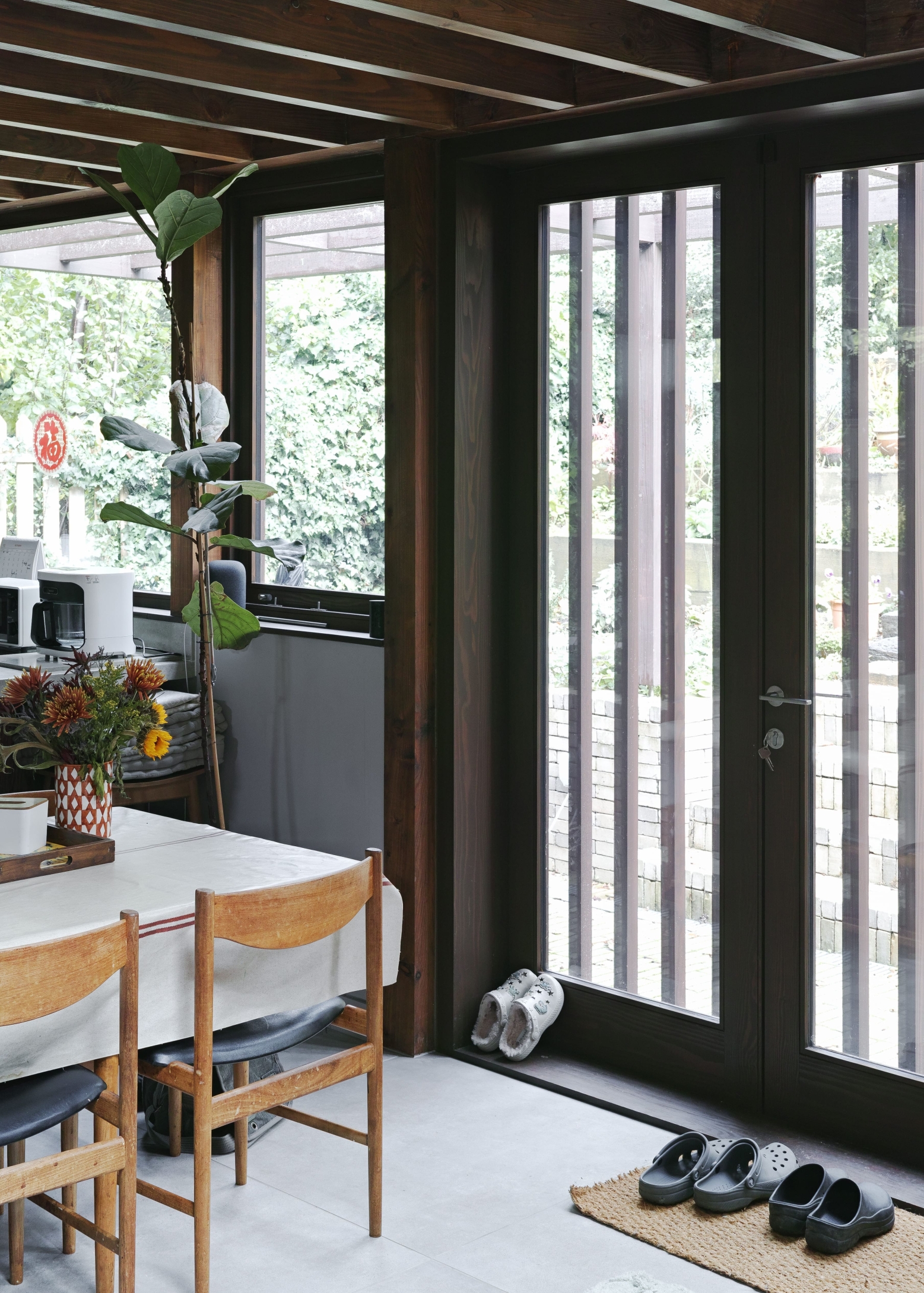
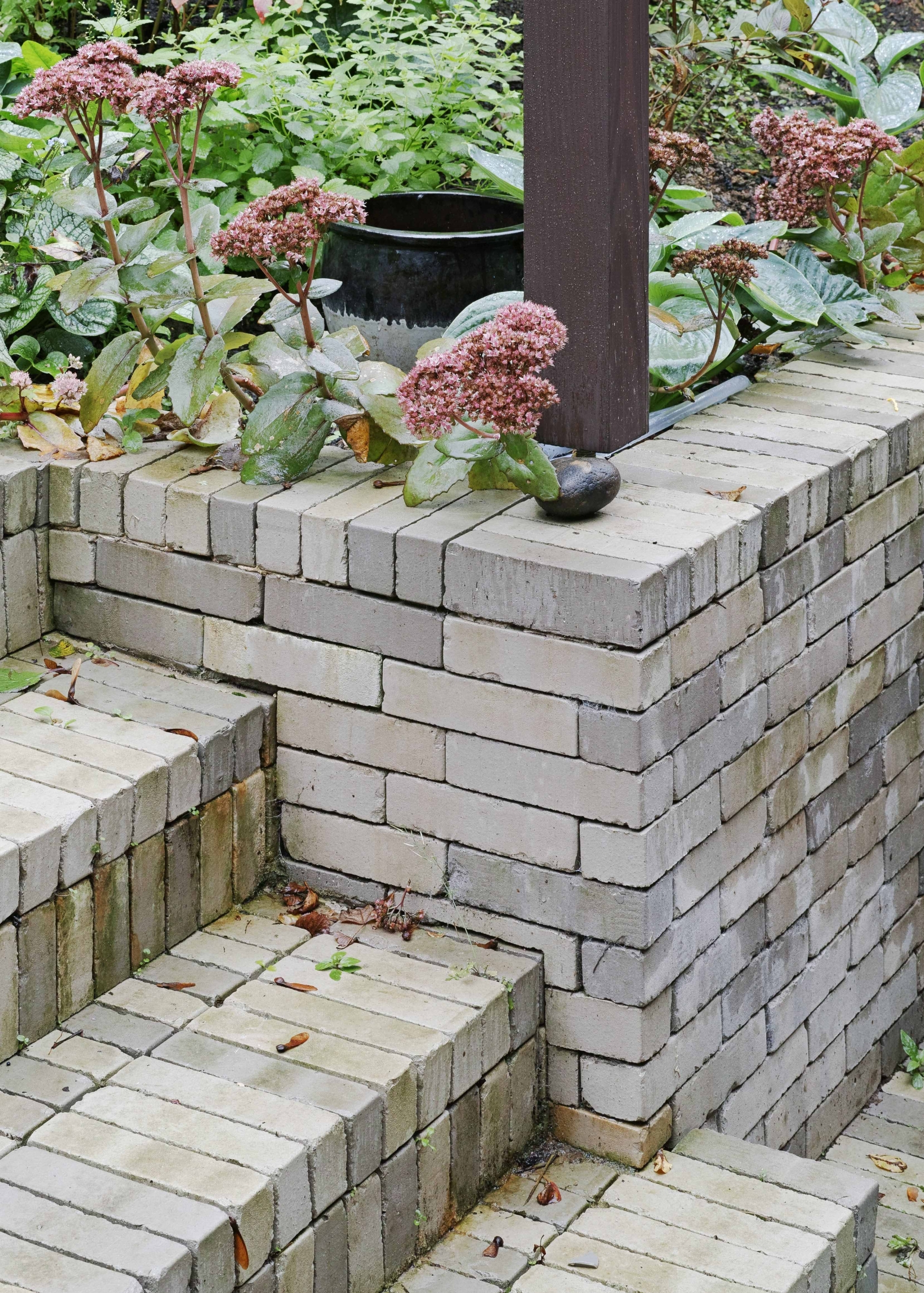
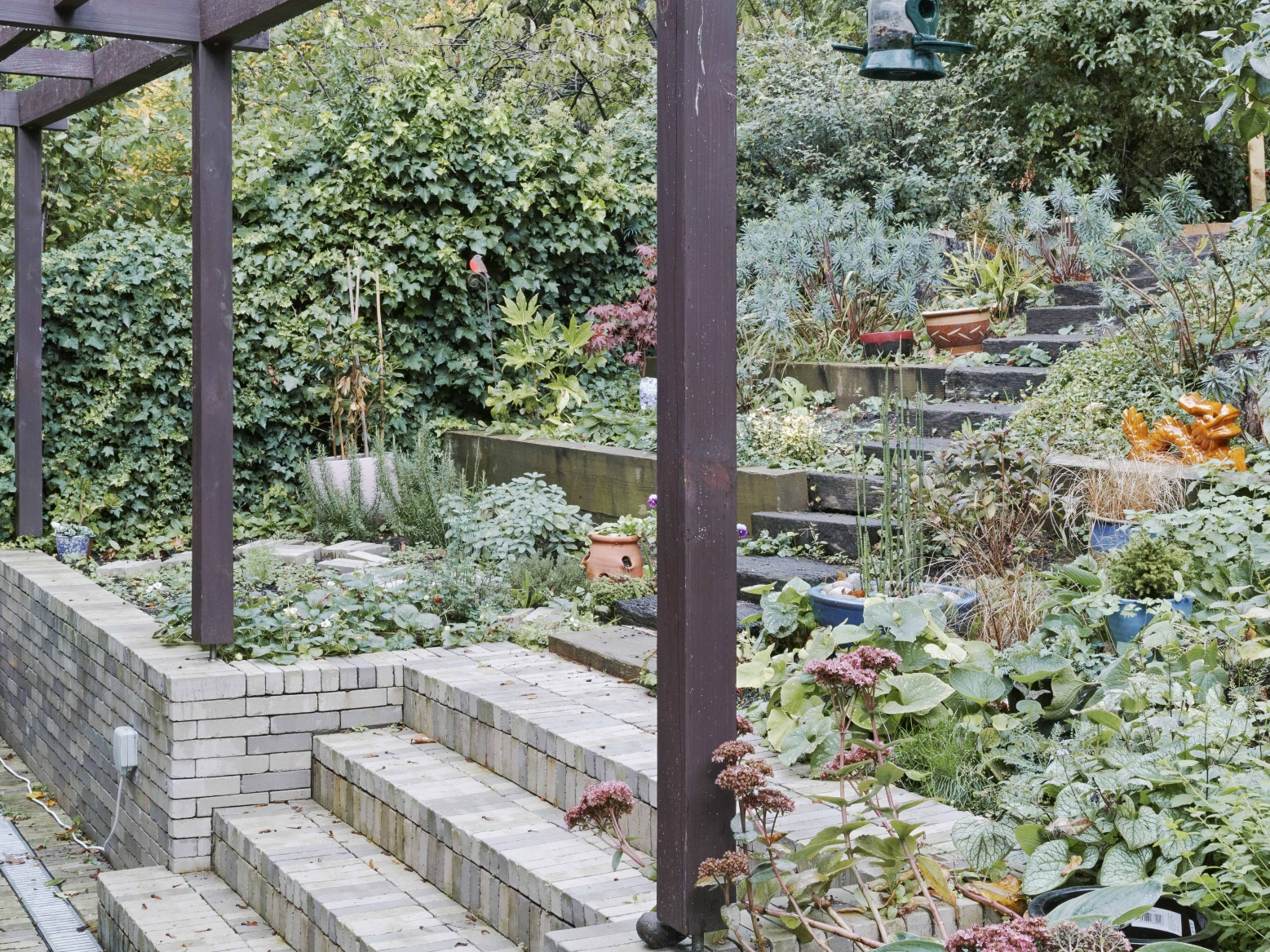
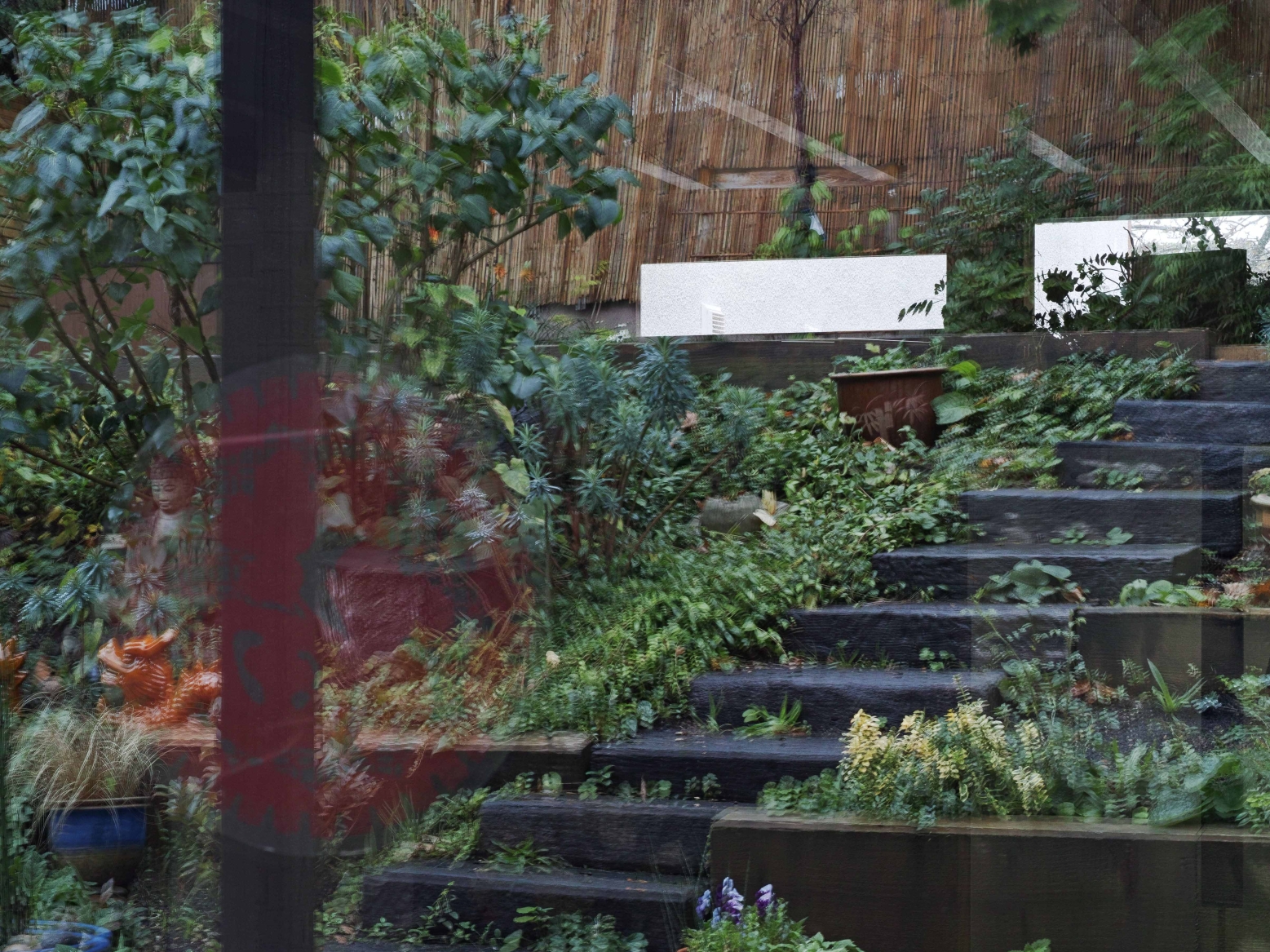
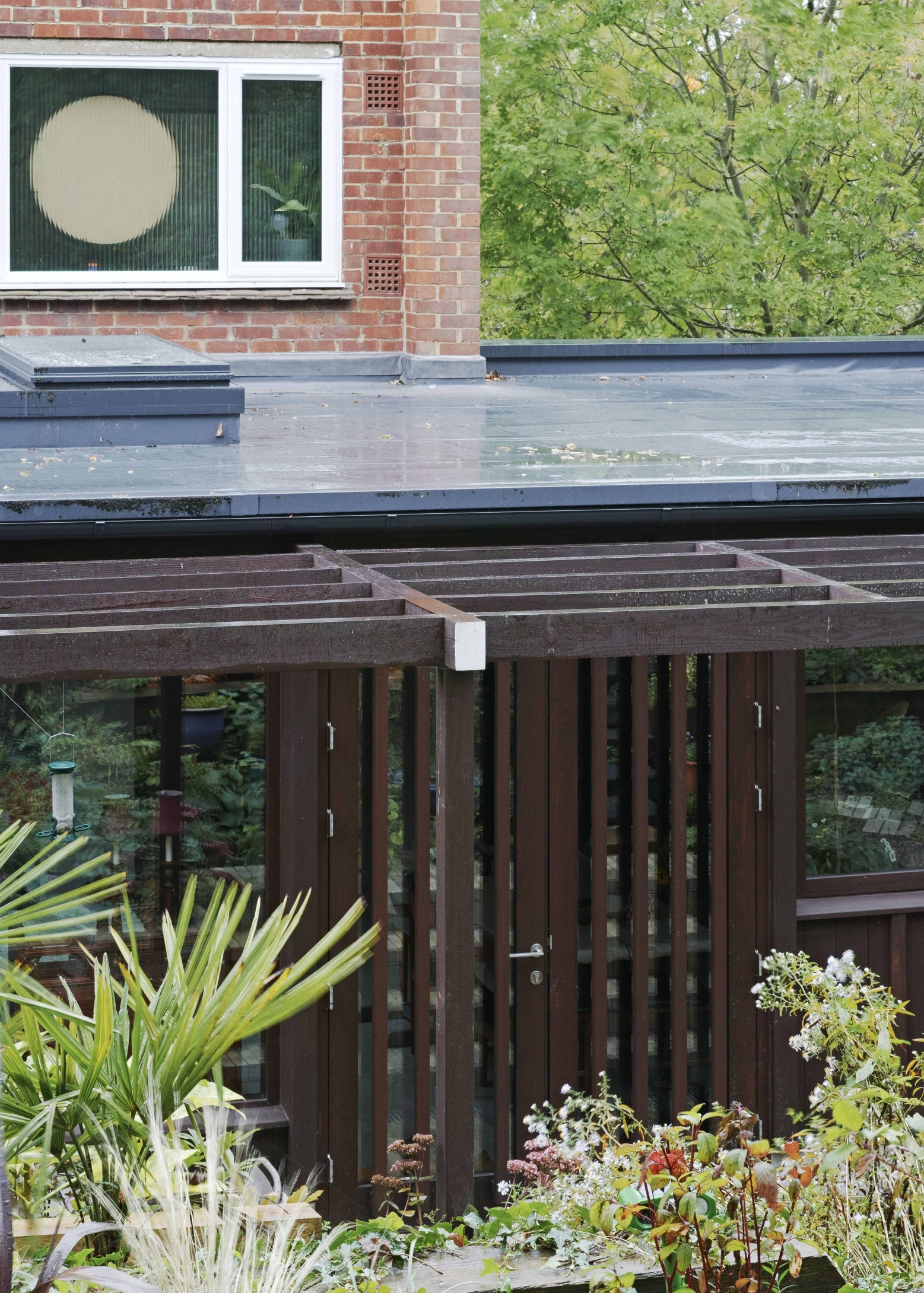
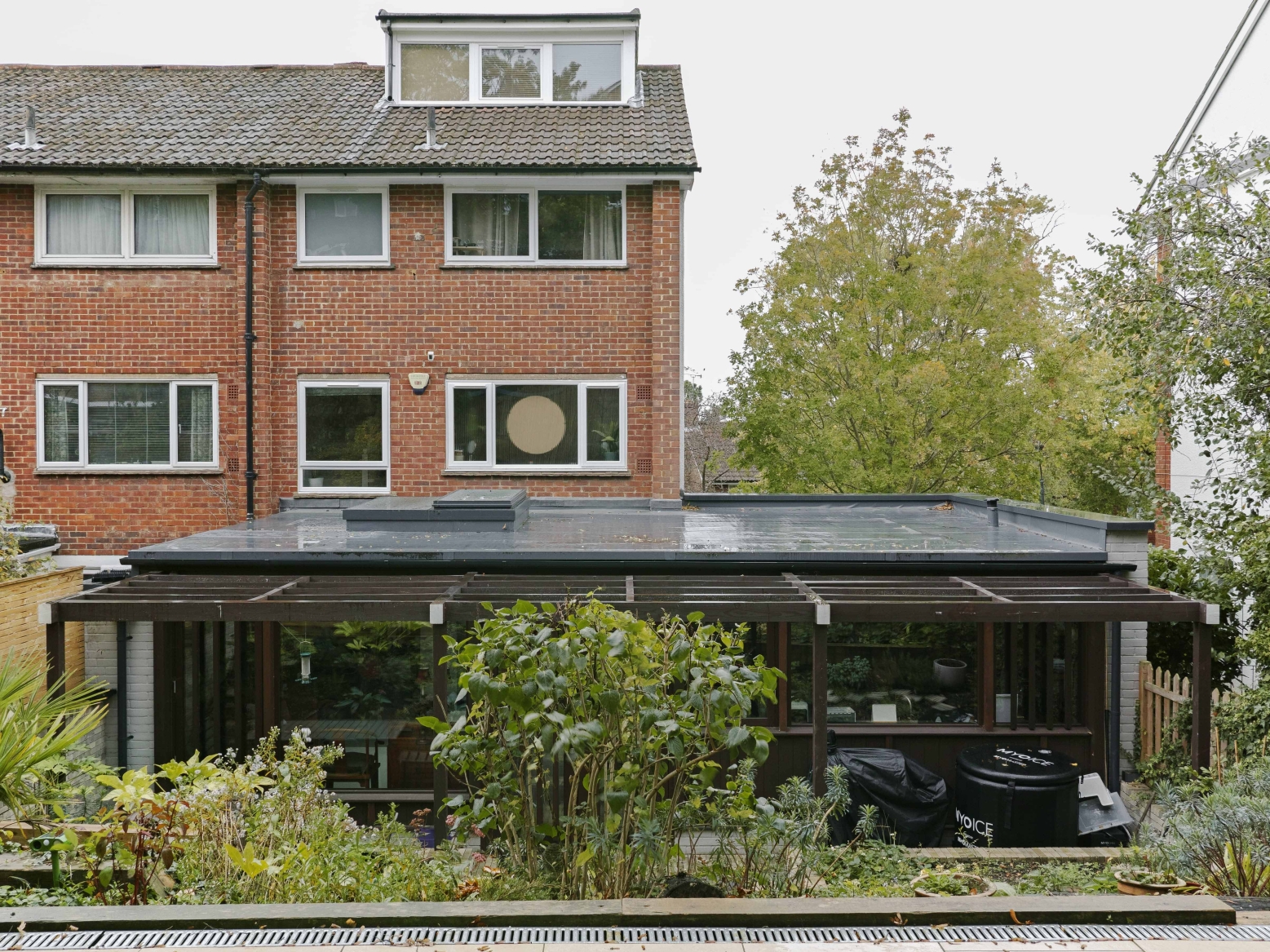
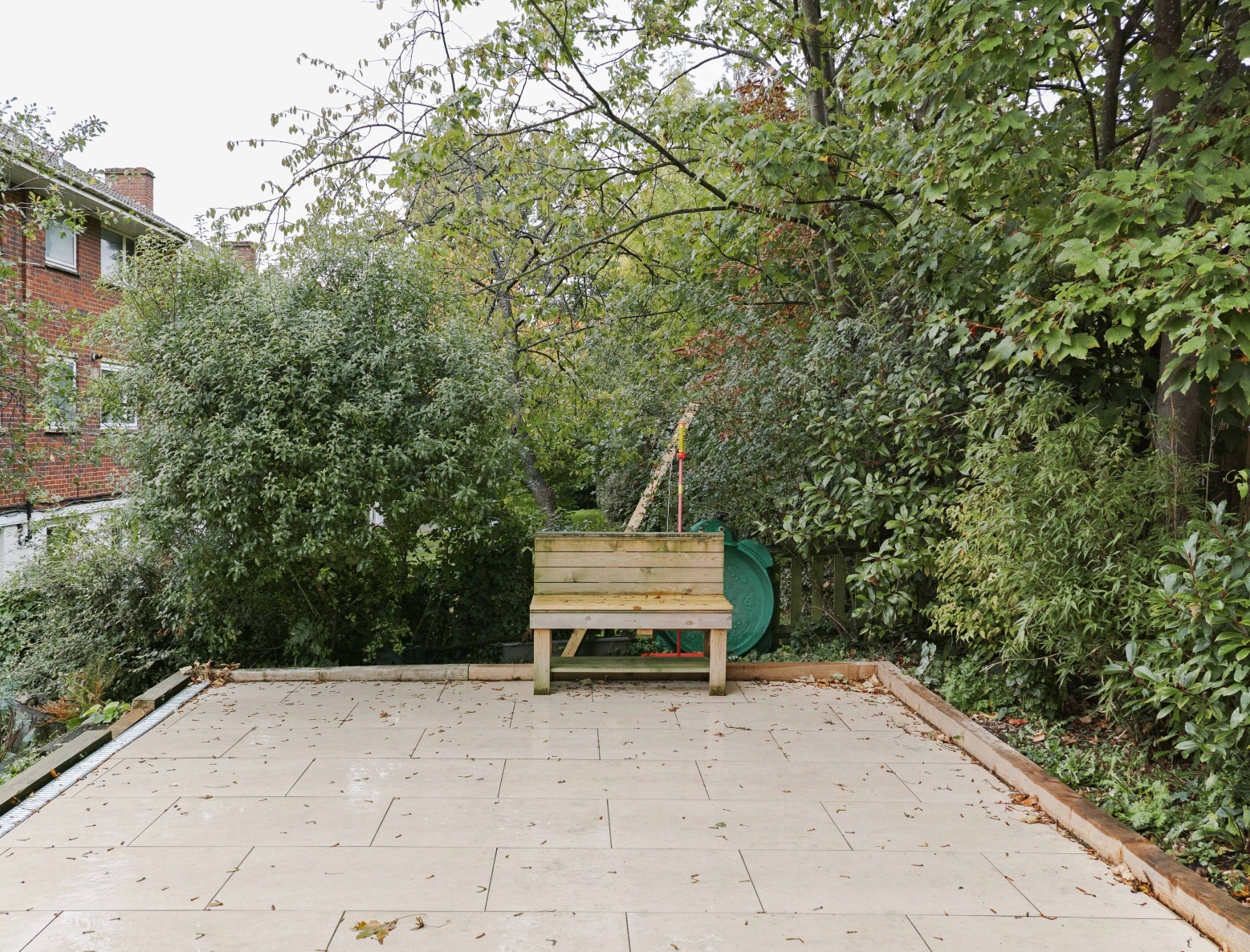
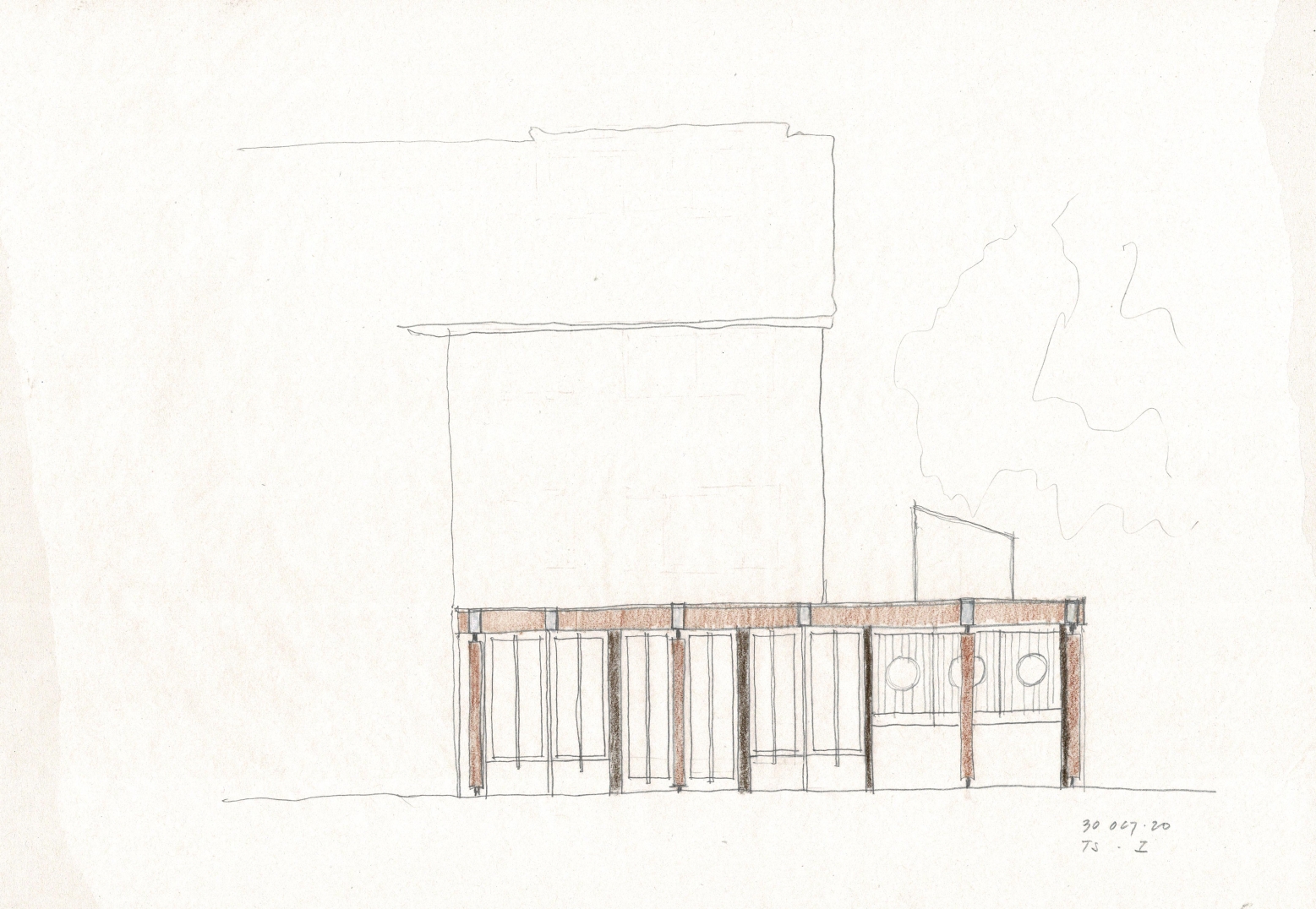
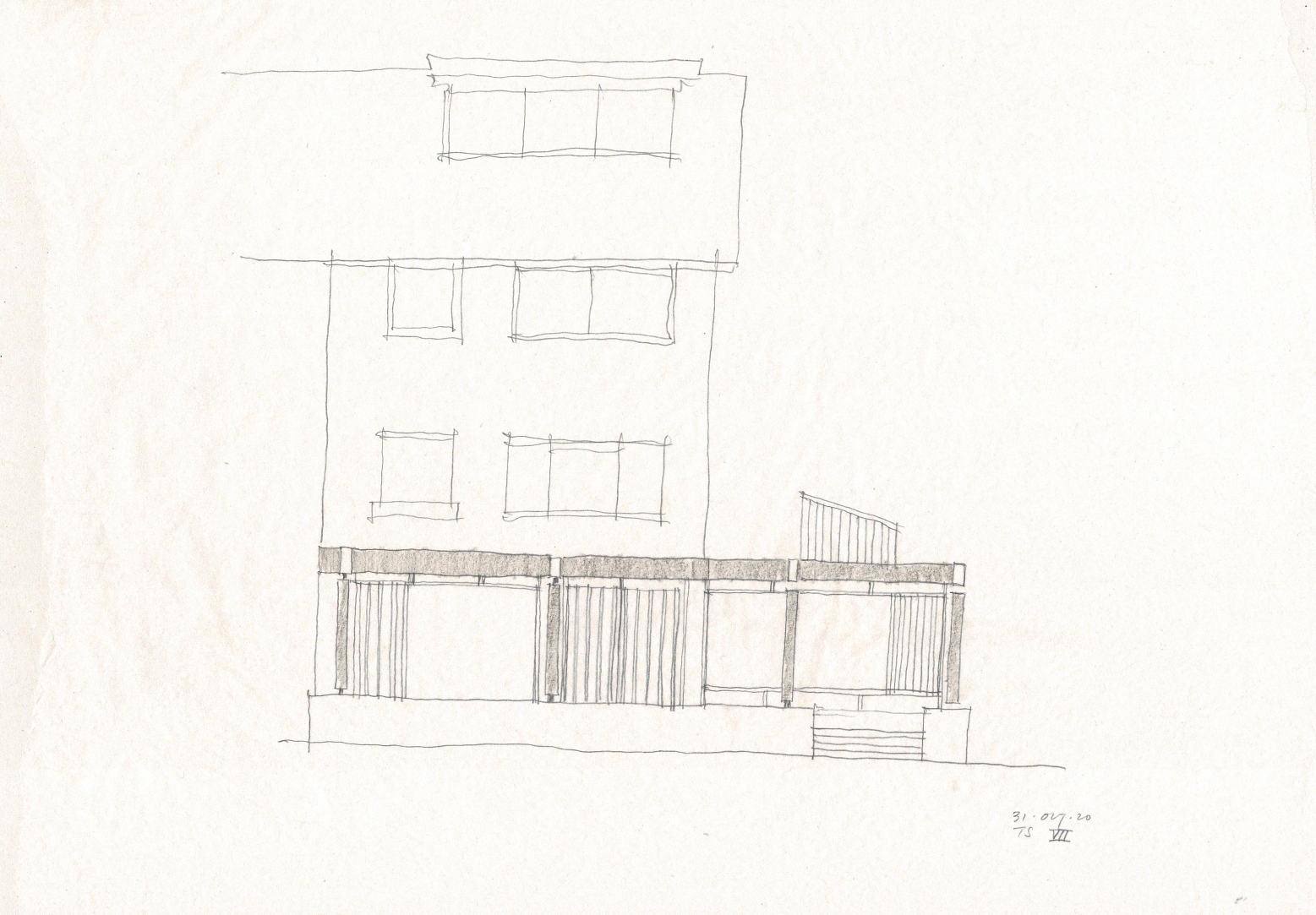
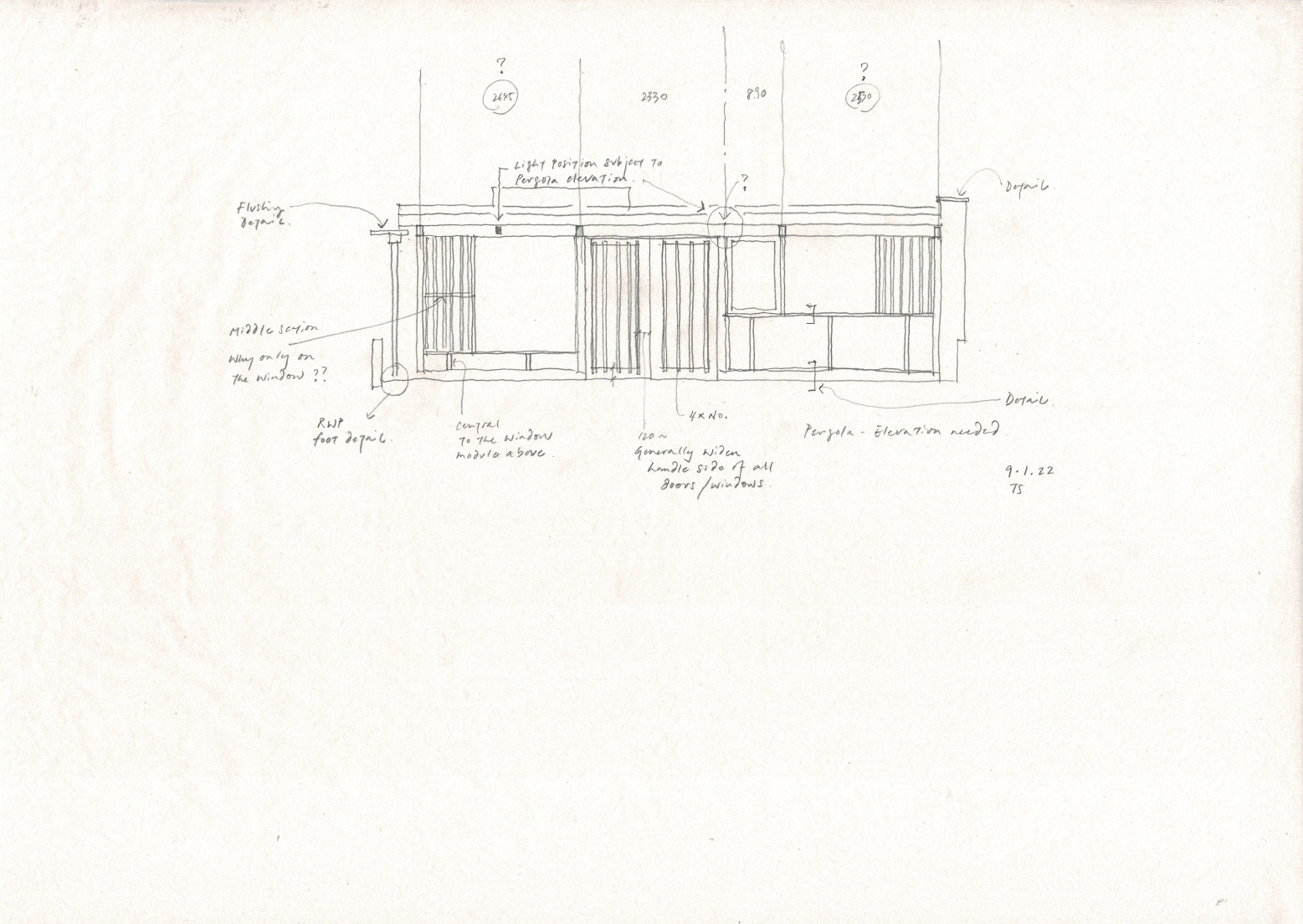
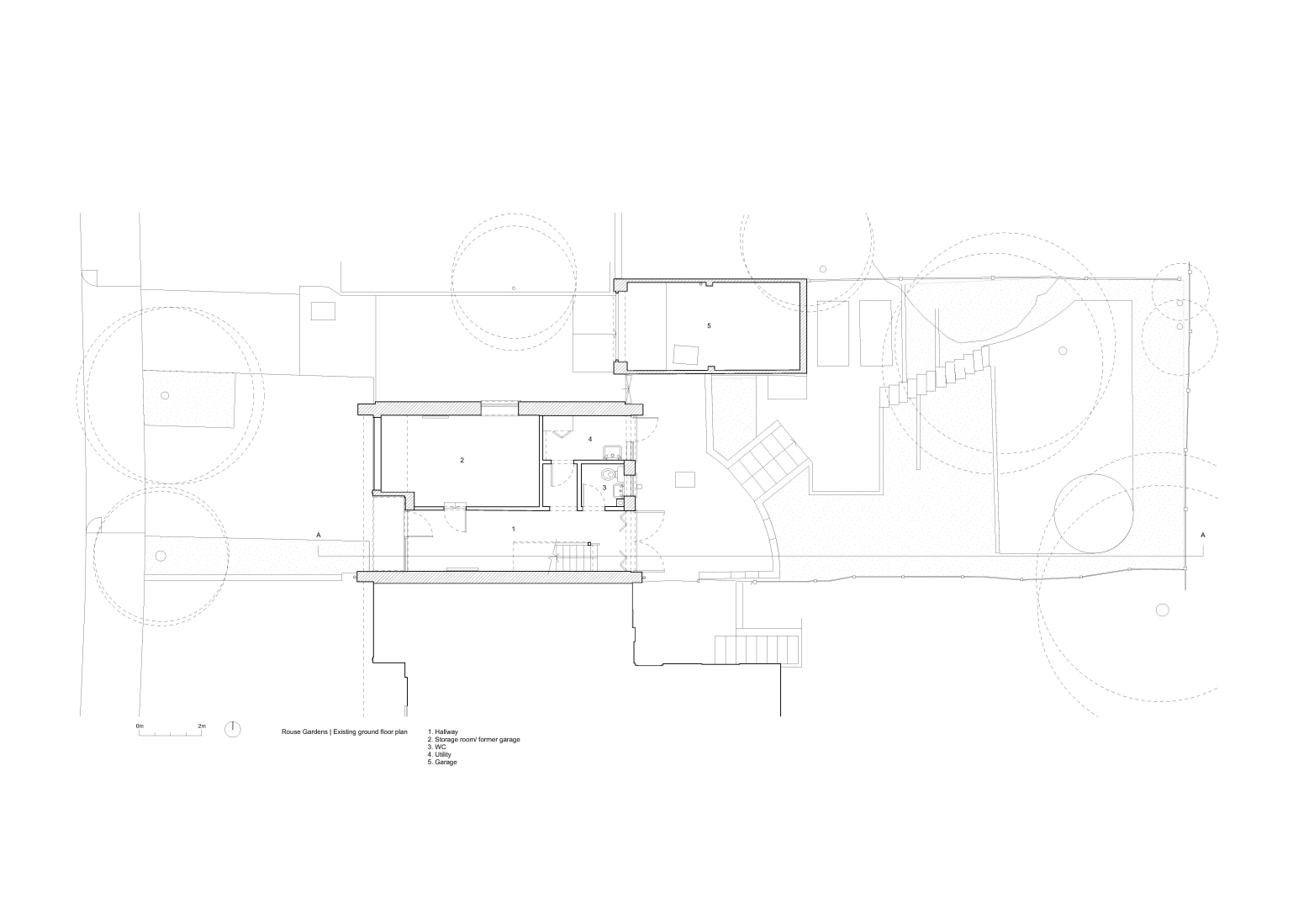
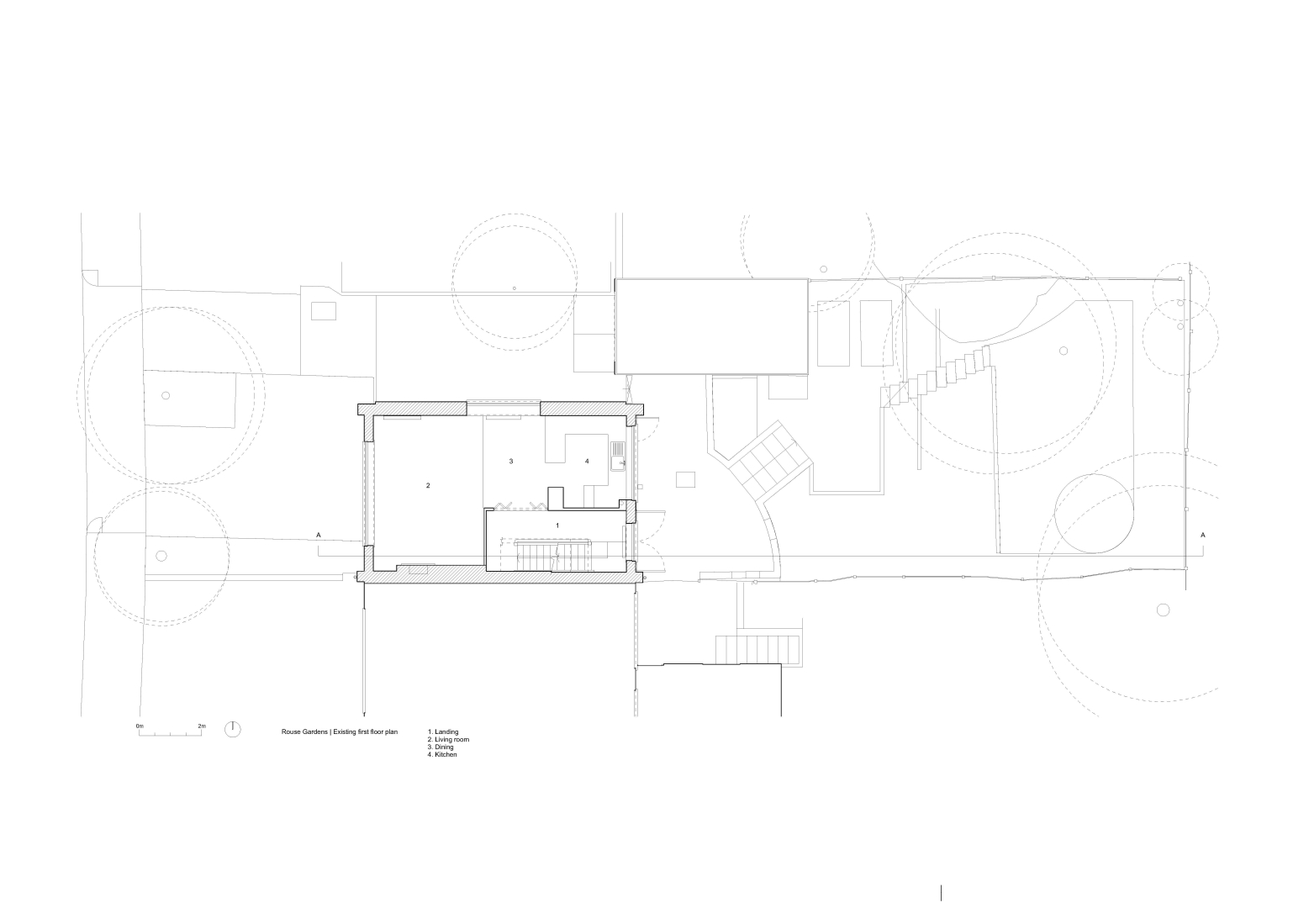
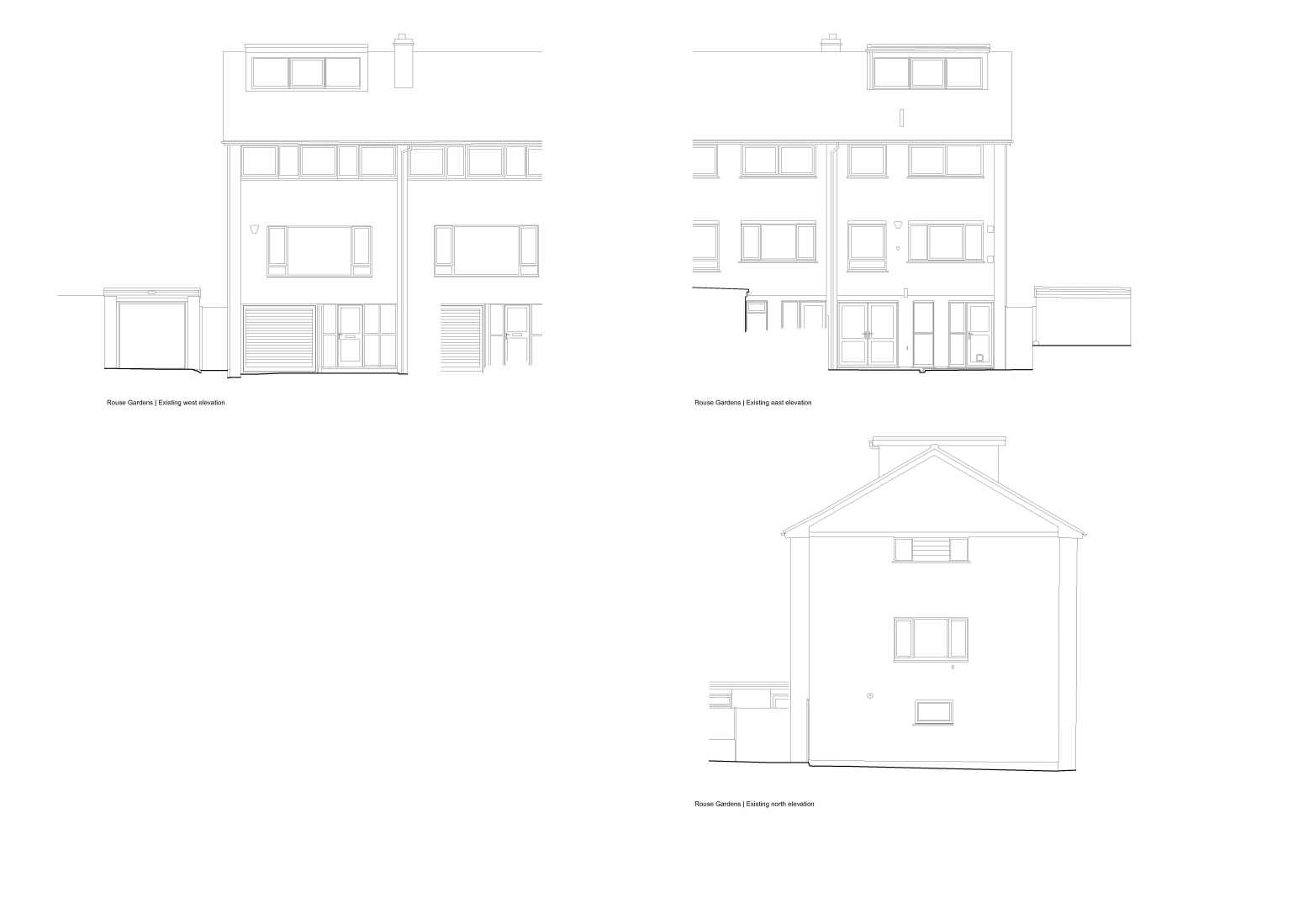
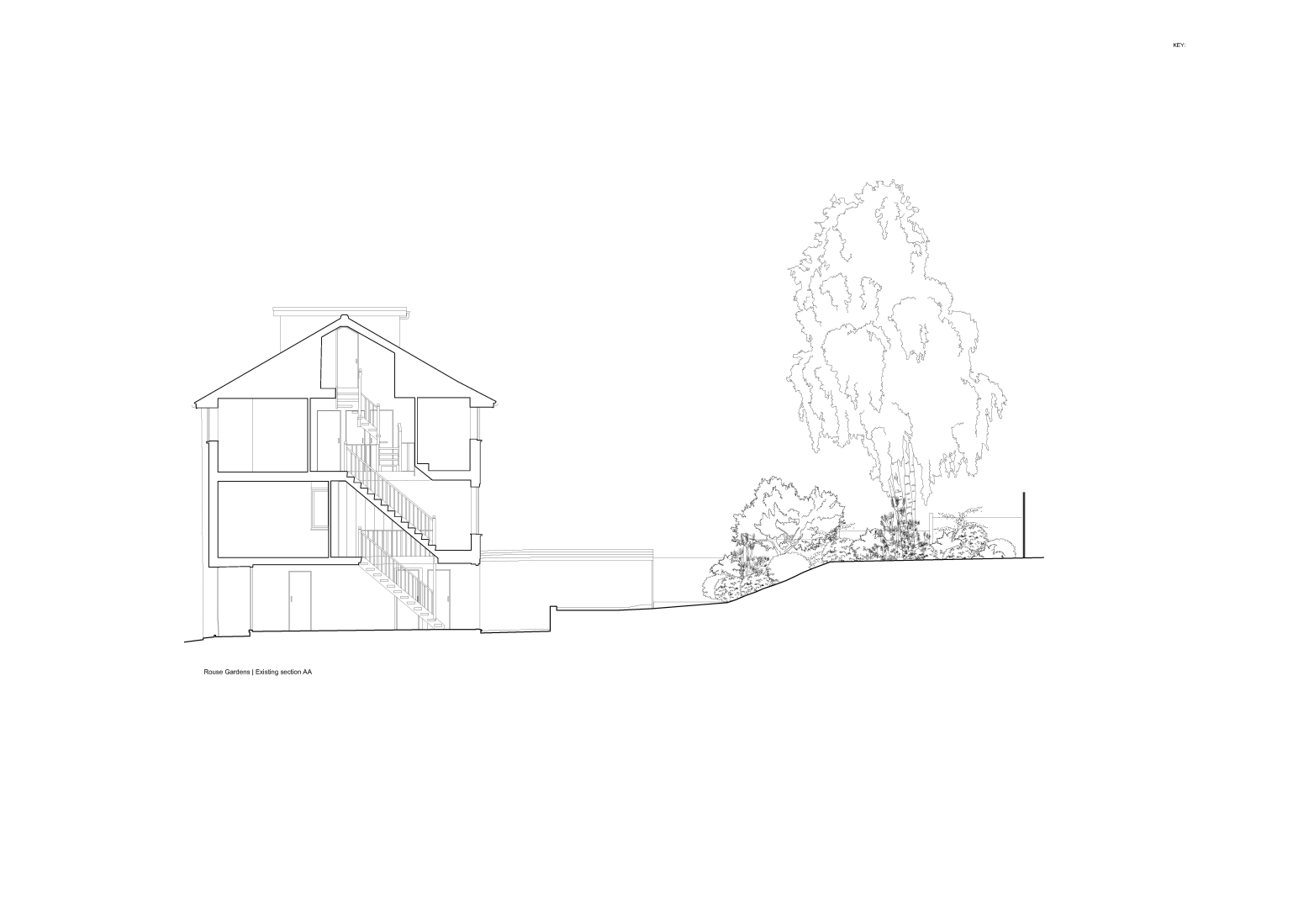
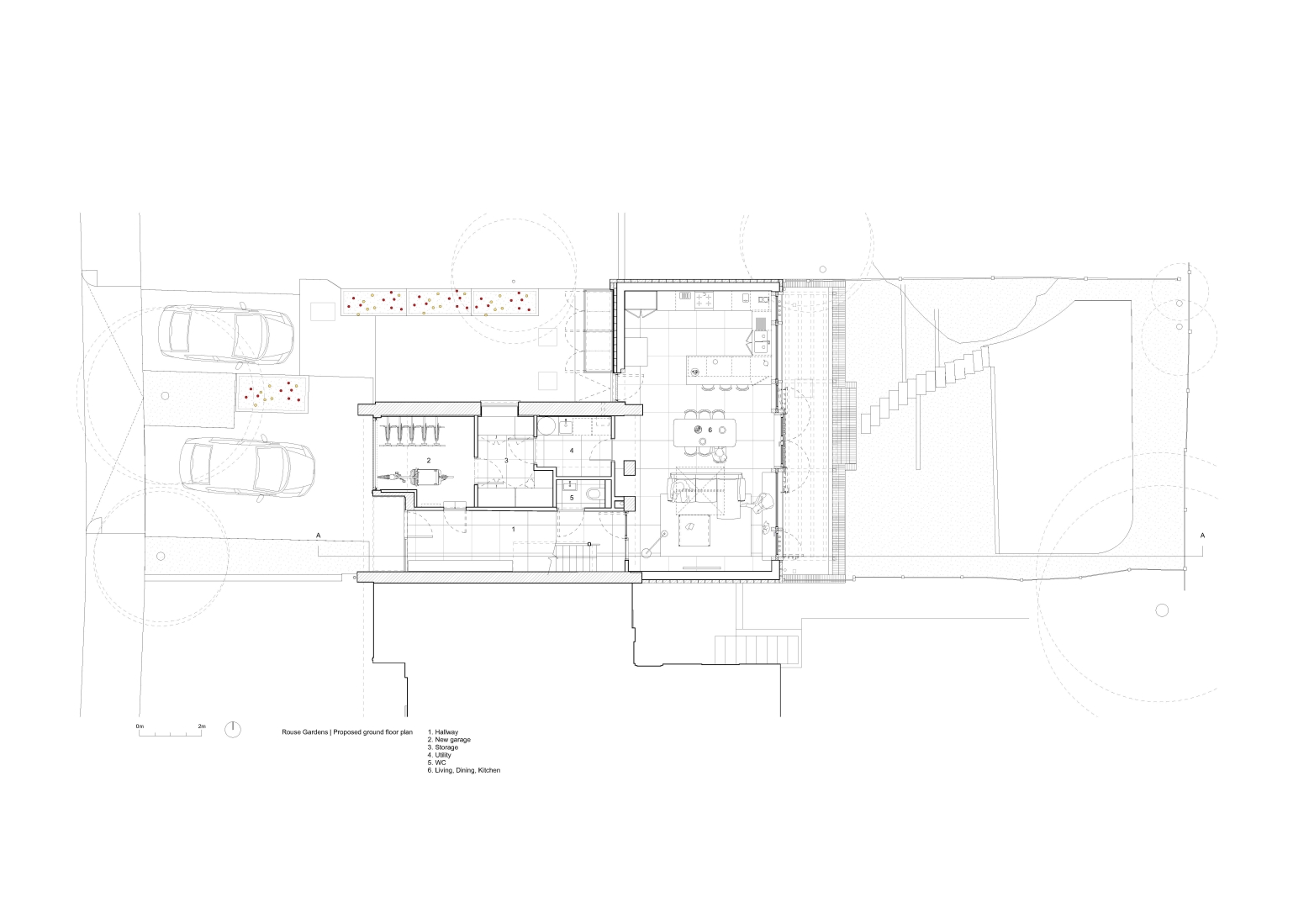
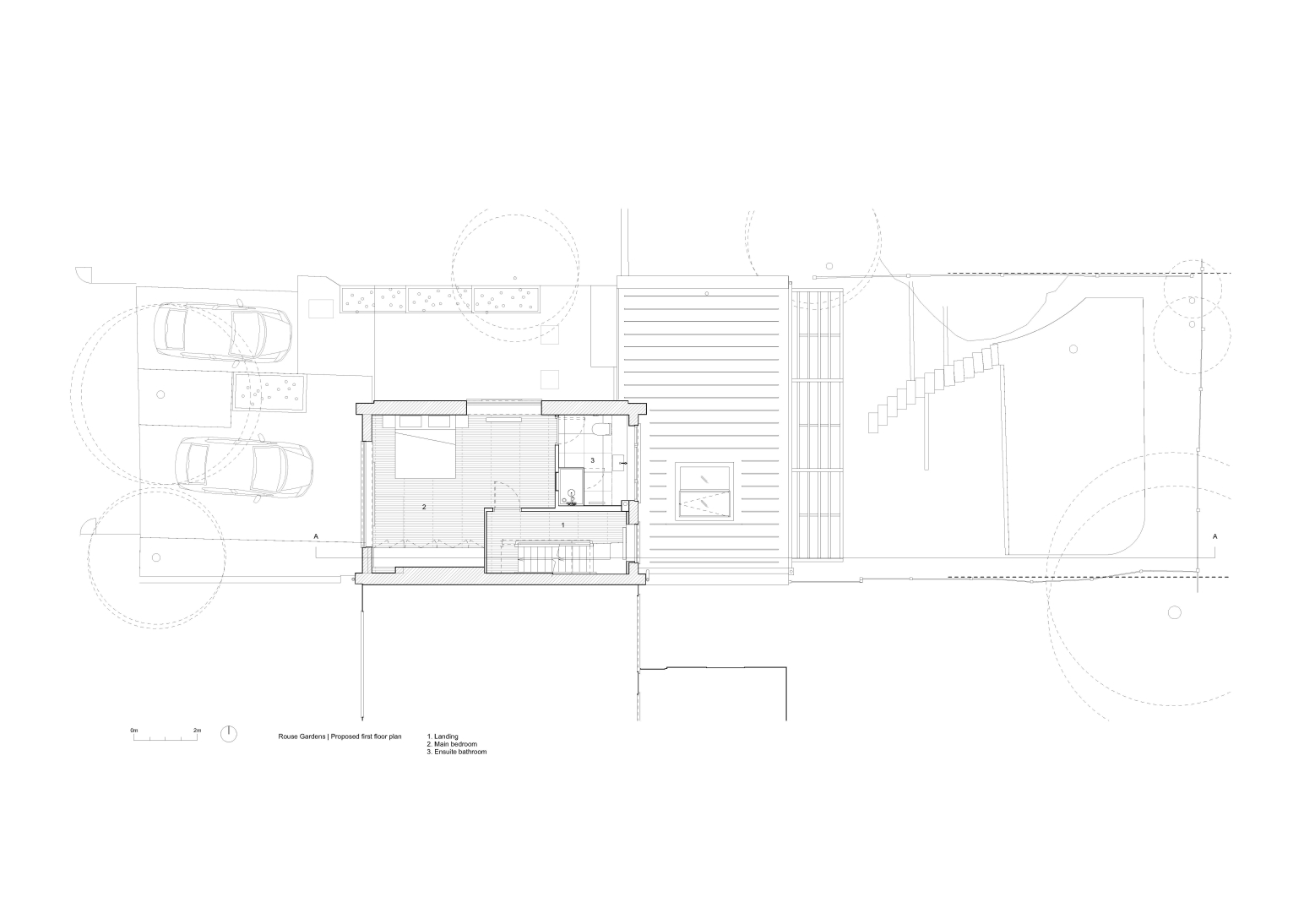
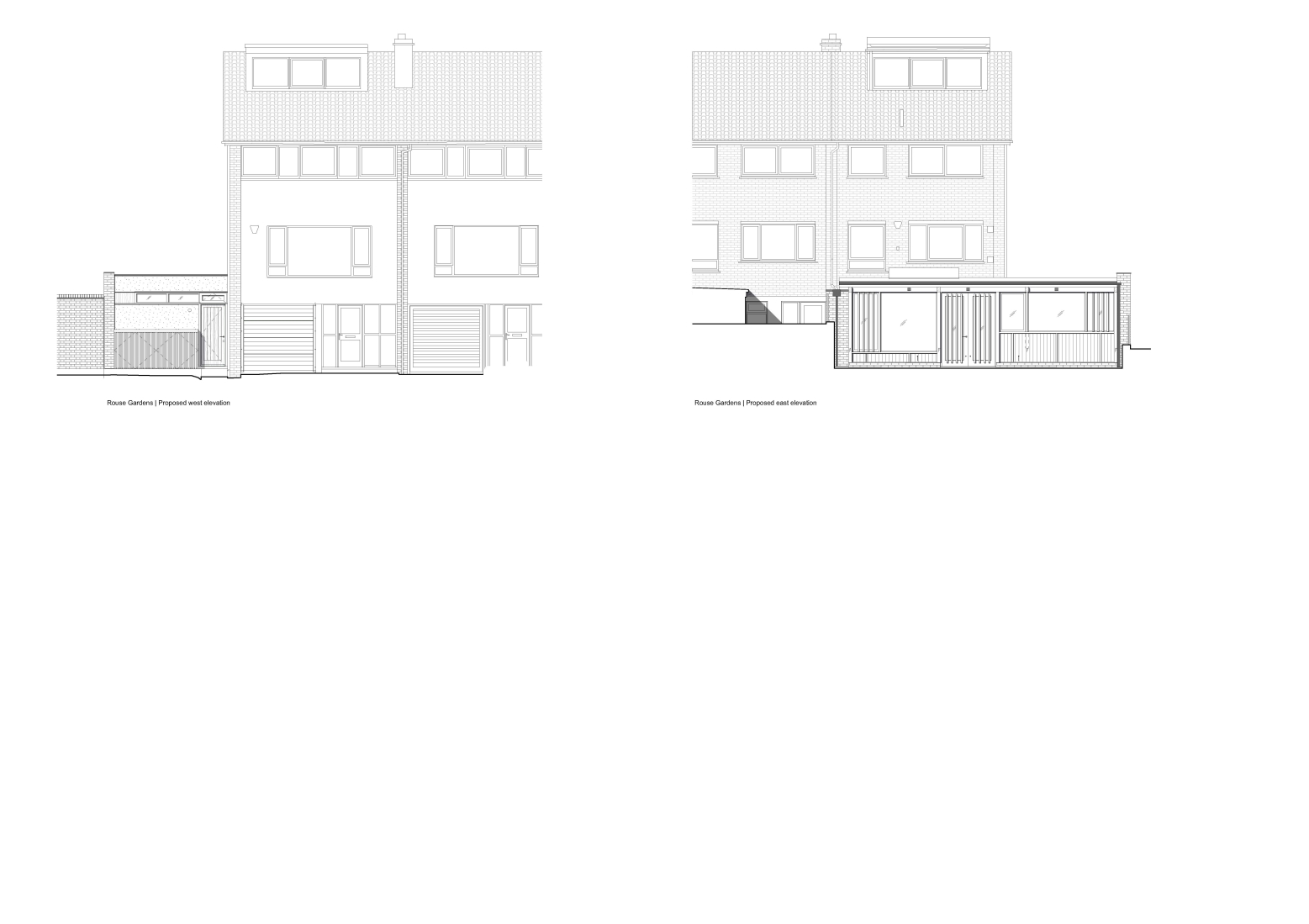
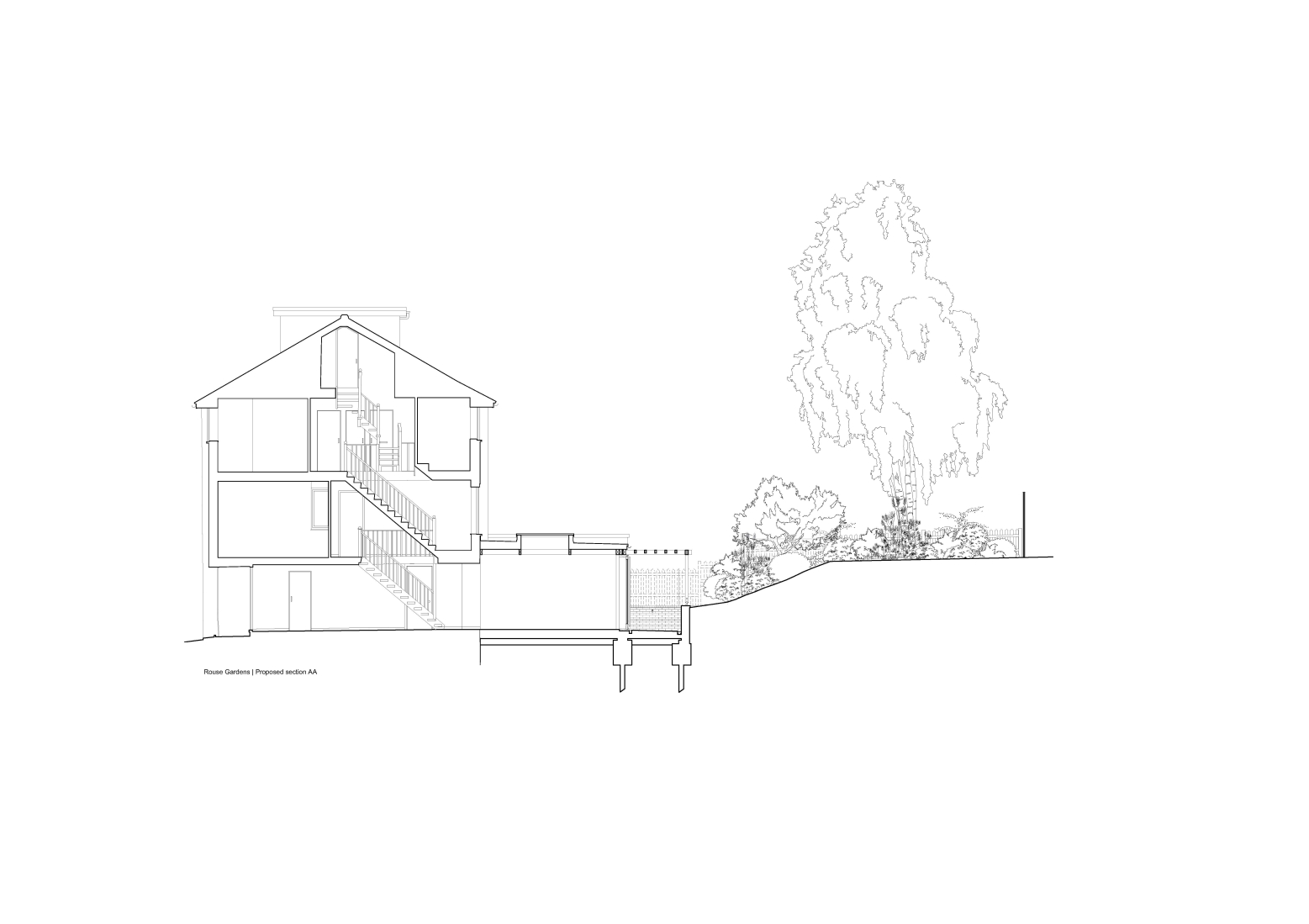
Located at the end of a 1960’s terrace in the Dulwich Estate, Rouse Gardens is a lightweight remodelling and extension of a 4 storey dwelling for a young family. Keen to complement the post war architecture of the house, which forms part of the Rouse Gardens development designed by architects Austin Vernon & Partners, the clients wanted to increase its communal space inconveniently located at first floor, and rethink its poor connection with the generous stepped garden at the rear of the building.
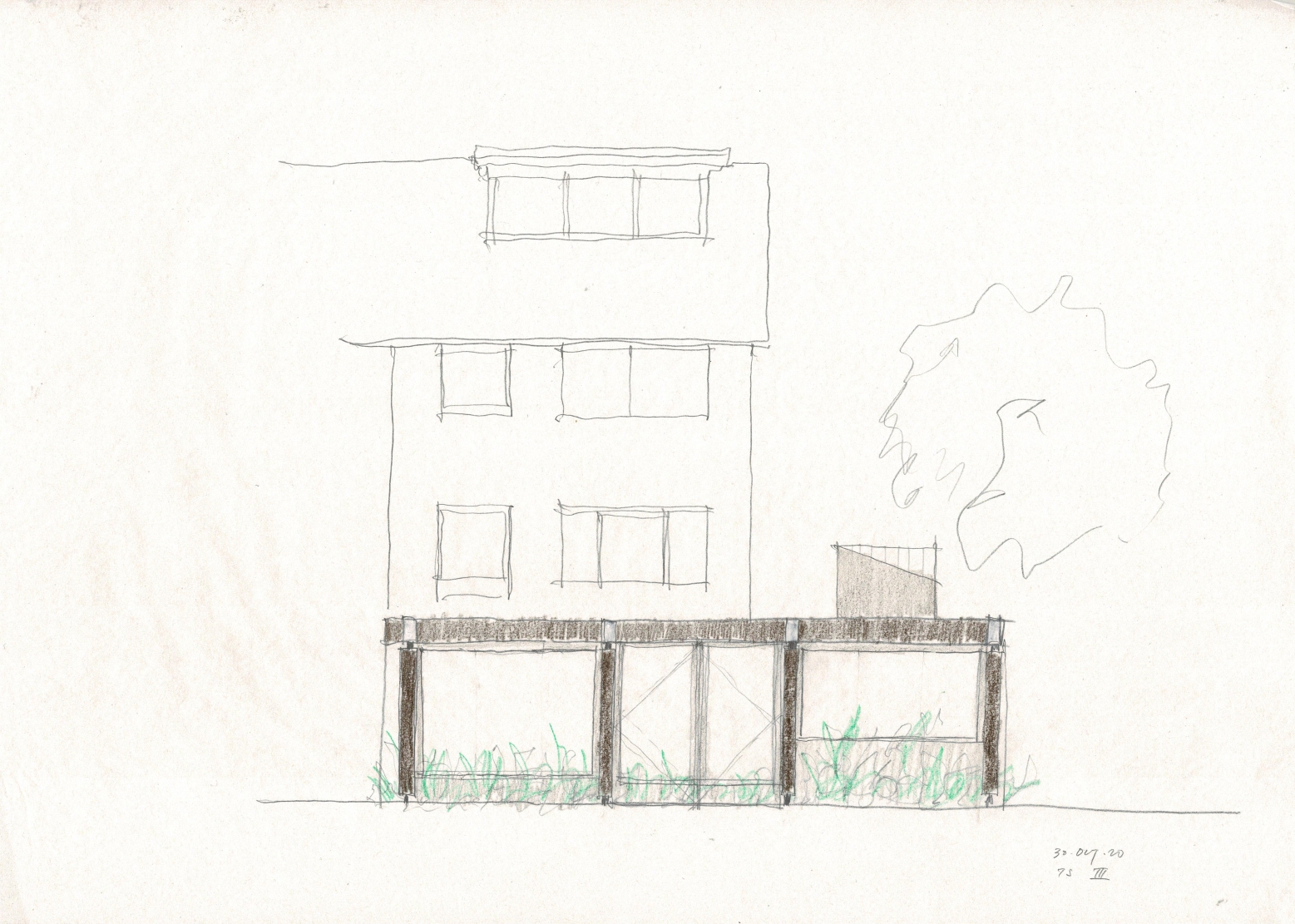
Benefiting from a north, east and west orientation, the refurbishment focuses on natural light, the rhythm of simple architectural elements including columns and beams and economical, readily available natural materials to fulfil the client’s ambition of a new family space in constant connection with the garden, capable of capturing the whimsicality of day-to-day life.
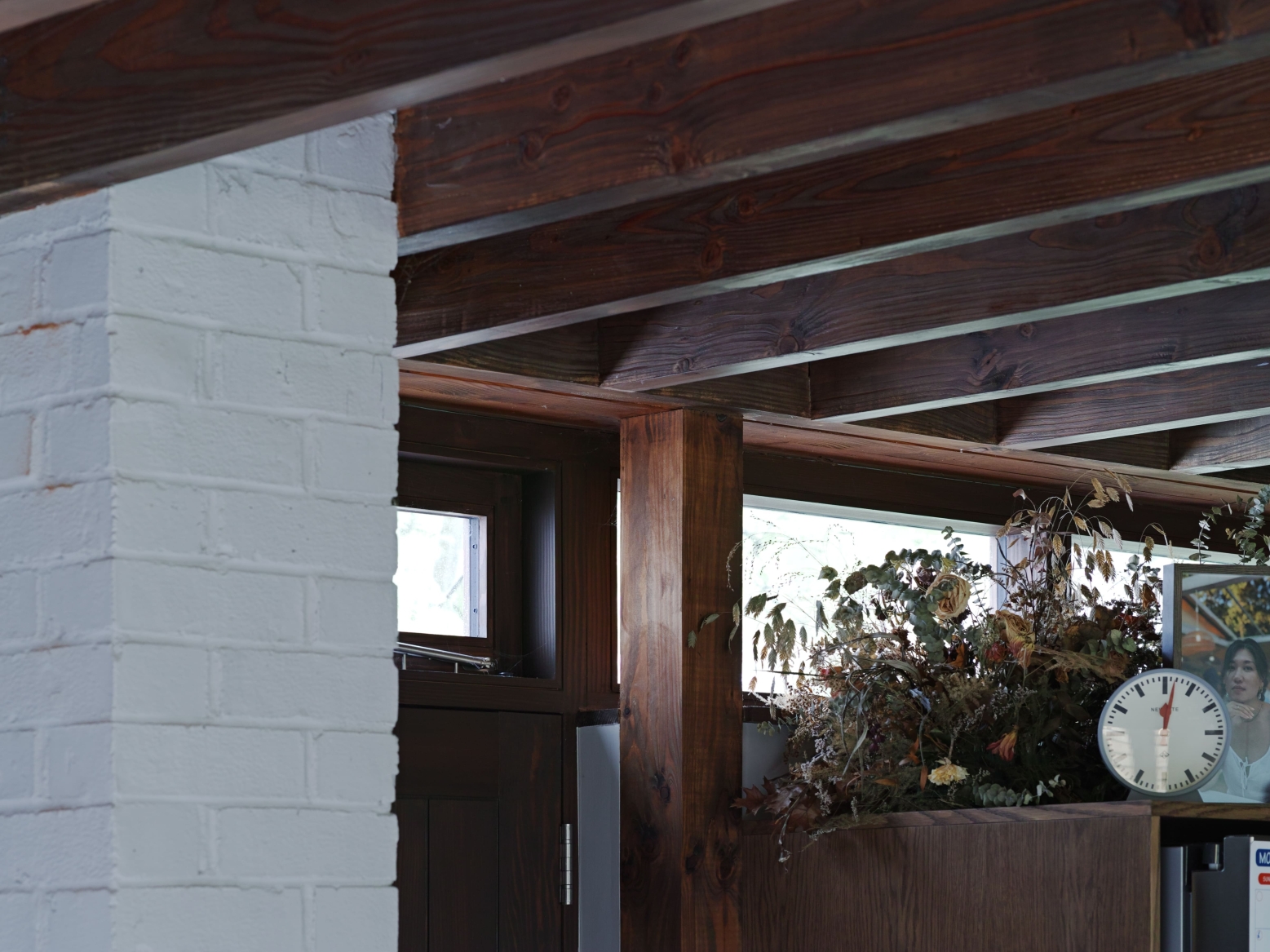
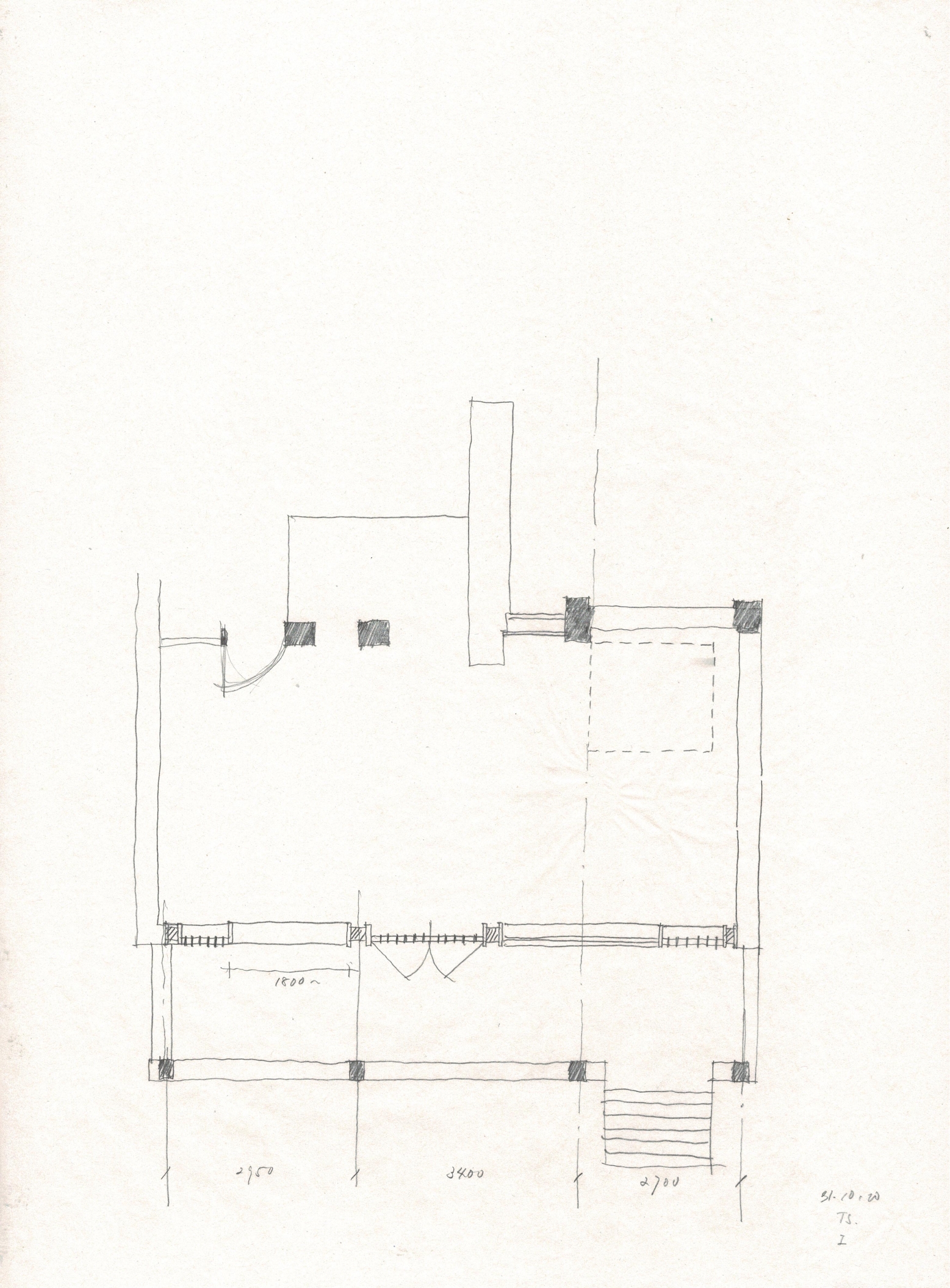
The transformation of the 4 storey house focused on re-organising the ground and first floor spaces. The living spaces, previously located on the first floor above ground floor garage, storage and utility, were reconfigured at ground level through a single storey extension, comprising of kitchen, dining and living area. This large, open plan communal space provides a focal point linked to the now connected, extensive garden and upper private spaces, as well as providing east, west and roof openings capturing natural light and views.
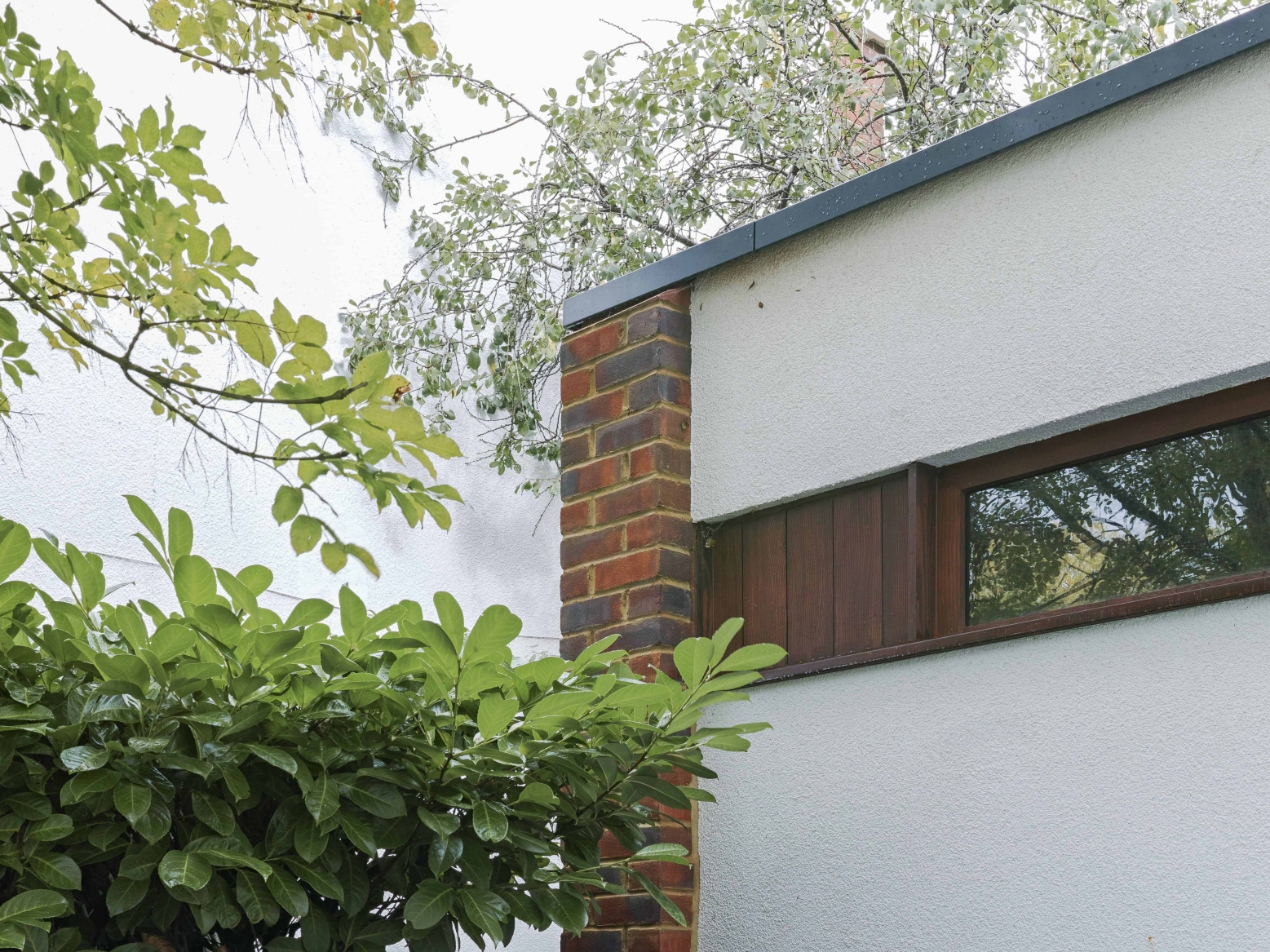
The previous ground floor space was reconfigured to provide much needed utility, storage room and garage space for numerous bikes. Two existing pillars, previously framing a ground floor WC on the rear east elevation, as well as the former external corner pier of the house were retained as markers of the original dwelling footprint, allowing the legibility of the extension volume as a simple juxtaposition. The first floor was reimagined as a generous master bedroom with ensuite bathroom overlooking the rear garden.
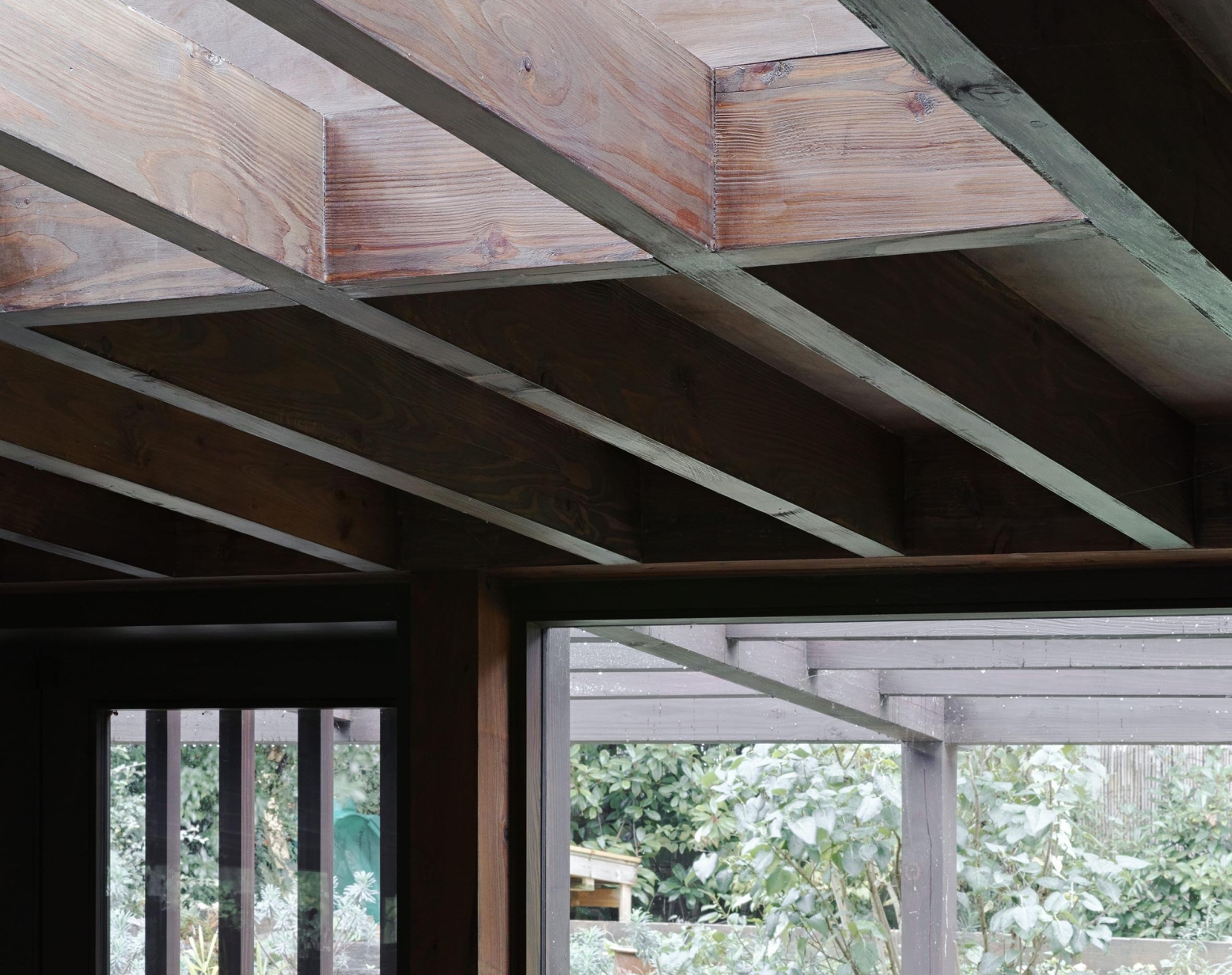
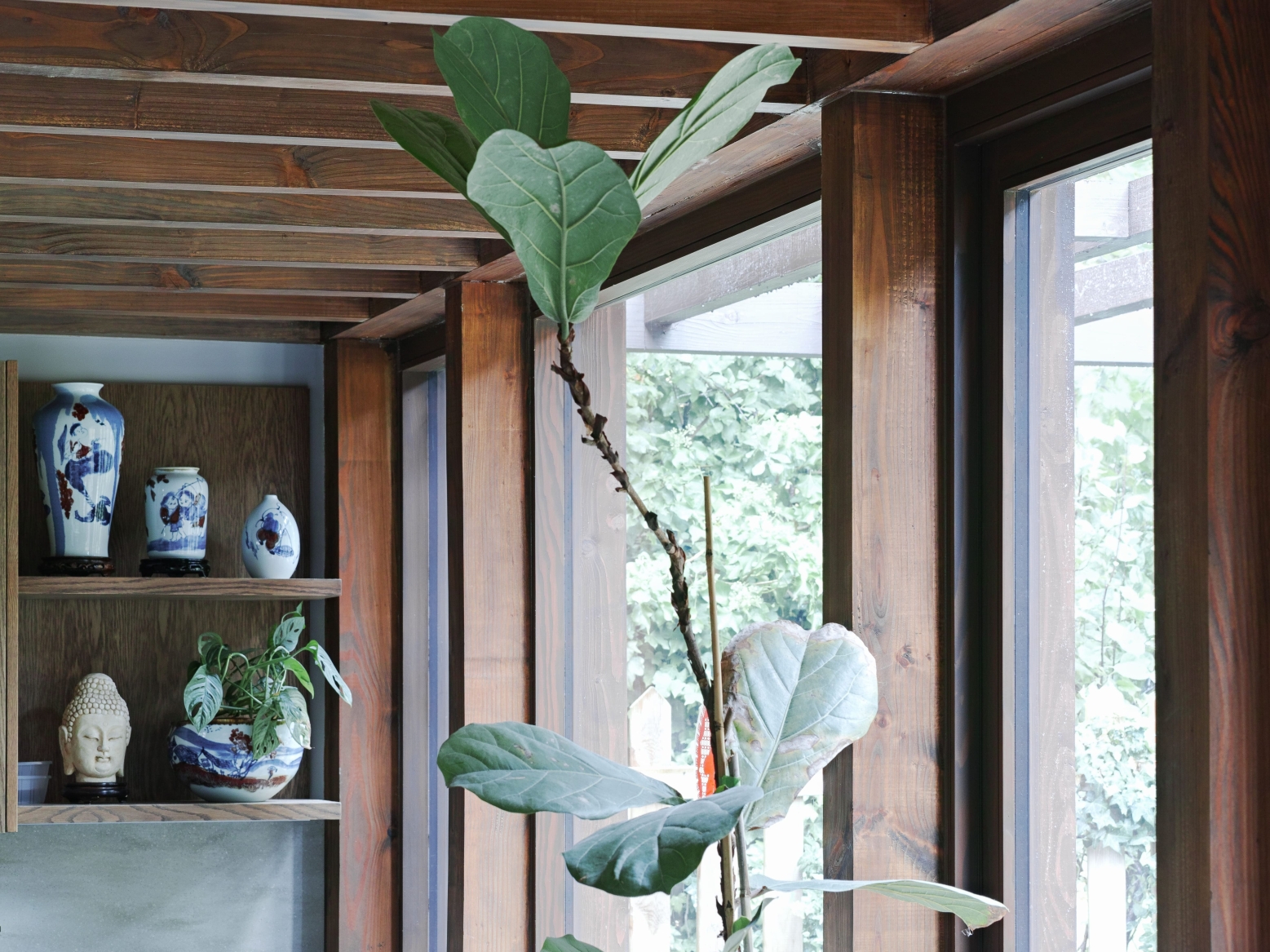
The project refers to the existing 1960’s local architectural language, pursuing similar simple masonry volumes with large windows, completed by lightweight external timber porches and pergolas. The dark tones of the timber echo both British post war developments and traditional Asian buildings, with a nod to some Californian architecture from the early 20th Century such as Rudolf Schindler’s House in West Hollywood. The pared back materials all strive to express their intrinsic qualities, being either exposed, stained or painted whilst retaining their original texture and granularity, conferring a tactile atmosphere but also bringing calm and simplicity to the experience of day-to-day living.
t-sa Team: Takero Shimazaki, Cécile David, Ricky Kwok
Photographs Anton Gorlenko, Luke Walker